
Is Sunscreen Necessary Indoors? A Dermatologist Explains When You Really Need SPF
July 7, 2026
Best Hair Growth Treatments Recommended by Dermatologists: What Actually Works?
July 17, 2026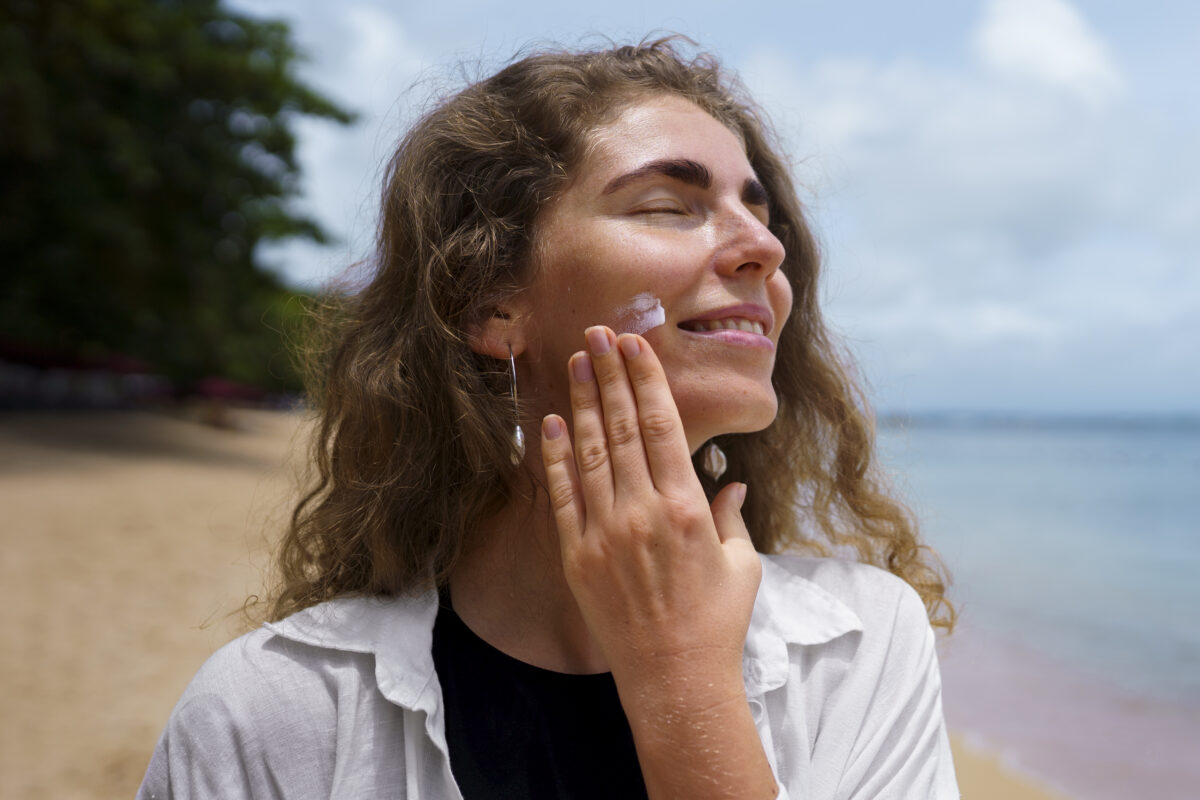
Quick Answer
Sunscreen is one of the most effective ways to protect your skin from sunburn, premature aging, hyperpigmentation, and skin cancer. However, many people unknowingly reduce its effectiveness by making simple application mistakes. Common errors include applying too little sunscreen, skipping reapplication, missing easy-to-forget areas like the ears and neck, and relying on makeup with SPF alone. Using a broad-spectrum sunscreen with SPF 30 or higher and applying it correctly every day offers the best protection.
Introduction
You bought a good sunscreen. You apply it most mornings. So you’re protected, right?
Not always.
Dermatologists often see patients who wear sunscreen regularly but still develop sunburn, stubborn pigmentation, or early signs of skin aging. In many cases, the problem isn’t the sunscreen it’s how it’s being used.
Ultraviolet (UV) radiation reaches your skin even on cloudy days, while driving, or when sitting near windows. Over time, repeated UV exposure contributes to wrinkles, dark spots, uneven skin tone, and increases the risk of skin cancer.
The good news? Most sunscreen mistakes are easy to fix. By making a few small changes to your daily routine, you can significantly improve your skin’s protection.
Let’s look at the 10 sunscreen mistakes dermatologists want you to avoid.
1. Applying Too Little Sunscreen
This is the most common mistake.
Most people use only a fraction of the amount needed to achieve the SPF printed on the bottle. Applying less sunscreen means you’re getting much lower protection than expected.
For your face and neck, dermatologists commonly recommend using approximately two finger lengths of sunscreen (using your index and middle fingers) as a practical guide.
For the body, adults generally need about one ounce (roughly enough to fill a shot glass) to cover exposed skin.
Tip: Don’t try to make one small drop cover your entire face. A generous application provides more reliable protection.
2. Skipping Sunscreen on Cloudy Days
“If I can’t see the sun, I don’t need sunscreen.”
Unfortunately, that’s a myth.
According to the American Academy of Dermatology, UV rays can penetrate clouds. Even on overcast days, your skin may still receive significant UV exposure.
Cloudy weather may feel cooler, but your skin is still vulnerable to long-term sun damage.
Dermatologist’s advice: Make sunscreen part of your morning routine regardless of the weather.
3. Forgetting to Reapply
Applying sunscreen once at 8 AM doesn’t provide all-day protection.
Sweating, touching your face, swimming, and normal daily activities gradually remove sunscreen from the skin.
The U.S. Food and Drug Administration (FDA) recommends reapplying sunscreen at least every two hours when outdoors and more often after swimming or heavy sweating.
If you’re mostly indoors away from windows, one morning application may be enough. However, if you’re outdoors for extended periods, regular reapplication is essential.
4. Missing Easy-to-Forget Areas
Even people who apply sunscreen carefully often miss certain spots.
The most commonly forgotten areas include:
- Ears
- Neck
- Eyelids
- Hairline
- Lips
- Hands
- Tops of the feet
- Back of the neck
These areas receive plenty of sun exposure and are frequent sites for sun damage and skin cancers.
Take an extra few seconds to cover them every day.
5. Believing Makeup with SPF Is Enough
Many foundations, BB creams, and tinted moisturizers contain SPF.
That’s helpful but usually not sufficient.
Most people don’t apply enough makeup to achieve the SPF level listed on the packaging.
Dermatologists generally recommend using a dedicated broad-spectrum sunscreen underneath makeup. Think of SPF in cosmetics as a bonus layer rather than your primary defense.
6. Choosing Sunscreen Based Only on SPF
Higher SPF isn’t always better if other important features are missing.
Instead of focusing only on SPF numbers, look for:
- Broad-spectrum protection
- SPF 30 or higher
- Water resistance when needed
- A formula suitable for your skin type
Broad-spectrum sunscreen protects against both UVA and UVB rays. UVA contributes to premature aging and pigmentation, while UVB is the primary cause of sunburn.
Both types of UV radiation can damage the skin.
7. Skipping Sunscreen Indoors
Many people believe sunscreen is only necessary outside.
However, UVA rays can pass through ordinary window glass.
If you:
- Work near a window
- Spend hours driving
- Sit in bright natural light
- Have melasma or hyperpigmentation
Daily sunscreen remains beneficial.
People undergoing treatments such as laser procedures, chemical peels, or using retinoids should be especially careful about sun protection.
8. Not Wearing Sunscreen During Winter
Cool weather doesn’t stop UV radiation.
Snow can even reflect UV rays, increasing exposure.
Whether it’s summer, monsoon, or winter, your skin still benefits from daily protection.
Healthy skin habits don’t have a seasonal calendar.
9. Using Expired Sunscreen
Yes, sunscreen expires.
Over time, active ingredients become less stable, reducing their ability to protect your skin.
Before using sunscreen:
- Check the expiry date.
- Discard products with changes in smell, color, or texture.
- Replace bottles stored in excessive heat, such as inside a parked car.
Fresh sunscreen offers more reliable protection.
10. Thinking Sunscreen Is Your Only Sun Protection
Sunscreen is important, but it works best as part of a complete sun safety routine.
Dermatologists also recommend:
- Wearing wide-brimmed hats
- Using UV-protective sunglasses
- Seeking shade during peak sunlight hours
- Wearing protective clothing when outdoors
- Avoiding unnecessary sun exposure between late morning and mid-afternoon when UV levels are often strongest
Think of sunscreen as one layer of protection, not the entire strategy.
How to Apply Sunscreen Correctly
Getting the application right makes a significant difference.
Follow these simple steps:
- Choose a broad-spectrum sunscreen with SPF 30 or higher.
- Apply it 15–30 minutes before going outdoors (follow the product’s directions).
- Use enough to cover all exposed skin.
- Don’t forget your ears, neck, hands, and lips.
- Reapply every two hours when outdoors or after swimming and heavy sweating.
- Wear sunscreen every day, not just on beach vacations.
Consistency matters more than perfection.
How to Choose the Right Sunscreen
Every skin type has different needs.
Oily or Acne-Prone Skin
Choose lightweight, oil-free, non-comedogenic formulas.
Dry Skin
Look for moisturizing ingredients such as glycerin or hyaluronic acid.
Sensitive Skin
Mineral sunscreens containing zinc oxide or titanium dioxide are often well tolerated.
Pigmentation or Melasma
A dermatologist may recommend tinted sunscreens containing iron oxides, which can help protect against visible light as well as UV radiation.
If you’re unsure, consult a dermatologist who can recommend a sunscreen based on your skin type, lifestyle, and medical history.
Frequently Asked Questions
What SPF do dermatologists recommend?
Most dermatologists recommend a broad-spectrum sunscreen with SPF 30 or higher for everyday use.
Do I need sunscreen every day?
Yes. Daily sunscreen helps protect your skin from cumulative UV damage, even on cloudy days or during short outdoor activities.
Can sunscreen prevent skin cancer?
Regular sunscreen use helps reduce UV-related skin damage and lowers the risk of certain skin cancers. It should be combined with other sun-protective measures for the best protection.
Should children wear sunscreen?
Children older than six months should generally use sunscreen along with protective clothing and shade. For infants younger than six months, seek guidance from a healthcare professional and prioritize shade and protective clothing.
Is mineral sunscreen better than chemical sunscreen?
Both types are effective when used correctly. The best sunscreen is the one you will apply consistently every day.
Final Thoughts
Sunscreen isn’t just a summer essential, it’s a daily investment in your skin’s health.
Avoiding these common mistakes can help protect your skin from premature aging, pigmentation, sunburn, and long-term UV damage. The most expensive sunscreen won’t help if it’s applied incorrectly or used inconsistently.
A simple routine choosing a broad-spectrum SPF 30 or higher, applying enough product, reapplying when needed, and combining sunscreen with hats, sunglasses, and shade can make a meaningful difference over time.
If you have persistent pigmentation, melasma, acne scars, sensitive skin, or you’re unsure which sunscreen suits your skin type, consult a qualified dermatologist. Personalized advice ensures you get the right protection while supporting your overall skin health.