
Considering a hair transplant? A successful hair restoration journey involves more than the surgical procedure itself. Pre-transplant assessment, scalp health, realistic expectations and appropriate post-transplant care can all play an important role in the overall treatment journey.
At SkinHealth, dermatologist-led hair transplant support is available for patients in Mira Road and Mumbai, including evaluation before a transplant and follow-up after the procedure. When required, care can be coordinated with an appropriately qualified hair transplant surgeon.
The focus is on understanding your hair-loss pattern, assessing scalp health, discussing treatment options and providing individualized post-transplant guidance.
Hair Transplant Consultation with a Dermatologist in Mira Road
Before considering a hair transplant, it is important to understand why you are losing hair and whether transplantation is appropriate for you.
A dermatologist can assess:
- The pattern and extent of hair loss
- Scalp health and existing scalp conditions
- Possible causes of hair thinning
- Donor and recipient area considerations
- Current or previous hair-loss treatments
- Expectations regarding hair density and coverage
- Whether medical hair-loss treatment may be useful before or after transplantation
A transplant may not be the appropriate option for every type or stage of hair loss. Proper evaluation can help you make a more informed decision.
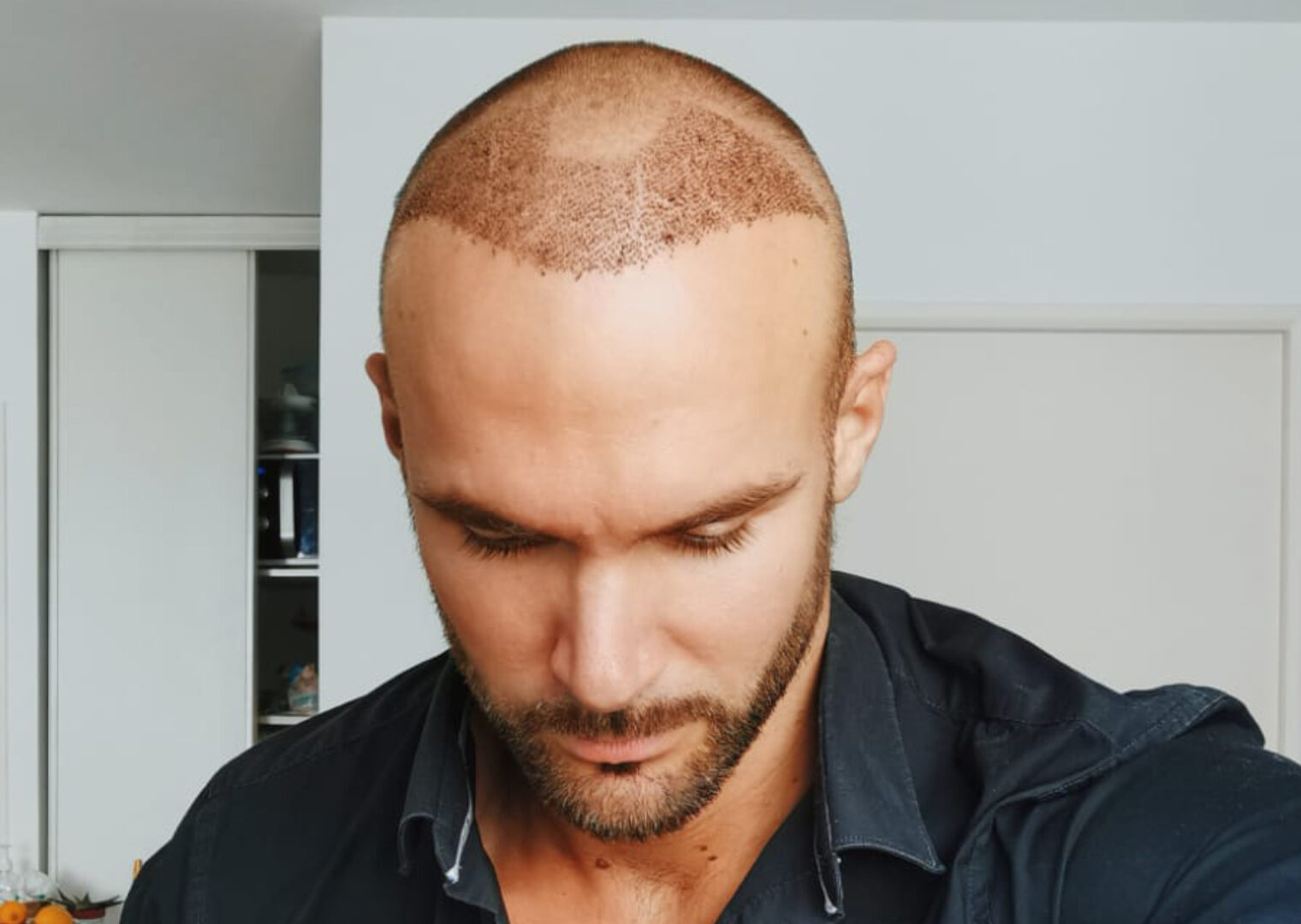
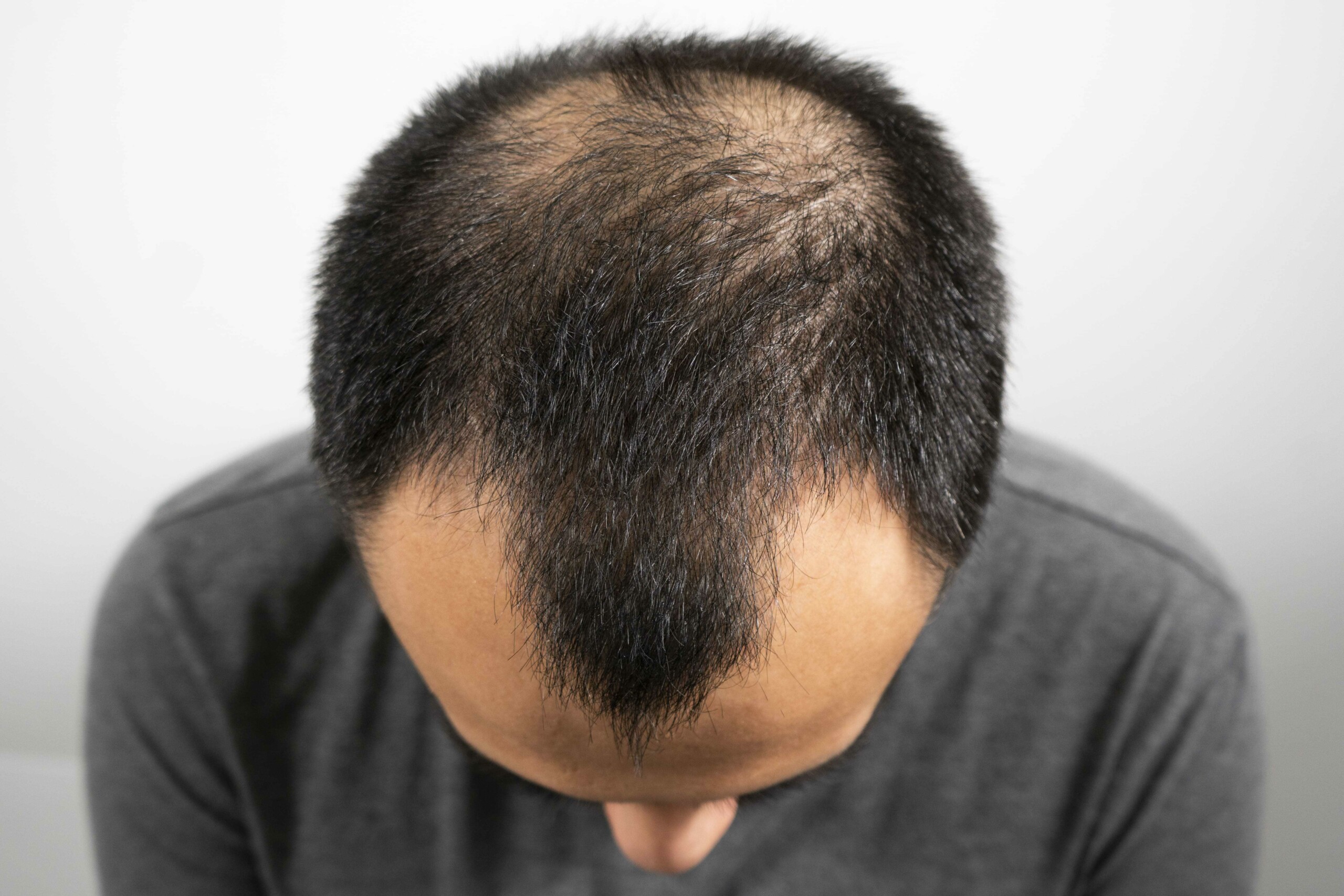
Pre-Hair Transplant Dermatology Assessment
Preparing the scalp before transplantation may involve managing an underlying scalp condition or optimizing the treatment of active hair loss where appropriate.
Depending on your condition, your dermatologist may discuss:
- Hair-loss diagnosis
- Scalp examination
- Management of dandruff or seborrheic dermatitis
- Treatment of scalp inflammation
- Medical treatment for androgenetic alopecia when appropriate
- Existing medications and treatment history
- Expected progression of hair loss
- Referral or coordination with a hair transplant surgeon when required
The goal is to ensure that your hair restoration plan is based on your individual diagnosis rather than the transplant procedure alone.
Post-Hair Transplant Follow-Up
After a hair transplant, appropriate follow-up can help monitor the scalp and identify problems during recovery.
Post-transplant dermatology care may include:
- Monitoring scalp healing
- Assessing redness, swelling or irritation
- Managing scalp conditions that may affect recovery
- Reviewing hair-growth progress
- Advising on scalp and hair care
- Discussing ongoing treatment for pattern hair loss
- Considering adjunctive treatments such as PRP or GFC when clinically appropriate
The suitability of additional treatments depends on the individual patient and the recommendations of the treating medical team.
PRP and GFC After Hair Transplant
Some patients may ask about PRP or GFC after hair transplantation.
These treatments may be considered as adjunctive hair-loss therapies in selected patients. They should not be presented as guaranteed methods for increasing graft survival or ensuring transplant success.
Your dermatologist can assess whether PRP or GFC is appropriate based on your hair-loss pattern, scalp condition and overall treatment plan.
Why Choose SkinHealth for Hair Transplant Support?
- Dermatologist-led assessment before and after transplantation
- Evaluation of the underlying cause of hair loss
- Scalp health assessment
- Individualized hair and scalp treatment plans
- Realistic discussion of transplant expectations
- Post-transplant monitoring and guidance
- Management of associated scalp conditions
- Coordination with hair transplant specialists when required
Benefits of Dermatologist-Led Hair Transplant Support
Appropriate dermatology support may help you:
- Understand the cause and progression of hair loss
- Identify scalp conditions that require treatment
- Prepare for a more informed transplant consultation
- Manage scalp concerns before or after transplantation
- Monitor your scalp during recovery
- Develop an ongoing hair-loss management plan
- Set realistic expectations regarding hair restoration
Hair transplantation does not necessarily stop the progression of underlying hair loss, so long-term medical management may be discussed when appropriate.
Hair Transplant Support vs Hair Transplant Surgery
It is important to understand the difference.
Hair transplant surgery involves the surgical transfer of hair follicles and should be performed by an appropriately qualified hair transplant surgeon.
Hair transplant support involves dermatology assessment, scalp management, medical hair-loss treatment and follow-up before or after transplantation.
At SkinHealth, the focus is on dermatologist-led hair and scalp care and transplant support, with coordination with surgical specialists when required.
Who Is a Candidate for Hair Transplantation?
Suitability depends on several factors, including:
- The type and pattern of hair loss
- Stability of the hair-loss condition
- Availability of suitable donor hair
- Scalp health
- Overall expectations
- Age and progression of hair loss
- Previous hair-loss treatments
A consultation with a dermatologist and, where appropriate, a hair transplant surgeon can help determine whether transplantation is suitable.
Hair Transplant Support in Mira Road, Mumbai
If you are searching for hair transplant support in Mira Road, SkinHealth provides dermatologist-led evaluation and follow-up for patients considering or undergoing hair transplantation.
The approach focuses on diagnosis, scalp health, realistic expectations and individualized hair-loss management before and after the surgical procedure.
Frequently Asked Questions
Book a Hair and Scalp Consultation at SkinHealth
Thinking about a hair transplant but unsure where to start?
Start with a dermatologist-led hair and scalp assessment at SkinHealth by Dr. Safa Patrick in Mira Road to understand your hair-loss condition, scalp health and available treatment options.