
Psoriasis is a chronic inflammatory skin condition that can cause dry, thickened, itchy or scaly patches. It may affect the face, scalp, elbows, knees, hands, feet and nails. Symptoms can flare up periodically and vary from person to person.
At SkinHealth Clinic in Mira Road, Dr. Safa Patrick can assess your skin symptoms and discuss suitable psoriasis management options based on the type, severity and location of the condition. Treatment aims to reduce inflammation, itching and scaling, improve skin comfort and help manage flare-ups.
Psoriasis can affect sensitive areas such as the face and skin folds, where treatment requires particular care. A dermatologist may recommend suitable topical medicines, moisturisers, phototherapy or other prescription treatments depending on your individual needs.
Although psoriasis is usually a long-term condition, appropriate treatment can help many people manage symptoms. There is no single treatment that works for everyone, and ongoing care may be needed.
Why Consult SkinHealth Clinic?
- Individual skin assessment: Evaluation of the affected areas, symptoms and severity.
- Personalized treatment planning: Options selected according to your psoriasis type and medical history.
- Care for sensitive areas: Special consideration for facial, eyelid and skin-fold psoriasis.
- Scalp and nail assessment: Evaluation of associated scalp or nail changes when present.
- Long-term management guidance: Advice on moisturising, triggers, prescribed medicines and follow-up.
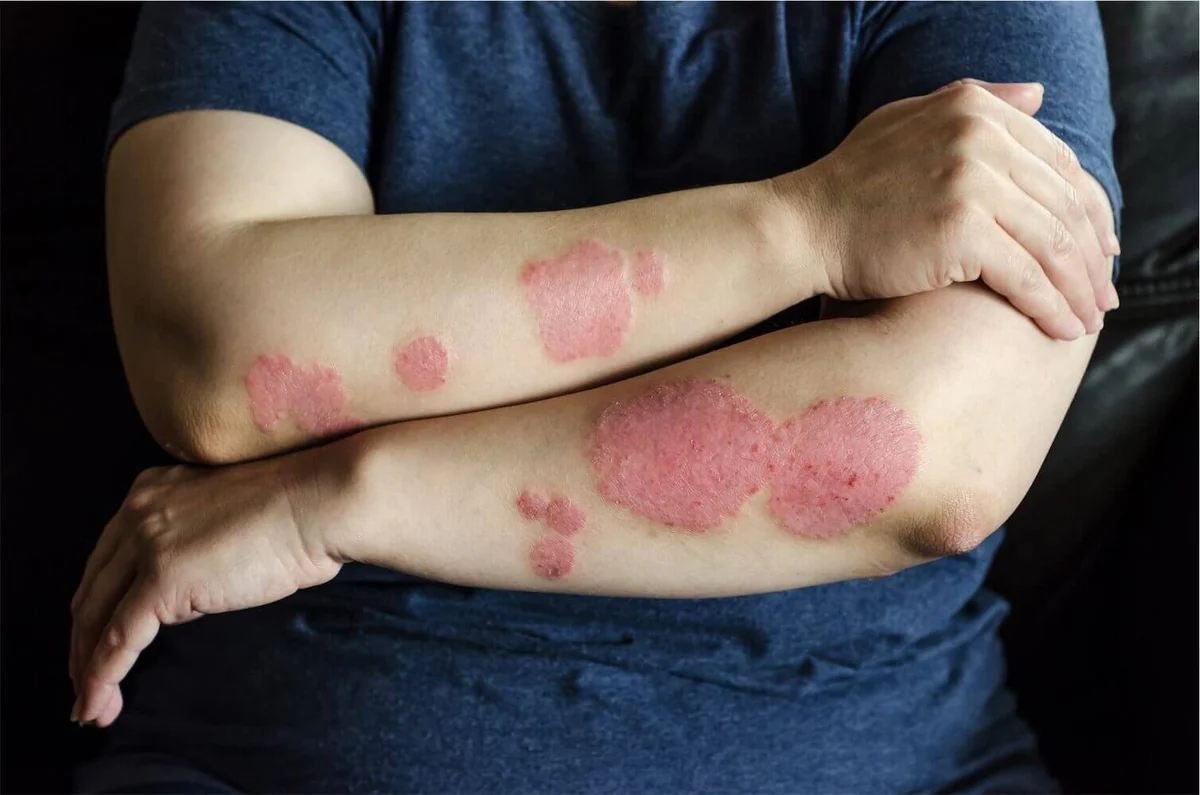
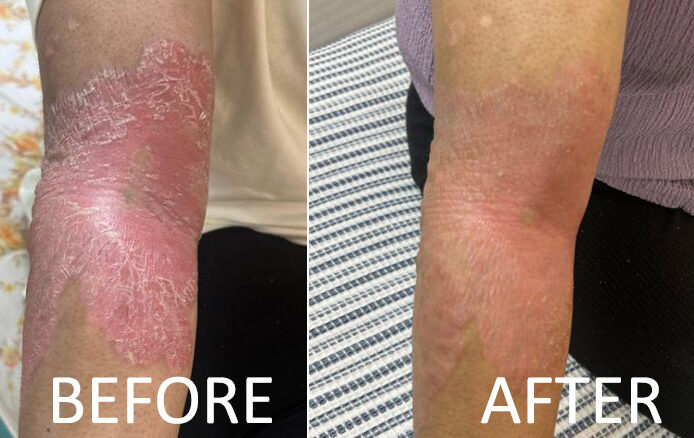
Types of Psoriasis and Affected Areas
Facial psoriasis may cause red, dry or scaly patches on the forehead, eyebrows, around the nose or near the hairline. It can resemble eczema or seborrhoeic dermatitis, so proper diagnosis is important. Strong steroid creams should not be used on the face without medical guidance.
Scalp psoriasis can cause scaling, itching and thickened patches on the scalp or along the hairline. Treatment depends on the severity and may involve prescription scalp preparations or other dermatologist-recommended therapies.
Plaque psoriasis is a common form that causes raised, well-defined patches with scaling. It frequently affects the elbows, knees, trunk and scalp, but can appear elsewhere.
Nail psoriasis may cause pitting, discolouration, thickening or separation of the nail from its nail bed. Fungal nail infection can look similar, so assessment may be needed before treatment.
Psoriasis affecting the palms or soles may cause thickened skin, cracks, discomfort or scaling. Treatment depends on the extent of involvement and how much it affects daily activities.
Psoriasis Causes and Triggers
Psoriasis involves an abnormal immune response that speeds up the production of skin cells. Genetic factors may contribute, and certain triggers can worsen symptoms in some people.
Possible triggers include:
- Stress or emotional strain.
- Some infections.
- Skin injury, cuts or repeated friction.
- Certain medicines.
- Smoking and excessive alcohol consumption.
- Changes in weather or other individual environmental factors.
Triggers vary, and not every flare has an identifiable cause. Psoriasis is not contagious and cannot be spread through ordinary physical contact.
Psoriasis Treatment Options
Treatment is selected according to the affected area, severity, medical history and response to previous treatment.
Topical medicines: Prescription creams, ointments or scalp preparations may help reduce inflammation, itching and scaling. The medicine and strength must suit the affected area.
Moisturisers and barrier care: Regular use of suitable moisturisers can help reduce dryness and support the skin barrier.
Non-steroid topical treatments: Certain medicines may be useful for sensitive areas, such as the face or skin folds, when clinically appropriate.
Phototherapy: Dermatologist-supervised light treatment may be considered for selected patients, depending on the type and extent of psoriasis.
Oral or injectable treatments: Moderate to severe psoriasis may require prescription medicines that act throughout the body. These require medical assessment and appropriate monitoring.
Do not start, stop or change prescribed psoriasis medication without discussing it with your treating clinician. In particular, stopping systemic corticosteroids abruptly can trigger serious psoriasis flares.
Care for Facial Psoriasis
Facial skin is delicate, so treatment should be selected carefully. Your dermatologist may recommend:
- A gentle, non-irritating cleanser.
- A suitable fragrance-free moisturiser.
- Prescription treatment appropriate for facial skin.
- Avoidance of harsh scrubs and irritating skincare products.
- Follow-up if symptoms persist, worsen or recur frequently.
Avoid using strong steroid creams on the face without medical advice, as prolonged or inappropriate use can cause skin thinning and other side effects.
When to Seek Medical Advice
Consider a consultation if you have persistent scaly patches, recurring redness and itching, scalp scaling that does not improve, nail changes or symptoms affecting sleep and daily activities.
Seek prompt medical assessment if your skin becomes extensively red or painful, develops widespread pustules, or is accompanied by fever or feeling unwell. Joint pain, swelling or prolonged morning stiffness should also be discussed with a clinician because psoriasis can be associated with psoriatic arthritis.
Psoriasis Consultation in Mira Road
SkinHealth Clinic in Mira Road provides dermatology consultations for patients seeking assessment and management of psoriasis. Whether symptoms affect your face, scalp, nails or body, an individualized consultation can help determine the most appropriate treatment options.
Contact SkinHealth Clinic to enquire about an appointment with Dr. Safa Patrick.
Phone: +91 79778 64622 / +91 91670 30201
Discuss your symptoms, previous treatments and concerns to help develop a suitable management plan.