
Experiencing pain, redness or swelling around your toenail? If the edge of your nail grows into the surrounding skin, you may have an ingrown toenail, a common condition that can make walking and wearing shoes uncomfortable.
At SkinHealth Clinic in Mira Road, you can enquire about an assessment for ingrown toenails and suitable treatment options. Treatment depends on the severity of the condition, the presence of infection and whether the problem keeps returning.
If you are searching for ingrown toenail treatment in Mira Road or Mumbai, early assessment can help identify the right approach and reduce the risk of complications.
What Is an Ingrown Toenail?
An ingrown toenail, medically known as onychocryptosis, occurs when the side or corner of a nail grows into the surrounding skin. It most commonly affects the big toe.
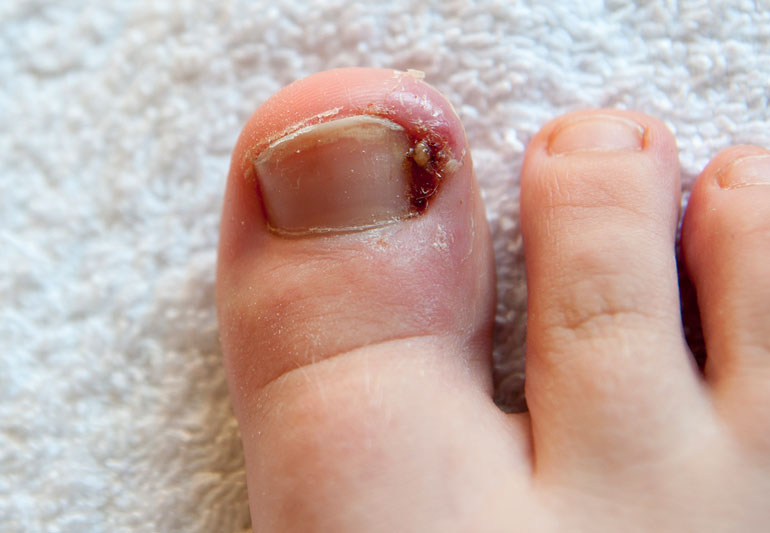
The affected area may become tender, red and swollen. In more severe cases, discharge or infection may develop. Ingrown toenails can occur due to nail-trimming habits, tight footwear, nail shape or repeated pressure on the toe.
Symptoms of an Ingrown Toenail
Symptoms may include:
- Pain along one or both edges of the toenail.
- Redness and swelling around the nail fold.
- Tenderness when walking or wearing shoes.
- Skin growing over the edge of the nail.
- Fluid or pus around the affected area.
- Recurrent inflammation in the same toe.
If you have severe pain, spreading redness, pus or fever, seek medical assessment promptly. People with diabetes, poor circulation or reduced foot sensation should seek medical care early rather than attempting home treatment.
Common Causes of Ingrown Toenails
Common contributing factors include:
- Cutting toenails too short or rounding the corners deeply.
- Wearing tight shoes or footwear with a narrow toe box.
- Picking or tearing nail edges.
- Repeated pressure or injury to the toe.
- Naturally curved or unusually shaped nails.
- Activities that repeatedly put pressure on the toes.
Understanding the cause is important because treatment alone may not prevent recurrence if the underlying pressure or nail-growth pattern remains.
Ingrown Toenail Treatment Options
The appropriate treatment depends on the severity of the ingrown nail and your medical history.
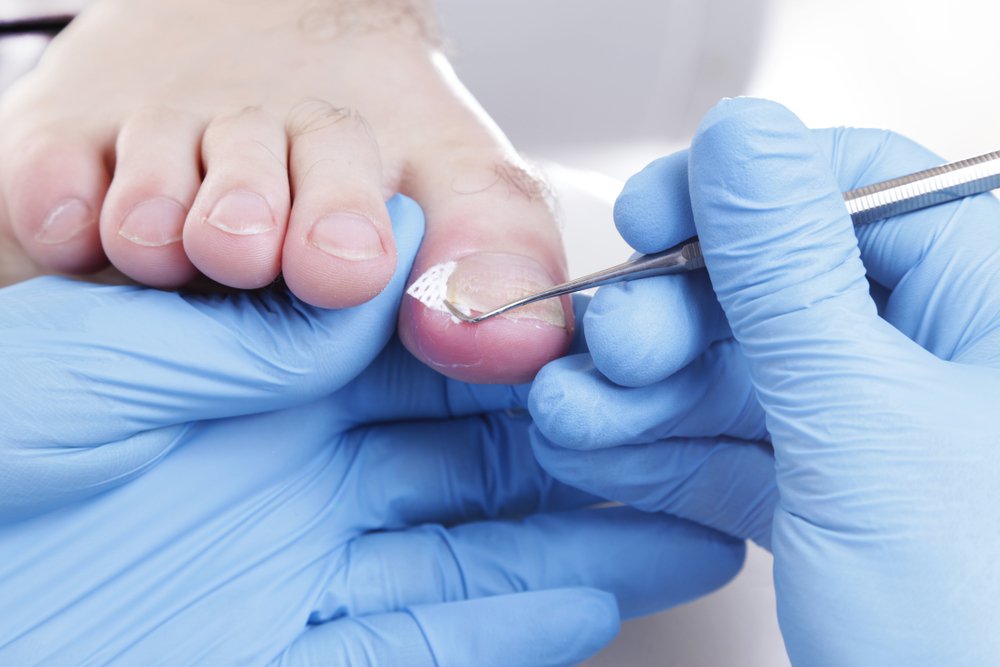
Mild cases may improve with suitable footwear, careful nail care and clinician-recommended measures to reduce pressure around the nail. Avoid digging into the nail corner or cutting away the ingrown portion yourself.
For a more painful or persistent ingrown toenail, a clinician may recommend partial nail avulsion. This involves numbing the toe with local anaesthesia and removing the problematic edge of the nail.
It can relieve pressure and help the affected area heal. The suitability of the procedure depends on the condition of the nail and surrounding skin.
In certain cases, removal of a larger portion or the entire nail may be considered. This is not necessary for every ingrown toenail; the approach depends on the severity and clinical findings.
For selected recurrent cases, a clinician may combine partial nail removal with a procedure called chemical matricectomy, which uses phenol to treat the part of the nail matrix responsible for regrowth.
This aims to reduce recurrence of the problematic nail edge. It requires appropriate patient selection and aftercare, and it is not suitable for every patient.
5. Nail Bracing and Other Non-Surgical Options
Selected mild or chronic cases may be suitable for conservative methods, including nail bracing or splinting, depending on the nail shape and the clinician's assessment. Availability should be confirmed with the clinic.
Anaesthesia and Discomfort
Procedures such as partial nail avulsion are commonly performed under local anaesthesia, which numbs the toe during treatment. Some discomfort, tenderness or minor drainage may occur during recovery.
Your clinician can explain the expected procedure, possible risks and aftercare requirements before treatment.
Recovery After Treatment
Recovery varies according to the procedure performed, the severity of inflammation and individual healing.
Your clinician may advise you to:
- Keep the dressing clean and follow wound-care instructions.
- Wear comfortable footwear that does not press on the toe.
- Avoid activities that cause friction or pressure while the area heals.
- Attend follow-up visits if recommended.
- Watch for worsening pain, swelling, spreading redness or discharge.
Follow the specific instructions given after your procedure rather than relying on a generic recovery timeline.
Can an Ingrown Toenail Return?
Yes. Ingrown toenails can recur, particularly if the nail edge continues to grow into the skin or the original contributing factors remain.
For recurrent cases, a clinician may discuss procedures that target the affected portion of the nail matrix. No treatment can guarantee that recurrence will never happen.
Preventing Ingrown Toenails
- Trim toenails straight across rather than cutting deeply into the corners.
- Avoid cutting nails excessively short.
- Choose shoes with sufficient room for your toes.
- Avoid picking or tearing nail edges.
- Seek advice if the same nail repeatedly becomes painful.
- If you have diabetes or poor circulation, do not attempt to remove an ingrown nail yourself.
Consultation in Mira Road
If you are searching for ingrown toenail treatment in Mira Road, ingrown toenail removal in Mumbai or help with a painful, recurring toenail, contact SkinHealth Clinic to enquire about assessment and available treatment options.
The recommended treatment depends on the severity of the condition, the presence of infection and your individual health needs.
Book a consultation to discuss your ingrown toenail and suitable treatment options.