
Looking for drug allergy treatment in Mira Road or a dermatologist for a medication-related skin reaction? SkinHealth by Dr. Safa Patrick provides dermatologist-led evaluation and management of drug-related skin rashes, itching, redness, swelling and other medication-associated skin reactions.
A drug allergy can occur when the immune system reacts to a medication. Reactions can range from mild skin rashes and itching to more serious reactions involving widespread skin involvement or other organs.
Because not every rash that develops after taking a medicine is a true drug allergy, proper medical evaluation is important.
What Is a Drug Allergy?
A drug allergy is an immune-mediated reaction to a medication. It can occur with prescription medicines, over-the-counter medicines or other drugs.
A medication-related skin reaction may cause:
- Red or itchy rash
- Hives or urticaria
- Facial swelling
- Skin redness
- Widespread rash
- Blistering
- Skin peeling
- Dark pigmentation after inflammation
- Other changes in the skin or mucous membranes
The timing of the reaction, medication history and clinical appearance can help a dermatologist determine whether the reaction may be related to a particular medicine.
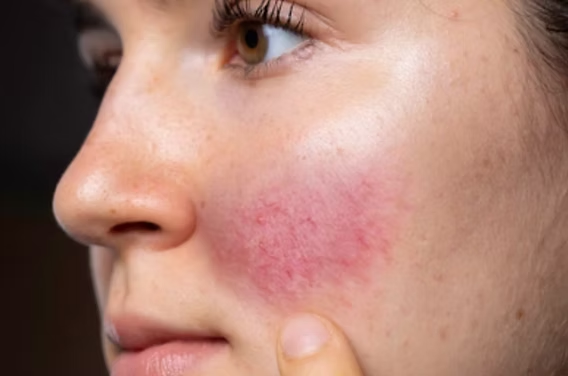
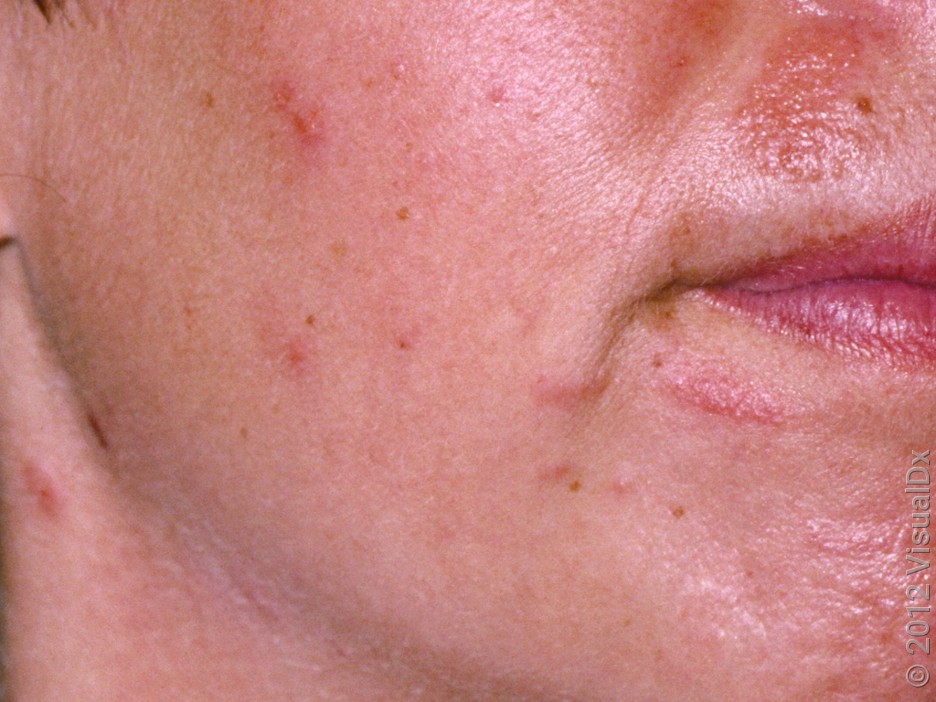
Common Symptoms of Drug-Related Skin Reactions
Drug-related skin reactions can look different from person to person.
Common symptoms include:
Skin Rash
A medication may cause a new rash that can appear on the face, trunk, arms, legs or other areas.
Itching
Itching may occur with hives or other types of drug-related eruptions.
Facial Swelling
Swelling of the face, lips or eyelids can occur with some allergic reactions.
Hives
Raised, itchy welts may develop suddenly and can change location over time.
Redness and Inflammation
Some medication-related reactions cause widespread redness or inflammation.
Pigmentation
Certain drug reactions or the inflammation that follows them can leave temporary or persistent changes in skin colour.
Drug Allergy vs Drug Side Effect
A drug allergy is not the same as a medication side effect.
A side effect is an unintended effect of a medication that does not necessarily involve the immune system.
A drug allergy involves an immune response and can produce symptoms such as hives, swelling or other allergic manifestations.
This distinction is important because the management and future medication choices may differ.
Drug Allergy Management in Mira Road
Management depends on the suspected medication, type of reaction, severity of symptoms and your medical history.
A dermatologist may:
Review Your Medication History
Your doctor may ask about:
- Name of the suspected medicine
- Dose and duration
- When the medicine was started
- When the symptoms appeared
- Previous exposure to the same or similar medicine
- Other medicines being taken at the same time
- Previous drug reactions
- Other medical conditions
Identify the Suspected Drug
The timing and pattern of the reaction can help determine whether a particular medicine may be responsible.
Do not stop an essential prescription medicine without medical advice. If you suspect a medication is causing an allergic reaction, contact the prescribing doctor or seek appropriate medical care.
Treat the Skin Reaction
Depending on the presentation, treatment may include medicines to control itching, inflammation or other symptoms.
The treatment is selected according to the specific type and severity of the reaction.
Document the Reaction
When appropriate, your dermatologist may advise you to keep a record of the suspected medication and the reaction so that it can be discussed with your treating doctors in the future.
Drug Allergy on the Face
Medication-related reactions can sometimes affect the face and may cause:
- Facial redness
- Itching
- Swelling
- Hives
- Irritation
- Dryness or inflammation
- Post-inflammatory pigmentation
If facial swelling develops after taking a medication, particularly when associated with swelling of the lips or tongue, breathing difficulty or throat tightness, urgent medical attention is required.
When Is a Drug Allergy an Emergency?
Some medication reactions can become serious.
Seek emergency medical care immediately if a suspected drug reaction is associated with:
- Difficulty breathing
- Wheezing
- Swelling of the tongue or throat
- Difficulty swallowing
- Fainting or severe dizziness
- Rapidly spreading blistering or peeling
- Extensive skin pain
- Sores involving the mouth, eyes or genital area
- High fever with a widespread rash
- Significant facial swelling with breathing or swallowing problems
Serious drug reactions require urgent medical assessment.
Can Drug Allergy Cause Skin Pigmentation?
Some medication-related skin reactions can be followed by post-inflammatory hyperpigmentation or other changes in skin colour.
The pigmentation may remain after the original rash has settled.
Treatment of pigmentation should generally be considered only after the active drug reaction has been appropriately evaluated and controlled.
Diagnosis of Drug Allergy
Diagnosis is primarily based on the clinical history and examination.
Your dermatologist may consider:
- The suspected medication
- Timing of exposure
- Appearance and distribution of the rash
- Duration of symptoms
- Previous reactions
- Other medications
- Associated symptoms
- Relevant medical history
In selected situations, additional testing or referral to an allergy specialist may be considered.
Not every suspected drug allergy requires an allergy test.
What Should You Do If You Suspect a Medication Allergy?
If you develop a new rash or other symptoms after starting a medicine:
- Note the name of the medication.
- Record when you started taking it.
- Note when the symptoms began.
- Take photographs of the rash if possible.
- Inform your prescribing doctor.
- Seek medical evaluation, particularly if symptoms are spreading or worsening.
- Do not restart a suspected medication on your own after a significant reaction.
Your doctor can determine the appropriate next step based on the medication and severity of the reaction.
Why Choose SkinHealth for Drug Allergy Management in Mira Road?
At SkinHealth, medication-related skin reactions are evaluated by considering the appearance of the rash, timing of medication exposure and the patient's overall medical history.
Dr. Safa Patrick provides dermatologist-led consultation for drug-related rashes, hives, itching, facial swelling and other skin concerns.
The goal is to identify the likely cause, manage the current skin reaction appropriately and provide guidance regarding future medication discussions with your treating healthcare professionals.
Frequently Asked Questions About Drug Allergy
Book a Drug Allergy Consultation in Mira Road
If you have developed a rash, itching, hives, facial swelling or other skin changes after taking a medication, proper evaluation can help determine the likely cause and appropriate management.
Consult Dr. Safa Patrick at SkinHealth in Mira Road for dermatologist-led assessment of drug-related skin reactions.