
Lichen planus is an inflammatory skin condition that can affect the skin, scalp, nails, mouth, and other mucous membranes. It may appear as itchy, reddish-purple or violaceous bumps and patches and can occur in episodes or persist for an extended period.
At SkinHealth, lichen planus is evaluated and managed by a dermatologist based on the affected area, severity, symptoms, and individual health factors. Treatment may include topical corticosteroids, oral or other systemic medicines, antihistamines for itch relief, and other therapies when appropriate.
The goal of treatment is to control inflammation and itching, manage active lesions, and monitor the condition over time.
Lichen Planus Treatment with a Dermatologist in Mira Road
Lichen planus can have different clinical patterns and may affect more than one part of the body. A dermatologist evaluates the appearance and distribution of the lesions and may recommend additional testing or a skin biopsy when the diagnosis is uncertain.
Treatment planning may take into account:
- Severity and extent of the condition
- Location of the lesions
- Degree of itching or discomfort
- Whether the scalp, nails, mouth, or other mucosal areas are involved
- Previous treatments and response
- Individual medical history
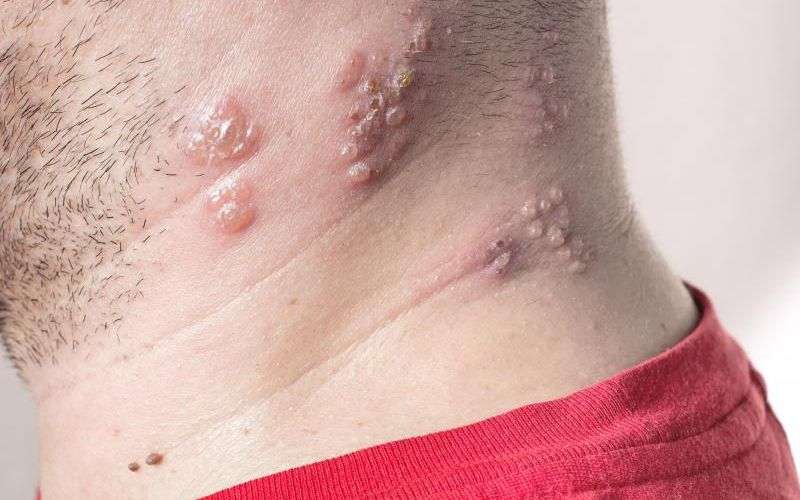
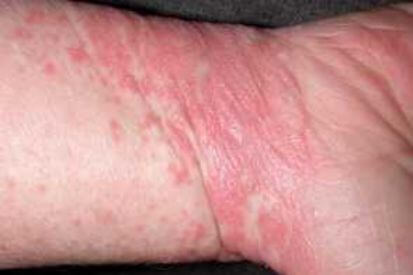
Lichen planus may cause itchy reddish-purple or violaceous bumps, flat-topped skin lesions, dark patches after inflammation, scalp and nail changes, white lines or patches inside the mouth, and genital or other mucosal involvement in some patients.
Diagnosis of Lichen Planus
A dermatologist usually diagnoses lichen planus through a detailed examination of the skin and affected areas. In some cases, a skin biopsy may be recommended to confirm the diagnosis or distinguish lichen planus from other skin conditions that can look similar.
Early and accurate diagnosis is particularly important when lesions involve the mouth, genitals, scalp, or nails.
Treatment for Lichen Planus
Treatment depends on the type, location, severity, and symptoms of lichen planus. Topical corticosteroids are commonly used to reduce inflammation and itching in localized lichen planus. For extensive, persistent, or difficult-to-control disease, a dermatologist may consider oral or other systemic treatments depending on the patient's condition and medical history.
Antihistamines or other supportive measures may be recommended when itching is significant. Lichen planus affecting the scalp, nails, mouth, or genital area may require specialized assessment and treatment.
Why Choose SkinHealth for Lichen Planus Treatment?
- Dermatologist-led diagnosis and treatment planning
- Individualized treatment according to disease severity
- Evaluation of different forms of lichen planus
- Appropriate management of itching and inflammation
- Long-term follow-up when required
- Monitoring of treatment response
- Guidance regarding skin and lesion care
Lichen planus can have a variable course. Some cases improve over time, while others may persist or recur. Regular dermatological follow-up can help monitor symptoms and identify changes that may require treatment adjustment.
When to See a Dermatologist
Consult a dermatologist if you develop:
- Persistent itchy purple or reddish skin lesions
- Unexplained recurring rashes or spreading lesions
- Persistent mouth sores or white patches
- Unexplained nail changes
- Scalp lesions associated with hair loss or scarring
- Persistent genital irritation or lesions
A professional evaluation is important because several skin conditions can resemble lichen planus.
Lichen Planus Treatment in Mira Road, Mumbai
Looking for lichen planus treatment in Mira Road or Mumbai? SkinHealth provides dermatologist-led evaluation and management for lichen planus affecting the skin, scalp, nails, and mucosal areas.
Dr. Safa Patrick develops a treatment plan based on the patient's symptoms, affected areas, severity, and clinical findings.
Frequently Asked Questions
Book a Lichen Planus Consultation at SkinHealth
If you have persistent itchy, purple, reddish, or unexplained skin lesions, consult a dermatologist for an accurate diagnosis and personalized treatment plan.
Book a consultation with Dr. Safa Patrick at SkinHealth in Mira Road, Mumbai, for lichen planus evaluation and management.