
Dermal fillers are injectable treatments used to restore facial volume, soften selected facial lines and enhance certain facial contours. At SkinHealth Clinic in Mira Road, patients can consult Dr. Safa Patrick to discuss suitable aesthetic treatment options based on their facial anatomy, skin concerns and desired outcome.
Depending on individual suitability and the filler product selected, treatment may be considered for areas such as the lips, cheeks, chin and selected facial folds. The aim is to create a balanced appearance while respecting your natural facial features.
Before treatment, a consultation is important to understand your goals, medical history, previous aesthetic procedures and the potential benefits and risks. Results vary depending on the product, treatment area and individual factors. Many commonly used fillers provide temporary results and may require maintenance.
What Are Dermal Fillers?
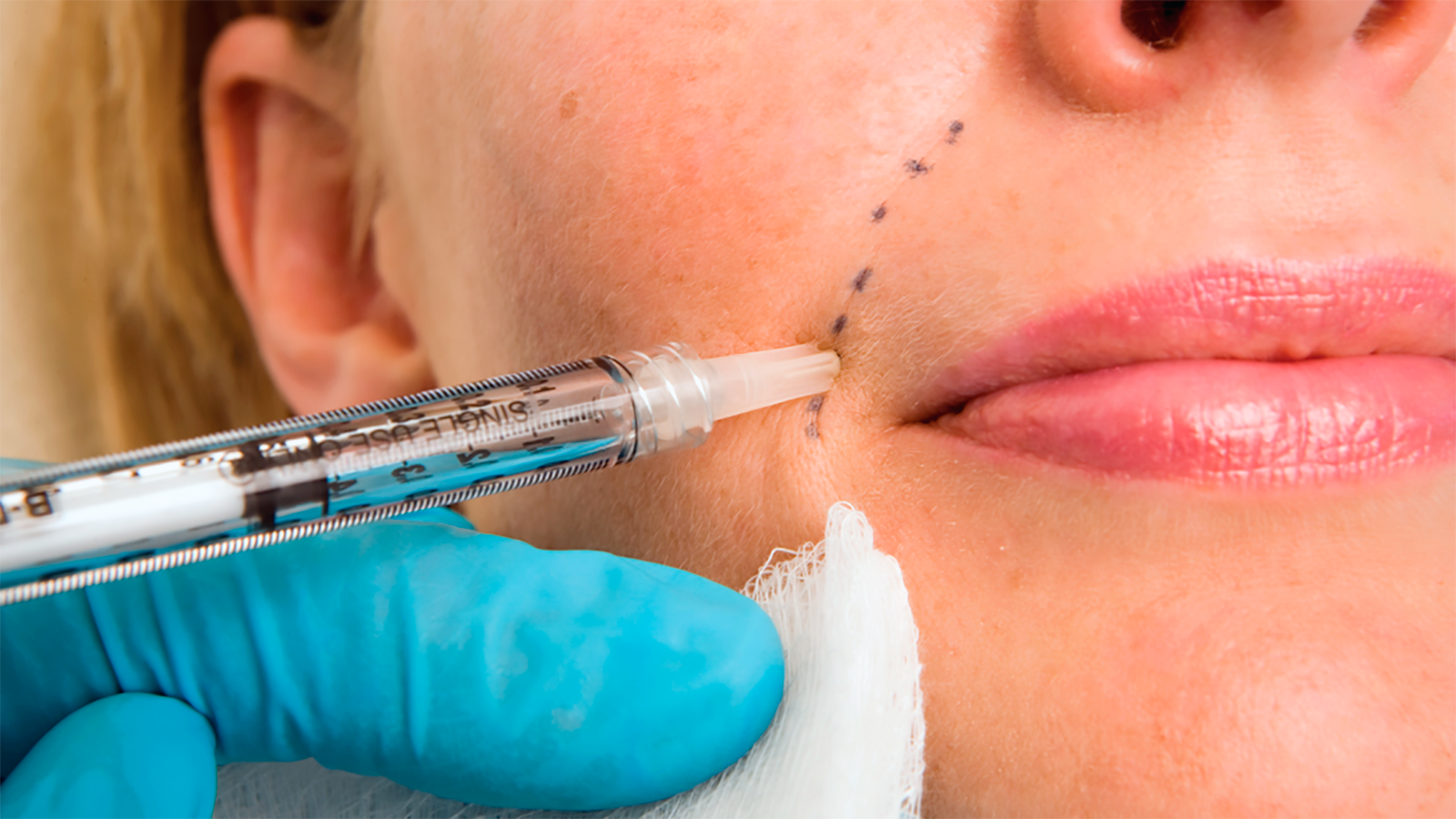
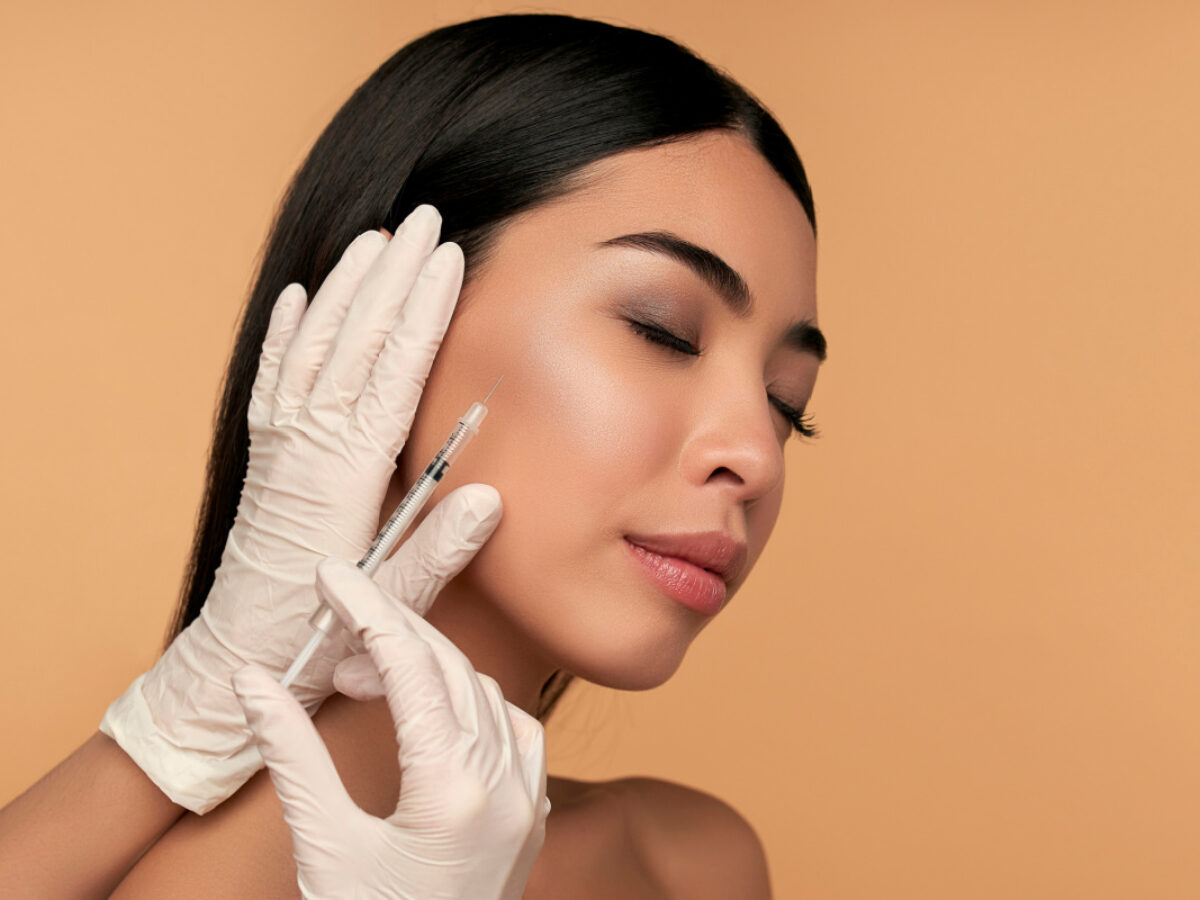
Dermal fillers are gel-like substances injected beneath the skin to add volume, improve selected contours or soften certain lines. Hyaluronic acid is one commonly used filler material. Different products have different properties, indications and expected durations.
Fillers are different from Botox. Fillers add volume or provide structural support, while Botox works by relaxing specific muscles responsible for certain expression lines.
Which Areas Can Dermal Fillers Treat?
Depending on the product, treatment area and clinical assessment, dermal fillers may be considered for:
- Lip enhancement: To adjust lip volume and definition.
- Cheek enhancement: To address selected areas of volume loss or improve contour.
- Chin enhancement: To improve the appearance of chin projection or facial balance.
- Facial folds: To soften certain lines, such as smile lines.
- Selected under-eye concerns: Only after careful assessment, as this area requires particular expertise.
- Age-related facial volume loss: To address selected areas where volume has reduced.
Not every concern is best treated with fillers. Your dermatologist can discuss alternatives if another treatment is more appropriate.
Who May Consider Dermal Fillers?
A consultation may be helpful if you want to explore options for facial volume loss, lip definition, selected facial folds or facial contour enhancement. Suitability depends on your medical history, anatomy, expectations and the specific product being considered.
Fillers may not be suitable for everyone. Tell your doctor about allergies, bleeding problems, medicines and supplements, previous filler treatments, active skin infections and any history of complications from cosmetic procedures.
What Happens During a Filler Consultation?
- Facial assessment: Your concerns, facial proportions and treatment goals are discussed.
- Treatment planning: The doctor explains suitable options, expected results, limitations and alternatives.
- Procedure discussion: The product, injection area, aftercare and possible side effects are reviewed before you decide.
- Aftercare guidance: You receive instructions specific to your procedure and information about when to seek medical help.
The procedure and recovery experience vary by treatment area and product. Temporary swelling, redness, tenderness and bruising may occur.
Benefits and Limitations of Dermal Fillers
When appropriately selected and administered, fillers may help improve facial volume, soften selected lines and enhance certain facial contours. However, results are not guaranteed, and fillers do not stop the natural ageing process.
Most temporary fillers are gradually broken down by the body. The duration of results varies, and repeat treatment may be needed. Some complications can be serious, including accidental injection into a blood vessel, which may damage skin or affect vision. Seek urgent medical attention for unusual severe pain, skin that becomes white, grey or blue, or any visual changes during or after treatment.
For more information about filler benefits and risks, see the FDA's guidance on dermal fillers.
Why Consult SkinHealth Clinic in Mira Road?
- Consultation with Dr. Safa Patrick to discuss your aesthetic concerns.
- Individualized assessment before choosing a treatment.
- Discussion of expected outcomes, limitations and possible complications.
- Guidance on appropriate aftercare and follow-up.
- Convenient access for patients seeking dermatology and aesthetic consultations in Mira Road.
Always confirm the availability of the specific filler treatment and product when booking your appointment.
Frequently Asked Questions About Dermal Fillers
Dermal Fillers Consultation in Mira Road & Mumbai
If you are exploring dermal fillers for facial volume, lip definition or selected facial lines, arrange a consultation at SkinHealth Clinic. Discuss your goals, suitable options, expected results and potential risks before deciding on treatment.