
Persistent ingrown nails, painful nail disorders, nail injuries and selected growths around the nail may require a minor surgical procedure. At SkinHealth Clinic in Mira Road, Dr. Safa Patrick can assess your nail condition and discuss appropriate treatment options based on the cause, severity and location of the problem.
Nail surgery may involve removing part or all of a nail, treating the nail matrix to reduce unwanted regrowth in selected cases, or evaluating a nail-bed problem that requires a procedure. The aim is to relieve symptoms, address the underlying condition and preserve healthy nail function wherever possible.
Not every nail problem requires surgery. Some conditions can be managed with conservative treatment or medication, while others need further investigation before a procedure is considered. Your consultation helps determine the most appropriate approach.
Why Consult SkinHealth Clinic?
- Individual assessment: Evaluation of painful, ingrown, damaged or abnormal nails.
- Procedure selection: Discussion of suitable surgical options based on the diagnosis.
- Local anaesthesia when appropriate: Many minor nail procedures can be performed with local anaesthesia.
- Aftercare guidance: Instructions for wound care, dressing changes and recovery.
- Follow-up support: Review of healing and any concerns after the procedure.
The procedure offered will depend on the clinical assessment and the services available at the clinic.
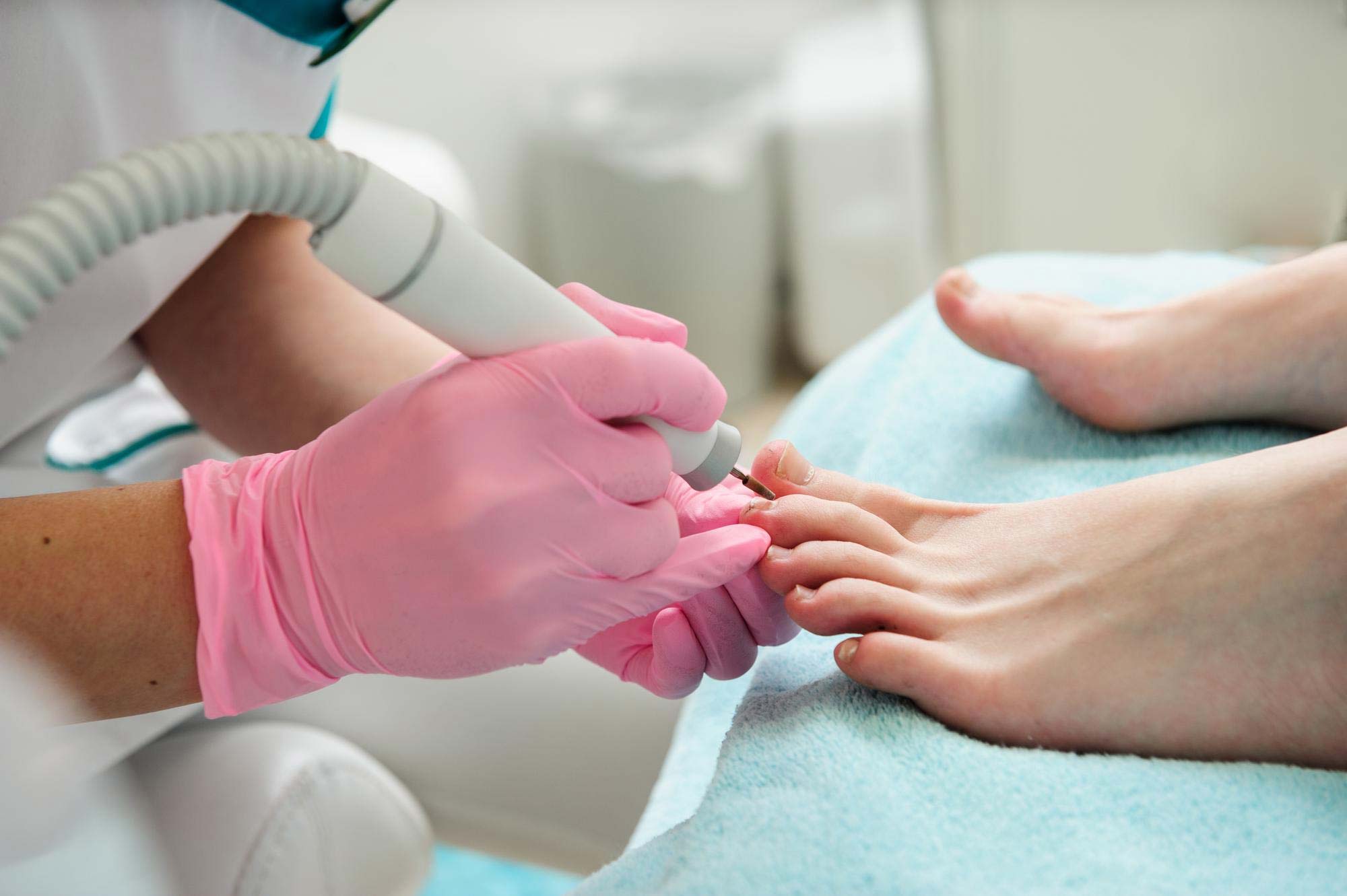
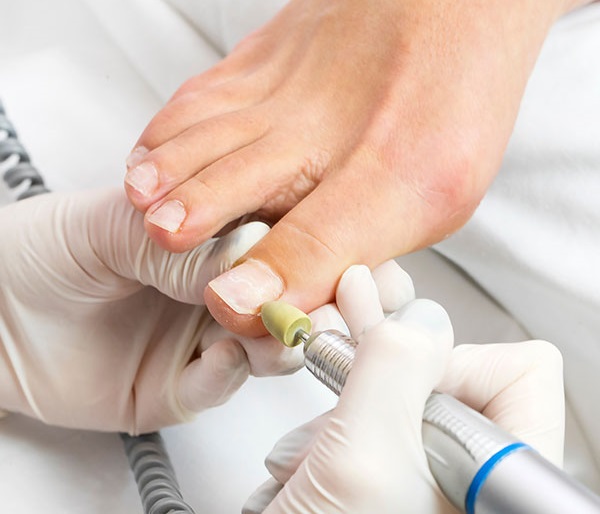
Nail Conditions That May Need a Procedure
An ingrown toenail occurs when the nail edge grows into the surrounding skin, causing pain, redness, swelling and sometimes infection. Persistent or recurrent cases may require partial nail removal, with a procedure on the nail matrix considered when appropriate to reduce regrowth of the problematic edge.
Nail avulsion, which involves removing part or all of the nail plate, may be recommended for selected nail conditions, injuries or cases where other treatment has not helped. The amount removed depends on the problem being treated.
Certain nail injuries may require assessment and repair, particularly if the nail bed is damaged. Prompt evaluation is important after significant trauma because treatment depends on the type and extent of the injury.
A growth near or beneath the nail may need further examination and, in selected cases, removal or biopsy. Not every growth is benign, so diagnosis should be established before treatment.
The appropriate procedure depends on the nail condition and clinical findings.
Nail Surgery Procedures
Partial nail avulsion: Removes the affected portion of the nail while preserving the remaining nail where possible.
Total nail avulsion: Removes the entire nail plate when clinically indicated. This does not necessarily prevent the nail from growing back.
Matrixectomy: Treats part or all of the nail matrix, the tissue responsible for nail growth. It may be used in selected cases of recurrent ingrown nails when permanent narrowing or prevention of regrowth of the treated portion is intended.
Nail-bed assessment or repair: May be required for certain injuries or abnormalities involving the tissue beneath the nail.
Excision or biopsy of selected nail lesions: May be considered when a cyst, tumour or other abnormal growth requires treatment or diagnosis.
Not all procedures are suitable for every patient. Your clinician should explain the purpose, expected outcome, alternatives and risks before obtaining consent.
What Happens During Nail Surgery?
Step 1: Examination
The clinician assesses the nail, surrounding skin, symptoms and relevant medical history.
Step 2: Treatment planning
The recommended procedure, expected recovery, possible complications and alternatives are discussed.
Step 3: Procedure
Many minor nail surgeries are performed under local anaesthesia. The exact technique depends on the condition being treated.
Step 4: Dressing and aftercare
The area is dressed, and you receive instructions on keeping it clean, changing dressings and limiting activities when necessary.
Step 5: Follow-up
Your clinician may arrange a review to check healing and address any concerns.
Recovery and Aftercare
Recovery depends on the procedure, the affected nail and your general health. Temporary soreness, swelling, minor bleeding or wound discharge may occur. Toenail procedures may affect footwear and walking comfort for a period of time.
Follow your clinician's instructions carefully:
- Keep the dressing and wound cared for as directed.
- Avoid pressure or friction on the treated area.
- Take prescribed medicines only as instructed.
- Attend follow-up appointments when advised.
- Seek medical advice if redness, swelling, pain or discharge increases.
Nails grow slowly. A fingernail can take several months to regrow, while a toenail may take a year or longer, depending on the individual and procedure. If part of the nail matrix is intentionally treated, that portion may not grow back as before.
Potential complications include infection, delayed healing, nail deformity, persistent discomfort and recurrence. Seek prompt medical attention if you develop worsening pain, spreading redness, fever or significant discharge.
People with diabetes, poor circulation or reduced sensation should seek professional advice promptly for nail problems and avoid self-treatment.
Nail Surgery Consultation in Mira Road
SkinHealth Clinic is located in Mira Road East and provides dermatology consultations for patients with nail concerns. If you are searching for nail surgery in Mira Road or Mumbai, arrange an assessment to understand the cause of your symptoms and whether a surgical procedure is appropriate.
Clinic: SkinHealth by Dr. Safa Patrick
Address: Shop No. 1, Aakruti Elegance, Above UCO Bank, Ramdev Park, Mira Road East, Maharashtra 401107.
Hours: Monday–Saturday, 12 PM–9 PM, as provided by the clinic.
Contact SkinHealth Clinic to enquire about an appointment with Dr. Safa Patrick and confirm the availability of the procedure you require.
Phone: +91 79778 64622 / +91 91670 30201