
Are you experiencing persistent itching, dry patches, redness or an irritating skin rash? Eczema and skin allergies can affect the face, hands, neck and other parts of the body, making everyday activities uncomfortable. At SkinHealth Clinic in Mira Road, Dr. Safa Patrick can assess your symptoms and help determine the appropriate treatment for your skin condition.
Eczema is a group of inflammatory skin conditions that can cause dryness, itching, scaling and recurring flare-ups. Contact dermatitis may develop when the skin reacts to an irritant or an allergen, such as certain cosmetics, fragrances, jewellery or cleaning products.
Treatment depends on the underlying cause and severity. It may include prescribed topical medication, moisturisers, trigger avoidance and a personalized skincare routine. The aim is to control inflammation, relieve symptoms, support the skin barrier and reduce the frequency of flare-ups.
Why Consult SkinHealth Clinic?
- Dermatological assessment: Evaluate persistent itching, rashes, dryness and suspected allergic reactions.
- Personalized treatment: Recommendations based on the suspected condition, affected area and symptom severity.
- Trigger identification: Guidance on possible irritants, allergens and everyday products that may worsen symptoms.
- Skin barrier support: Advice on moisturisers, gentle cleansing and suitable skincare products.
- Ongoing management: Follow-up guidance for recurring or persistent skin problems.
The right treatment varies from person to person. Not every itchy rash is eczema or an allergy, so an accurate diagnosis is important before starting treatment.
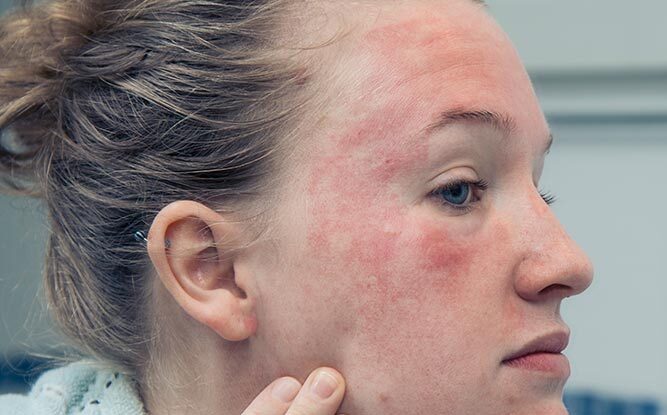
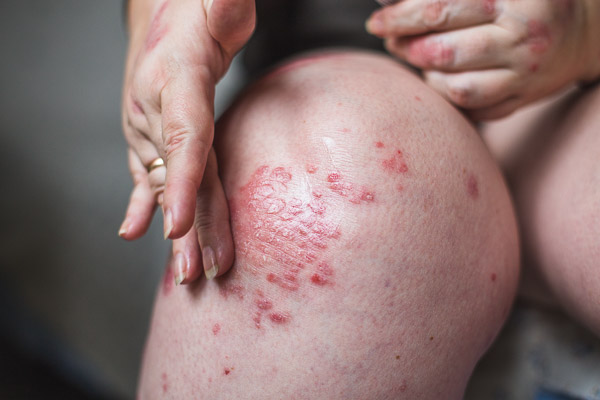
Types of Eczema and Affected Areas
Atopic dermatitis is a chronic inflammatory skin condition commonly associated with dry, itchy and sensitive skin. It can affect children and adults and often has periods of improvement and flare-ups.
Contact dermatitis occurs when the skin reacts to an irritant or allergen. Common triggers include soaps, detergents, fragrances, cosmetics, metals and certain workplace substances.
Facial eczema may cause dryness, itching, scaling and irritation around the cheeks, forehead, eyelids or other facial areas. Because facial skin is sensitive, treatment should be selected carefully.
Hand eczema can cause dry, cracked, itchy or inflamed skin. Frequent washing, cleaning products, occupational exposure and contact with irritants may contribute.
Several conditions can resemble eczema, including fungal infections, psoriasis, scabies and other inflammatory or allergic skin disorders. A dermatologist can help distinguish between them.
Common Eczema Triggers
Triggers differ between individuals. Common factors include:
- Fragrances, cosmetics and skincare ingredients.
- Soaps, detergents and household cleaning products.
- Jewellery or metal exposure, including nickel in some items.
- Frequent handwashing and repeated contact with water.
- Heat, sweating, dry weather and friction.
- Certain workplace chemicals or occupational exposures.
- An underlying tendency toward atopic dermatitis.
A suspected allergy may require further evaluation. Your dermatologist may recommend patch testing when allergic contact dermatitis is suspected and identifying the trigger would help guide management.
Eczema Treatment Options
Treatment is based on the diagnosis, location and severity of the rash. Depending on the condition, a treatment plan may include:
Prescribed topical medication: Anti-inflammatory creams or ointments may be recommended for selected conditions and body areas.
Moisturisers and barrier care: Regular use of suitable, fragrance-free moisturisers can help reduce dryness and support the skin barrier.
Trigger avoidance: Identifying and reducing exposure to relevant irritants or allergens may help prevent further episodes of contact dermatitis.
Additional treatment for persistent cases: Some patients with more severe or difficult-to-control eczema may need other prescription treatments or specialist-supervised therapies.
Avoid using strong steroid creams or combination creams on your own, particularly on the face, eyelids, groin or in children. The wrong medication may worsen certain conditions or cause side effects.
Skin Care and Flare Management
- Use a gentle cleanser and lukewarm water.
- Apply a suitable fragrance-free moisturiser regularly.
- Avoid scratching, which can damage the skin and increase infection risk.
- Introduce new skincare products cautiously and stop using products that appear to trigger a reaction.
- Keep a note of when flare-ups occur and any products or activities associated with them.
- Follow your prescribed treatment and attend follow-up appointments when advised.
These steps can support treatment, but they do not replace an assessment when symptoms persist or worsen.
When to Seek Medical Care
Arrange a consultation if you experience recurring rashes, persistent itching, cracked skin, facial irritation, symptoms that interfere with sleep or daily activities, or a rash that does not improve with basic skincare.
Seek prompt medical attention if the rash becomes increasingly painful, develops pus or extensive crusting, spreads rapidly or is accompanied by fever. Swelling of the lips or tongue, breathing difficulty or faintness after a suspected allergic reaction requires emergency medical care.
Eczema Consultation in Mira Road
SkinHealth Clinic in Mira Road provides dermatology consultations for patients seeking evaluation of eczema, contact dermatitis, itchy skin and suspected skin allergies. If you live in Mira Road or nearby Mumbai areas, consult a dermatologist to discuss your symptoms and appropriate treatment options.
Contact SkinHealth Clinic to enquire about an appointment with Dr. Safa Patrick.
Phone: +91 79778 64622 / +91 91670 30201
Early assessment can help identify the cause of a persistent rash and guide a suitable management plan.