
Are your toenails or fingernails becoming thick, brittle, yellowish or discoloured? These changes may be signs of a fungal nail infection, medically known as onychomycosis. However, nail injuries, psoriasis and other nail conditions can produce similar changes, so an accurate diagnosis is important.
At SkinHealth Clinic in Mira Road, you can enquire about a dermatological assessment for nail discoloration, thickened nails and suspected fungal infections. Treatment options depend on the diagnosis, the number of nails affected and the severity of the condition.
If you are searching for fungal nail infection treatment in Mira Road or Mumbai, professional assessment can help you understand the available options and expected treatment timeline.
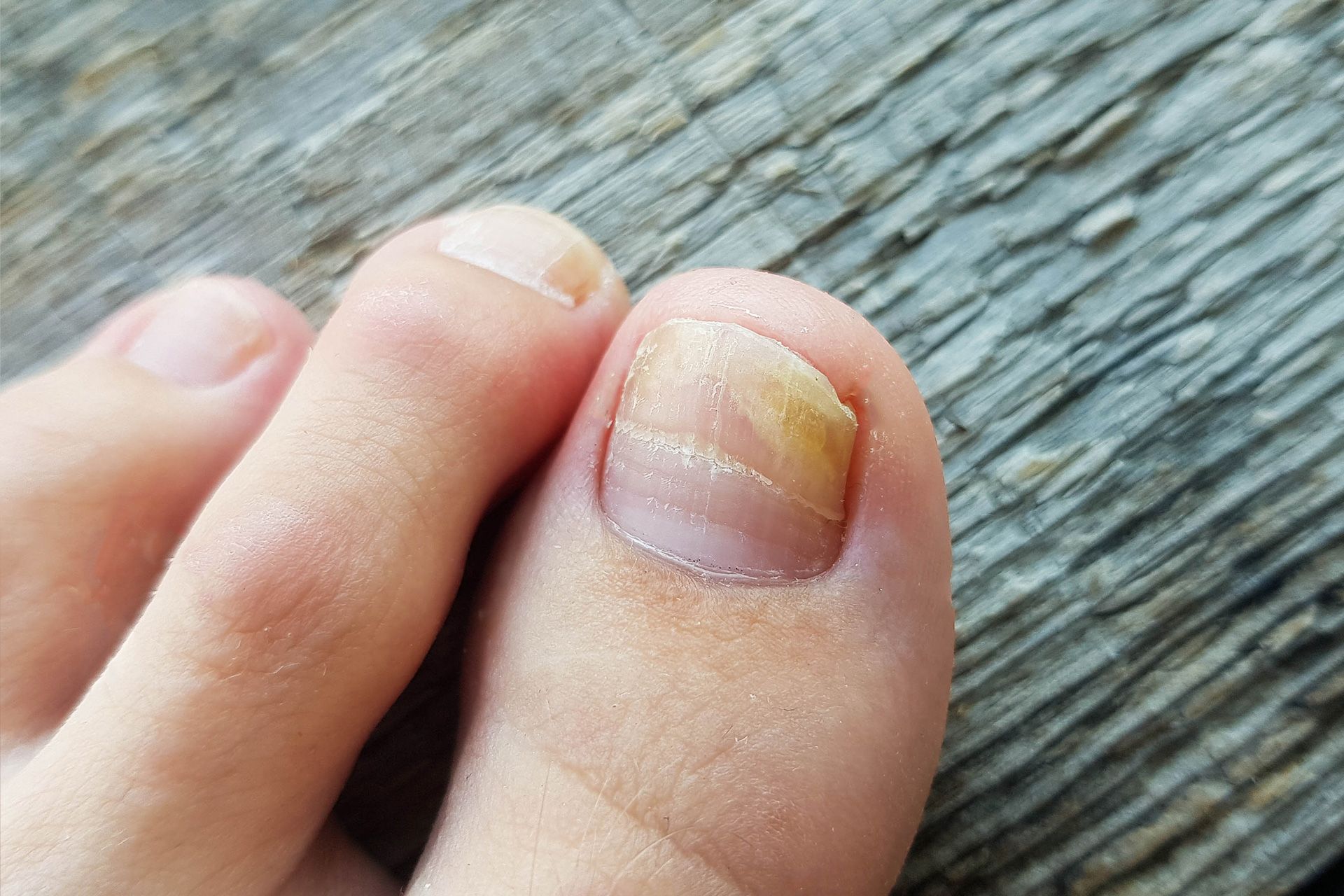
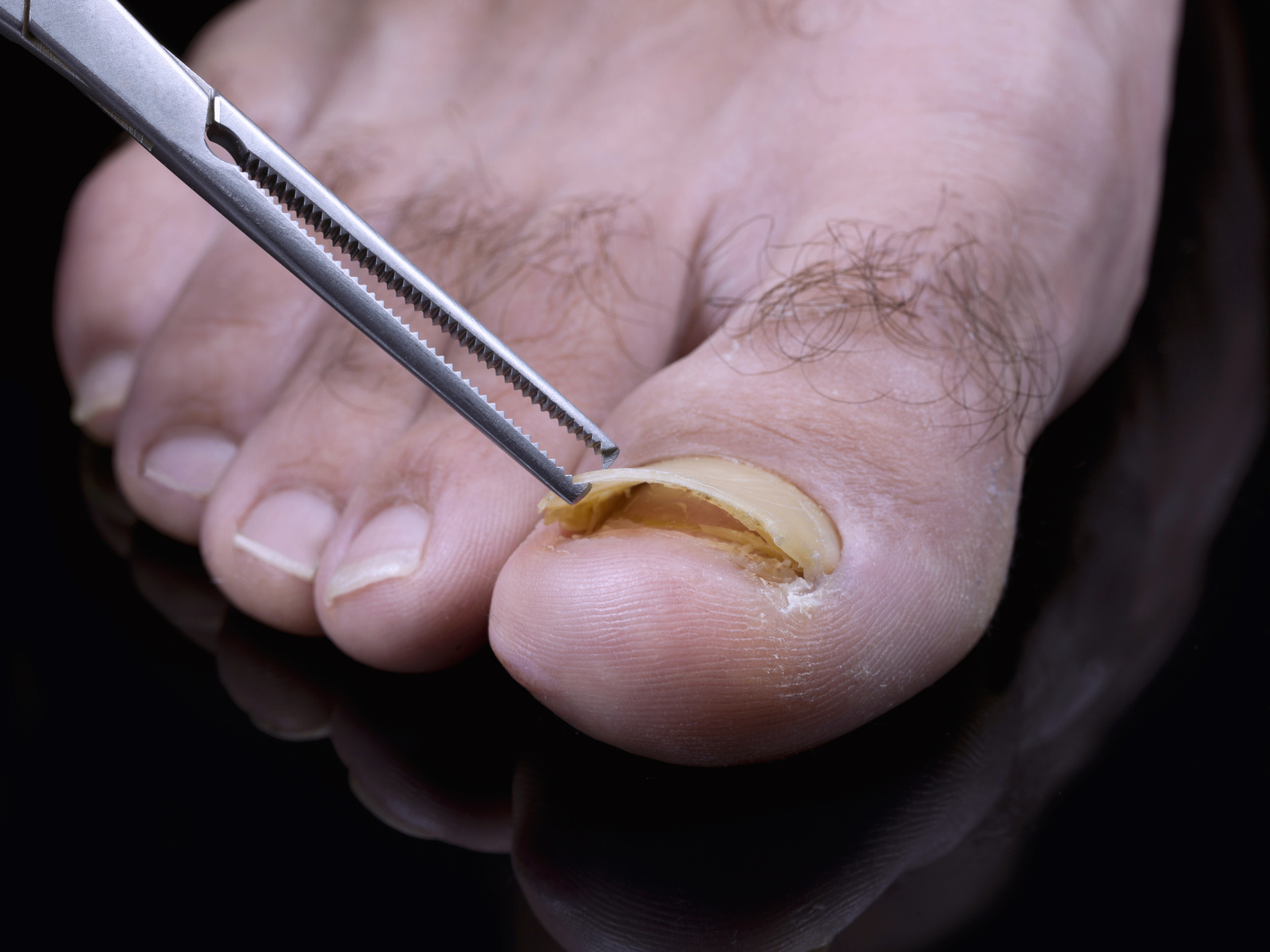
What Is a Fungal Nail Infection?
A fungal nail infection occurs when fungi infect the nail or the tissue beneath it. It commonly affects toenails but can also involve fingernails.
The infection may develop gradually and cause changes in nail colour, thickness, shape and texture. Without appropriate treatment, the affected nail may become increasingly brittle, distorted or uncomfortable.
Signs of a possible fungal nail infection include:
- Yellow, white or brown nail discoloration.
- Thickened or brittle nails.
- Nails that crack, split or crumble.
- Debris accumulating beneath the nail.
- Separation of the nail from the nail bed.
- Changes in nail shape or texture.
- Discomfort when wearing shoes in more advanced cases.
These symptoms do not confirm a fungal infection on their own. A dermatologist may recommend testing when needed to distinguish nail fungus from other nail disorders.
What Causes Fungal Nail Infections?
Fungal nail infections may develop after exposure to fungi in warm, moist environments. Risk factors can include:
- Sweaty feet and prolonged moisture.
- Walking barefoot in communal showers or changing areas.
- Sharing nail clippers or grooming tools without proper cleaning.
- Having an athlete's foot.
- Nail injuries or repeated pressure from footwear.
- Certain medical conditions that increase the risk of infection.
Keeping feet dry, using personal nail-care tools and addressing associated fungal infections may help reduce the risk of reinfection.
A dermatologist examines the affected nails and reviews your symptoms, medical history and previous treatments.
If the diagnosis is uncertain, a nail clipping or sample of material beneath the nail may be examined under a microscope or sent for laboratory testing.
Confirming the infection is particularly important before starting oral antifungal medication because other nail conditions can look similar, and prescription medicines may have side effects or interact with other medications.
Fungal Nail Infection Treatment in Mira Road
Treatment depends on the type and severity of the infection. Not every patient needs the same combination of treatments.
Prescription antifungal solutions or nail lacquers may be considered for selected mild infections. Treatment generally requires consistent application over an extended period, according to the prescribed instructions.
Topical treatment may be less effective for infections involving a large portion of the nail or deeper nail structures.
Prescription oral antifungal medicines may be recommended for selected moderate or extensive infections. Before treatment, the dermatologist considers your medical history, other medications and potential side effects. Laboratory testing may be needed.
Do not start oral antifungal medication without medical guidance.
Nail debridement involves reducing excess nail thickness or removing loose, affected nail material when appropriate. It may improve comfort and help topical treatment reach the affected area, but debridement alone does not necessarily eliminate the fungal infection.
Some clinics offer laser procedures for nail fungus. However, evidence for reliably clearing the infection remains limited, and laser treatment should not be presented as a guaranteed cure or a replacement for established antifungal treatment.
Discuss the evidence, expected results, cost and alternatives with your dermatologist before choosing a laser procedure.
If the infection returns or does not improve, your dermatologist may reassess the diagnosis, treatment adherence and possible sources of reinfection. Additional testing or a different treatment plan may be appropriate.
How Long Does Fungal Nail Treatment Take?
Fungal nail treatment takes time because nails grow slowly. The duration depends on the infection, treatment method and individual response.
Even after the fungus has been successfully treated, the nail may remain discoloured until healthy nail grows out. Toenails can take a year or longer to grow out completely.
Recurrence and Prevention
Yes. Recurrence is possible, particularly when risk factors persist or fungal infection remains elsewhere on the feet.
To reduce the risk of recurrence:
- Keep feet clean and dry.
- Change damp socks regularly.
- Wear footwear that allows ventilation.
- Avoid sharing nail clippers and grooming tools.
- Wear footwear in communal showers and changing areas.
- Seek treatment for associated athlete's foot.
- Follow the recommended treatment and follow-up plan.
When to Seek Medical Advice
Consider a consultation if your nails are becoming thick, discoloured, brittle or detached from the nail bed, particularly if the changes are spreading or causing discomfort.
Seek medical advice promptly if you have diabetes, poor circulation, reduced foot sensation, or redness, swelling or discharge around an affected nail.
Consultation in Mira Road
If you are looking for fungal nail infection treatment in Mira Road, contact SkinHealth Clinic to enquire about nail assessment and suitable treatment options.
Dr. Safa Patrick and the clinic team can help you understand the next steps based on the clinical assessment and services available.
Book a consultation to discuss your nail concerns and an appropriate treatment plan.