
Experiencing hair thinning or increased hair fall? Platelet-rich plasma (PRP) therapy is a treatment option that may help selected people with certain types of hair loss. At SkinHealth Clinic in Mira Road, Dr. Safa Patrick can assess your scalp and discuss whether PRP may be appropriate for your hair concerns.
PRP therapy uses a small sample of your own blood. The sample is processed in a centrifuge to concentrate platelets in the plasma, which is then injected into selected areas of the scalp. Platelets contain growth factors that may support biological processes involved in hair growth.
PRP may help improve hair density or reduce hair shedding in some people, particularly those with certain types of pattern hair loss. However, results vary, and PRP does not work equally well for everyone. Identifying the cause of hair loss is an important first step before choosing treatment.
Why Consult SkinHealth Clinic?
- Individual hair and scalp assessment: Understand the possible cause and pattern of your hair loss.
- Personalized treatment planning: Discuss whether PRP is suitable for your condition and expectations.
- Treatment progress reviews: Assess changes over time rather than relying on immediate results.
- Discussion of combined care: PRP may be considered alongside other evidence-based hair loss treatments when appropriate.
- Clear guidance: Understand the expected number of sessions, possible side effects and maintenance requirements.
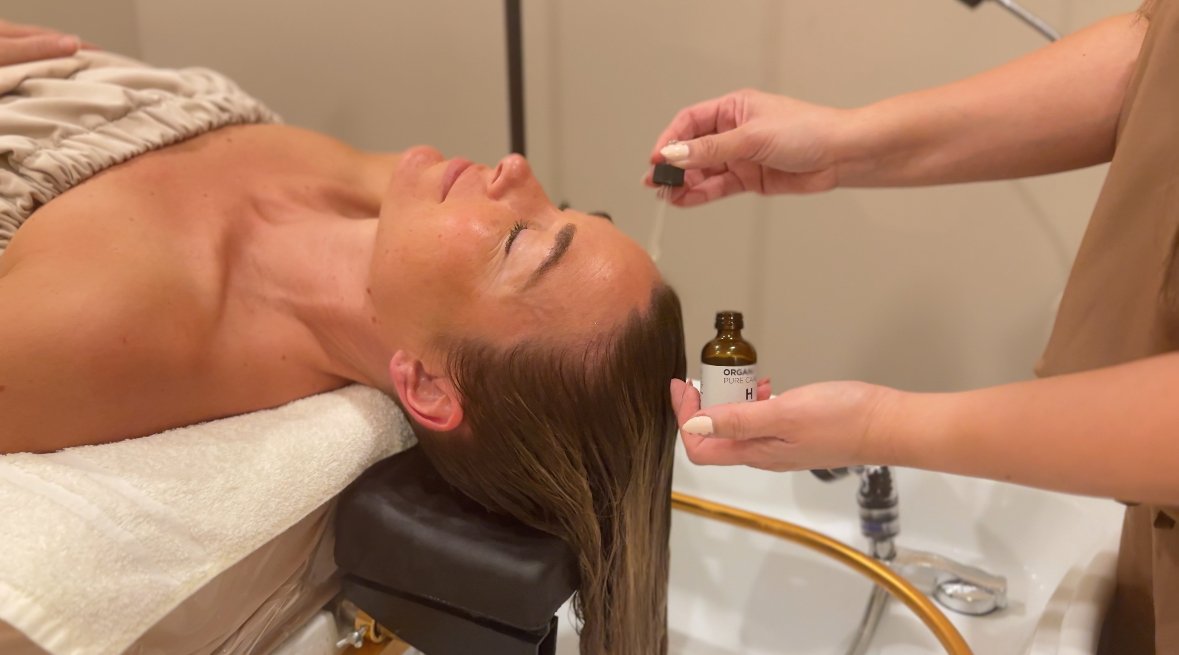
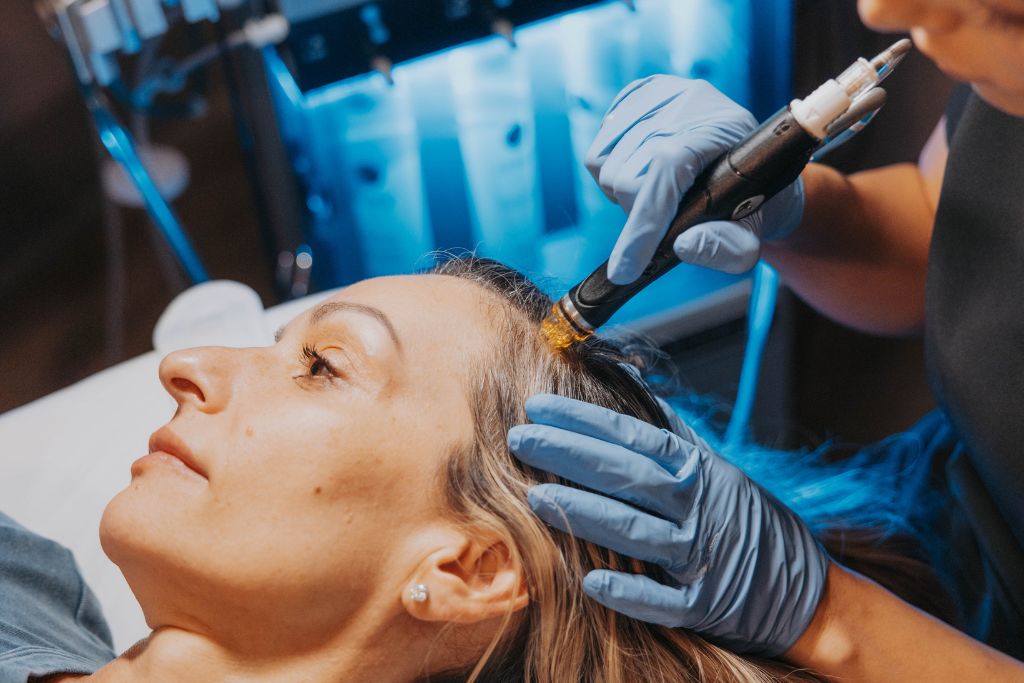
Potential Benefits and Limitations of PRP
For selected patients, PRP may help:
- Improve hair density in areas affected by certain types of thinning.
- Reduce hair shedding in some cases.
- Support hair restoration as part of a broader treatment plan.
- Offer a treatment option that uses platelets prepared from the patient's own blood.
- Complement other hair loss treatments when recommended by a clinician.
PRP cannot guarantee new hair growth, restore every area of hair loss or permanently stop hair thinning. Its effectiveness depends on the diagnosis, the extent of hair loss and individual response.
Who May Consider PRP for Hair Loss?
PRP may be considered for some people with pattern hair loss or thinning hair after a clinical assessment. Suitability depends on factors such as the type and duration of hair loss, scalp health, medical history and previous treatments.
A dermatologist may recommend further evaluation if hair loss is sudden, patchy, associated with scalp inflammation or accompanied by other symptoms. Depending on the findings, blood tests or other investigations may be appropriate.
PRP is not a substitute for treating underlying causes such as thyroid disorders, nutritional deficiencies, scalp infections or other medical conditions.
What Happens During PRP Hair Treatment?
Step 1: Hair and scalp assessment
Your dermatologist reviews your hair loss pattern, medical history, scalp condition and treatment goals.
Step 2: Blood collection
A small sample of blood is drawn from your arm.
Step 3: PRP preparation
The blood sample is processed using a centrifuge to separate and concentrate the platelet-rich plasma.
Step 4: Scalp injections
The prepared PRP is injected into selected areas of the scalp according to the treatment plan.
Step 5: Follow-up
Your clinician reviews your response and discusses whether additional sessions or maintenance treatment may be appropriate.
The number and frequency of sessions vary. A treatment course may involve several sessions over a period of months, followed by reassessment.
PRP does not produce instant hair growth. Some patients may begin noticing changes after a few months, while others see limited improvement or no meaningful response.
Hair growth cycles are slow, so progress is assessed over time. Your dermatologist can explain what improvement may be realistic for your type of hair loss and whether other treatments should be considered.
PRP Risks and Safety
PRP uses a component of your own blood, but the procedure is not risk-free. Temporary scalp pain, tenderness, swelling, bruising, headache or irritation may occur. Infection is possible if appropriate sterile procedures are not followed.
Tell your clinician about your medical conditions, medicines, bleeding or platelet disorders, and any history of fainting or reactions during blood collection. Your clinician can assess whether PRP is suitable for you.
PRP Hair Treatment Consultation in Mira Road
SkinHealth Clinic in Mira Road offers dermatology consultations for people experiencing hair fall, hair thinning and other scalp concerns. If you are searching for PRP hair treatment in Mira Road or Mumbai, arrange an assessment to discuss the cause of your hair loss and suitable treatment options.
Contact SkinHealth Clinic to enquire about an appointment with Dr. Safa Patrick and confirm the availability of PRP therapy.
Phone: +91 79778 64622 / +91 91670 30201