
Chemical peel treatment is a dermatological procedure that uses carefully selected chemical solutions to exfoliate the skin and improve concerns such as uneven skin tone, dullness, certain types of acne and pigmentation. At SkinHealth Clinic in Mira Road, Dr. Safa Patrick can assess your skin concerns and discuss whether a chemical peel is suitable for your skin type and goals.
Depending on the formulation and depth of the peel, treatment may help improve the appearance of dark spots, acne marks, rough texture, sun-related discoloration and selected signs of skin ageing. The peel is selected according to your skin condition, sensitivity and medical history.
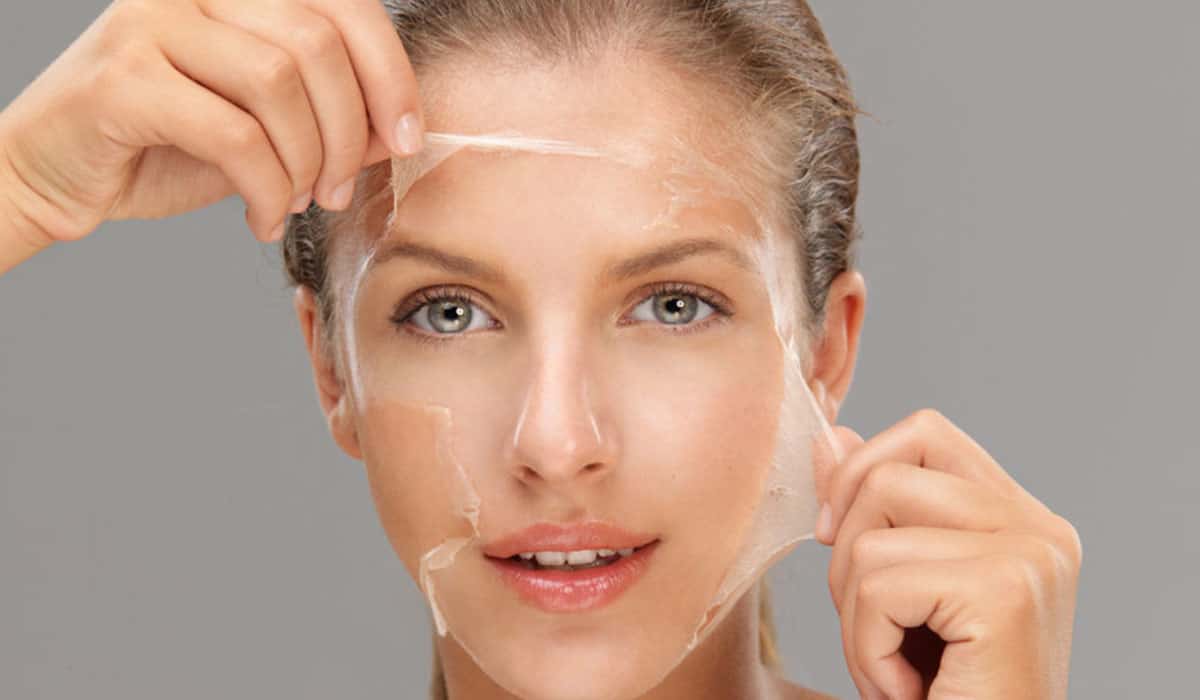
Chemical peels vary in strength and recovery time. Some may cause temporary redness, dryness or peeling, while stronger peels can require more recovery time. Results differ from person to person, and multiple sessions may be recommended for selected concerns.
Why Choose SkinHealth Clinic?
- Personalized skin assessment: Treatment selection based on your concerns and skin type.
- Dermatologist-led guidance: Advice on suitability, potential benefits and possible side effects.
- Concern-specific treatment planning: Options may be considered for selected pigmentation, acne and texture concerns.
- Skin preparation and aftercare: Guidance to support healing and reduce the risk of complications.
- Realistic expectations: Discussion of likely outcomes, limitations and alternative treatments.
Potential Benefits and Suitable Concerns
Depending on the peel used and the condition being treated, chemical peels may help:
- Improve the appearance of selected dark spots and uneven pigmentation.
- Reduce the appearance of some acne marks and superficial blemishes.
- Improve rough or uneven skin texture.
- Refresh a dull-looking complexion.
- Soften the appearance of some fine lines and sun-related skin changes.
Chemical peels do not remove every type of acne scar or pigmentation. Deeper scars and persistent melasma may need a different or combined treatment approach.
Selected peels may help improve certain types of pigmentation. The cause of dark spots should be assessed first, as melasma, post-inflammatory pigmentation and sun spots may respond differently.
Certain chemical peels may be useful for selected acne-prone skin and superficial post-acne marks. Active acne and deeper, indented acne scars may require additional treatment.
A suitable peel may improve surface texture and the appearance of uneven tone, helping the skin look fresher as it heals.
Some peels can improve selected superficial signs of ageing and sun damage. The appropriate peel depends on the severity of the concern and the individual's skin.
Chemical Peel Treatment Steps
Step 1: Skin consultation
Your dermatologist reviews your skin concerns, medical history, current skincare products and previous treatments.
Step 2: Peel selection
The formulation and strength are selected according to the condition being treated, skin sensitivity and risk of pigmentation changes.
Step 3: Treatment
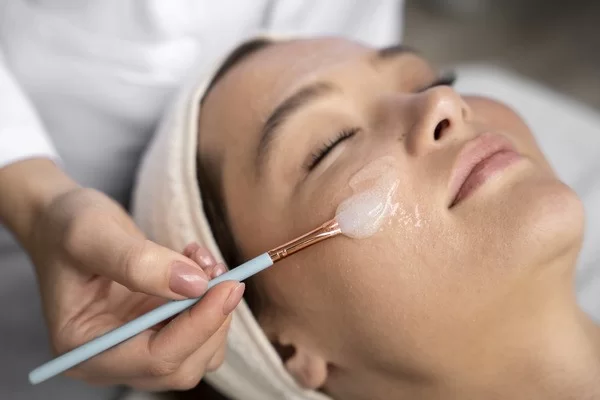
The skin is prepared and the peel is applied according to the selected protocol. Temporary tingling, stinging or redness may occur.
Step 4: Aftercare
You receive instructions on cleansing, moisturising, sun protection and when to resume active skincare products.
Step 5: Follow-up
Your dermatologist assesses your response and advises whether further sessions or another treatment may be appropriate.
Skin Type and Safety
People with Indian and other darker skin tones can be more susceptible to post-inflammatory pigmentation after skin irritation. Chemical peel selection should therefore be individualized, with particular attention to peel strength, skin sensitivity and aftercare.
Do not use strong chemical peel products at home without professional supervision. Incorrect use can cause chemical burns, infection, scarring and changes in skin colour.
Chemical Peel Aftercare
After a chemical peel, follow the instructions provided by your dermatologist. General guidance may include:
- Use a gentle cleanser and recommended moisturiser.
- Apply broad-spectrum sunscreen as directed.
- Avoid picking, rubbing or peeling flaking skin.
- Pause exfoliating acids, retinoids and other irritating products until your dermatologist advises you to restart them.
- Avoid excessive sun exposure while the skin is recovering.
- Contact your clinic if you develop severe pain, blistering, increasing swelling or unexpected skin changes.
Recovery varies with the depth of the peel. Do not assume every peel has minimal downtime.
Chemical Peel Consultation
SkinHealth Clinic in Mira Road provides dermatology consultations for people exploring chemical peels for selected skin concerns. If you live in Mira Road or nearby areas, book a consultation to discuss your skin, treatment suitability and expected recovery.
Book a Consultation
Contact SkinHealth Clinic to enquire about chemical peel treatment with Dr. Safa Patrick.
Phone: +91 79778 64622 / +91 91670 30201