
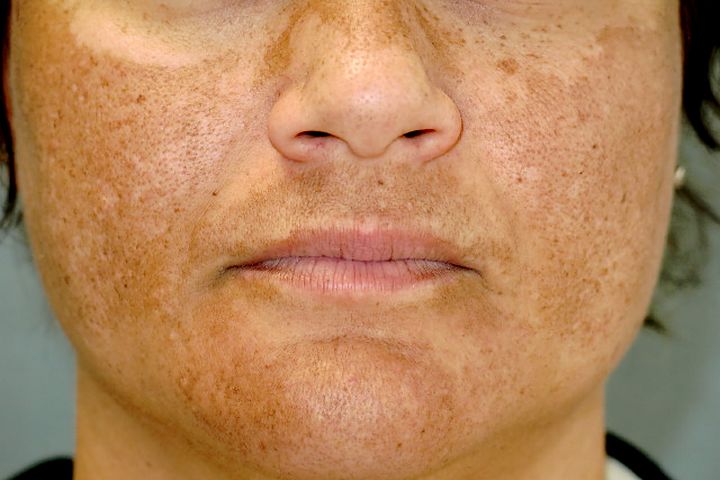
Melasma and hyperpigmentation are common skin concerns that can cause brown, grey-brown or darker patches on the face. They may develop due to sun exposure, hormonal changes, inflammation, acne and other factors.
At SkinHealth, pigmentation concerns are evaluated by a dermatologist to understand the pattern, possible triggers and severity. Treatment is personalized according to skin type and underlying cause, and may include prescription creams, sun protection, chemical peels, laser-based treatments and other dermatologist-guided procedures.
Melasma and Hyperpigmentation Treatment in Mira Road
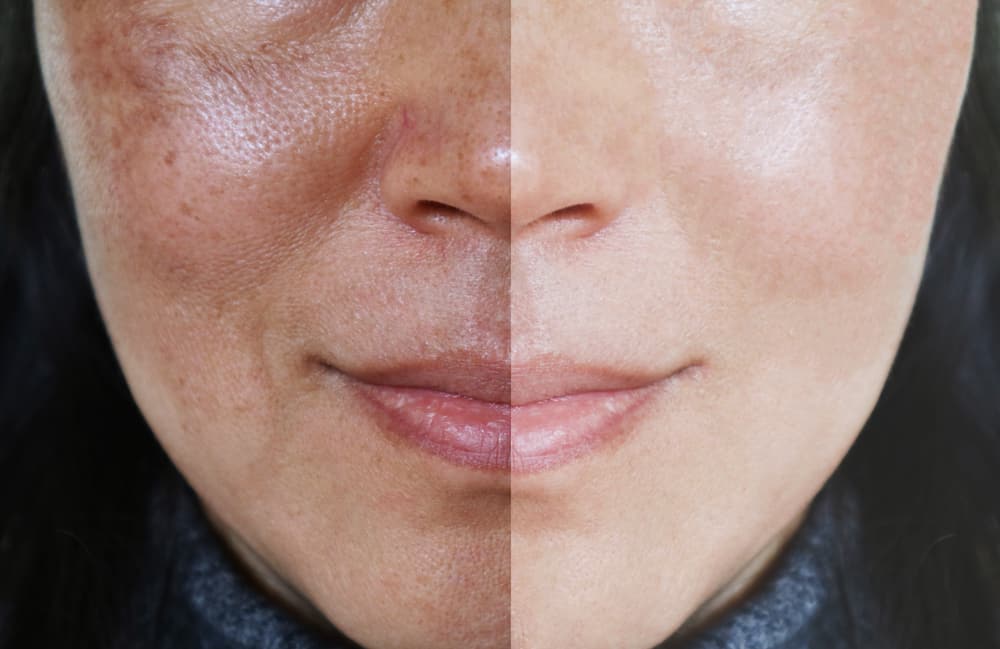
Melasma commonly appears as symmetrical brown or grey-brown patches on the cheeks, forehead, upper lip, nose and chin. It can be influenced by sunlight, visible light, hormonal factors and individual susceptibility.
Hyperpigmentation is a broader term for darker areas of skin. Common causes include acne and acne marks, sun exposure, melasma, skin inflammation or injury, post-inflammatory pigmentation, and certain medicines or medical conditions.
Correct diagnosis helps determine appropriate treatment.
Treatment Options for Pigmentation
Depending on diagnosis, topical medicines may help reduce excess pigmentation and improve uneven tone. These should be selected according to skin type and condition.
Sun protection is essential. A dermatologist may recommend broad-spectrum sunscreen, regular reapplication, protective clothing, hats or physical barriers, and additional visible-light protection when appropriate.
Selected chemical peels can improve pigmentation and uneven tone. Laser or light-based procedures may be considered for selected concerns, but are not appropriate for everyone and can increase pigmentation in some skin types without suitable individualization.
A suitable skincare routine can support management according to pigmentation pattern and tolerance.
Why Choose SkinHealth for Pigmentation Treatment?
- Dermatologist-led pigmentation assessment
- Evaluation of underlying cause
- Personalized treatment for skin type and condition
- Medical and procedural options when appropriate
- Guidance on sunscreen and photoprotection
- Management plans for recurrent pigmentation
- Follow-up to monitor response
Appropriate treatment may reduce dark patches, improve uneven tone and post-acne marks, and reduce recurrence factors. Results vary with pigmentation type, skin type, treatment and consistency with prescribed care.
Melasma, Recurrence and When to Seek Advice
Melasma can be chronic and recurrent. Sunlight, visible light, hormonal influences and other triggers can contribute to recurrence, so management often combines pigmentation control and long-term maintenance.
See a dermatologist if pigmentation is persistent, worsening, suddenly developing, repeatedly returning, not responding to over-the-counter products, or you are considering peels or lasers.
SkinHealth provides dermatologist-led treatment in Mira Road for melasma, post-inflammatory pigmentation and other facial pigmentation concerns.
Frequently Asked Questions
Book a Pigmentation Consultation at SkinHealth
If you are struggling with melasma, dark patches or persistent pigmentation, professional diagnosis is an important first step.
Book a consultation at SkinHealth by Dr. Safa Patrick in Mira Road for dermatologist-led assessment and a personalized pigmentation treatment plan.