
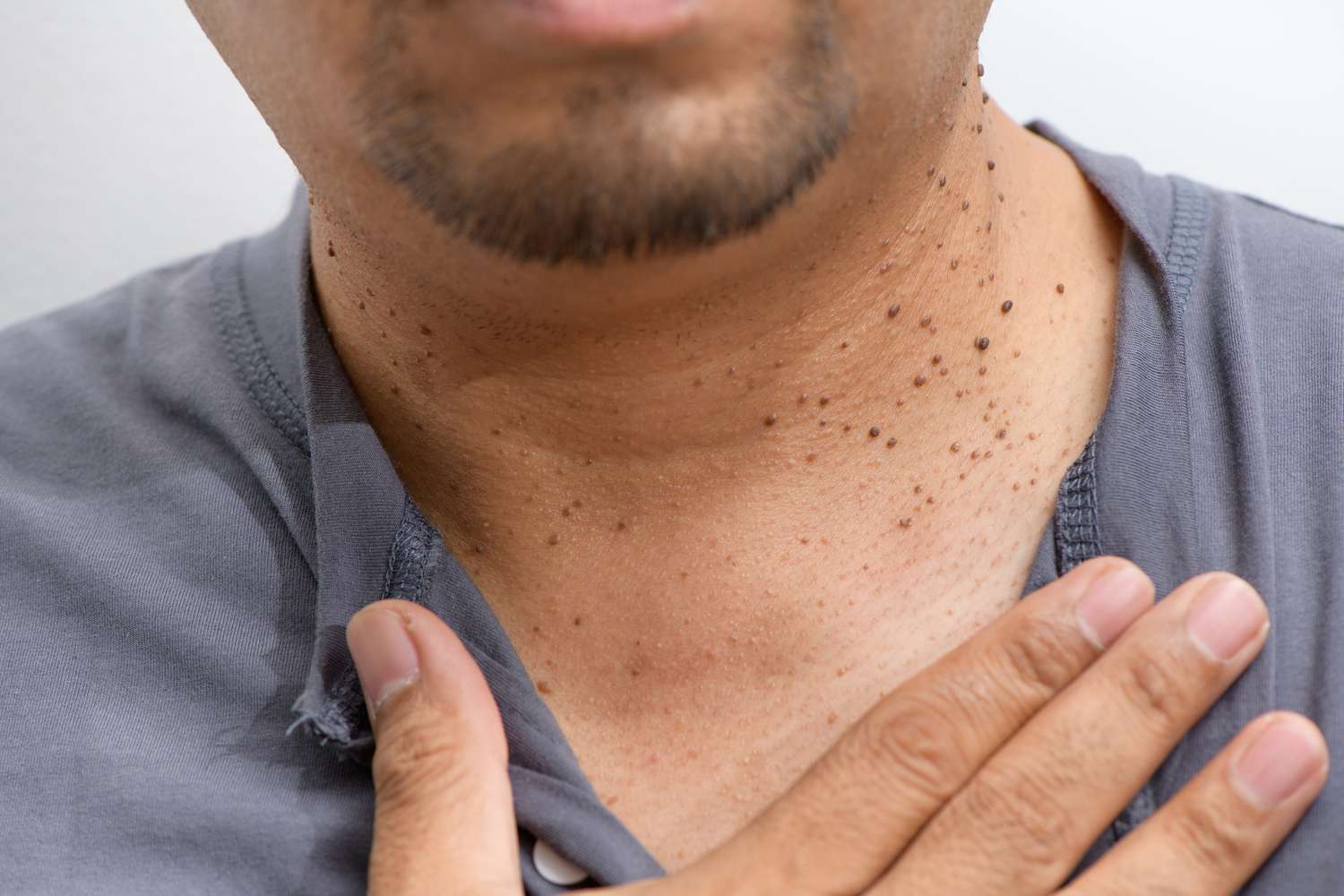
Skin tags are small, soft growths that commonly develop on the neck, underarms, eyelids, groin and other areas where skin rubs against skin or clothing. They are usually harmless, but they may become irritated, catch on jewellery or clothing, or cause cosmetic concerns.
At SkinHealth Clinic in Mira Road, Dr. Safa Patrick can assess the growth and discuss appropriate removal options if treatment is suitable. Depending on its size, location and appearance, removal may involve a sterile snip procedure, cautery or another suitable technique.
Before removal, it is important to confirm that the growth is actually a skin tag. Warts, moles and other skin lesions can sometimes look similar and may need a different approach. Treatment is planned according to the individual lesion and the area being treated.
Why Consult SkinHealth Clinic?
- Professional assessment: Check whether the growth is consistent with a skin tag before treatment.
- Suitable removal options: The technique is selected according to the growth's size and location.
- Attention to sensitive areas: Eyelid and facial growths require particular care.
- Aftercare guidance: Learn how to care for the treated area while it heals.
- Individualized advice: Discuss possible scarring, pigmentation changes, bleeding and other risks.
Potential Benefits of Skin Tag Removal
When removal is appropriate, it may help:
- Reduce irritation caused by rubbing against clothing or jewellery.
- Remove a growth that catches during shaving or everyday activities.
- Improve the appearance of the treated area.
- Address discomfort caused by an irritated skin tag.
- Provide reassurance after a clinician has assessed the growth.
Removal can cause temporary tenderness, bleeding, scabbing, changes in skin colour or scarring. A scar-free result cannot be guaranteed.
Skin Tags in Different Areas
Neck skin tags may catch on chains, collars or clothing. A clinician can assess the growth and discuss an appropriate removal method.
Skin tags in the underarms may become irritated by friction, shaving or clothing. The technique depends on the number, size and location of the growths.
Growths near the eyes require particular care because of the sensitive location. A clinician should assess eyelid growths before any removal is considered.
Skin tags can also develop beneath the breasts, in skin folds and around the groin. The appropriate approach depends on the exact location and clinical assessment.
Skin Tag Removal Methods
The clinician chooses the method based on the growth and its location. Possible methods include:
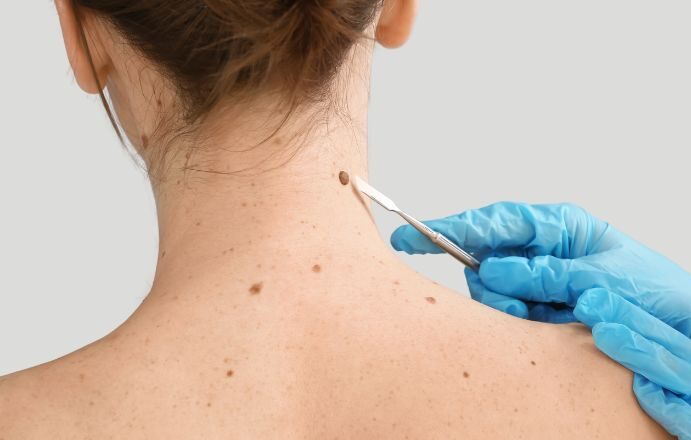
Snip removal: A small skin tag may be removed using sterile instruments after appropriate preparation and, when needed, local anaesthesia.
Cautery or electrodesiccation: Heat or electrical energy may be used to remove selected skin tags.
Other suitable methods: Freezing or another technique may be considered where appropriate and available.
Not every method is suitable for every growth. The clinician will explain the recommended procedure, expected healing and potential risks before treatment.
What to Expect and Aftercare
The experience depends on the technique, the size of the growth and its location. Local anaesthesia may be used for some procedures. Temporary discomfort, mild bleeding, scabbing or redness may occur.
Healing time varies. Follow the aftercare instructions provided by your clinician, keep the area clean as advised and avoid picking at any scab.
Avoid Removing Skin Tags at Home
Do not cut, tie off or burn a skin tag at home. Home removal can cause bleeding, infection, scarring and delayed diagnosis of a growth that is not actually a skin tag.
Can Skin Tags Return?
A removed skin tag generally does not grow back in the same spot, but new skin tags can develop in other areas. Removal does not prevent future skin tags from appearing.
When to Arrange a Medical Assessment
If you suddenly develop many new skin tags, or a growth changes in size, colour or shape, becomes painful or starts bleeding, arrange a medical assessment.
SkinHealth Clinic in Mira Road
SkinHealth Clinic is located in Mira Road East and provides dermatology consultations for people seeking assessment of skin tags and other skin growths.
Clinic: SkinHealth by Dr. Safa Patrick
Address: Shop No. 1, Aakruti Elegance, Above UCO Bank, Ramdev Park, Mira Road East, Maharashtra 401107.
Hours: Monday–Saturday, 12 PM–9 PM, as provided by the clinic.
Contact SkinHealth Clinic to enquire about an appointment with Dr. Safa Patrick and confirm the availability of the appropriate removal procedure.
Phone: +91 79778 64622 / +91 91670 30201