
Experiencing pain while walking because of a hard, thickened patch of skin on your toe or foot? It could be corn, a small area of hardened skin that develops due to repeated pressure or friction.
At SkinHealth Clinic in Mira Road, you can consult about persistent corns and other thickened skin concerns to determine the appropriate treatment. Depending on the diagnosis, management may involve professional removal of excess thickened skin, pressure-relieving measures and advice on footwear.
If you are searching for corn removal in Mira Road or corn treatment in Mumbai, identifying the cause of repeated pressure is important to help reduce discomfort and the chance of recurrence.
A corn is a localised area of thickened skin that develops in response to repeated pressure or friction. Corns commonly occur on the tops or sides of toes and on pressure points of the feet.
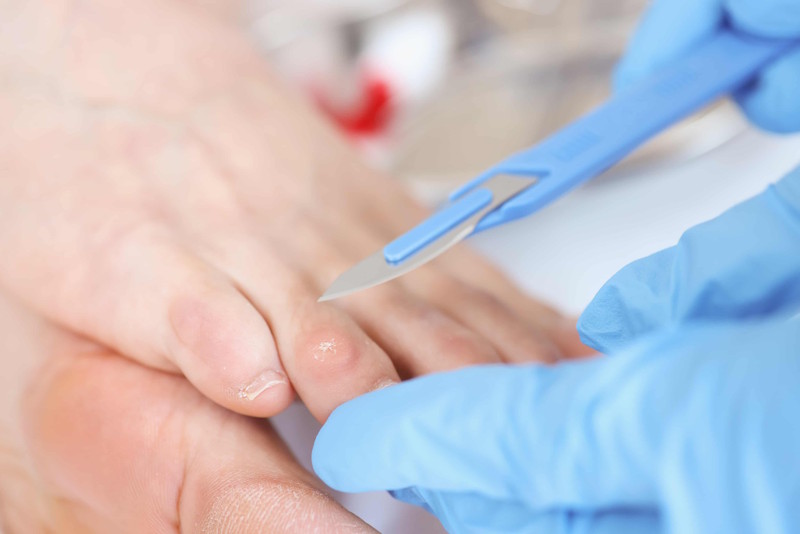
They may appear as small, hard, round areas of thickened skin and can cause tenderness when pressure is applied. Soft corns may develop between toes where moisture and friction are present.
Corns are different from plantar warts and other skin conditions, which can sometimes look similar. A proper assessment helps determine the correct treatment.
Common Causes of Corns
Common causes include:
- Wearing tight or poorly fitting shoes.
- Repeated friction between the toes and footwear.
- Pressure over prominent areas of the toes.
- Wearing high heels or shoes with narrow toe boxes.
- Walking or standing for prolonged periods in unsuitable footwear.
- Toe deformities or changes in foot structure.
- Repeated pressure during sports or physical activities.
Unless the source of pressure is addressed, a corn may return even after the thickened skin has been removed.
Common Signs of Corns
Common signs include:
- A small, firm patch of thickened skin.
- Pain or tenderness when walking or wearing shoes.
- A hard central area within the thickened skin.
- Discomfort when direct pressure is applied.
- Corns between the toes that may feel soft because of moisture.
If a lesion is bleeding, ulcerated, rapidly changing or unusually painful, it should be examined rather than assumed to be a corn.
Corn Treatment and Pressure Relief
Treatment depends on the location, thickness, discomfort and underlying cause of the corn.
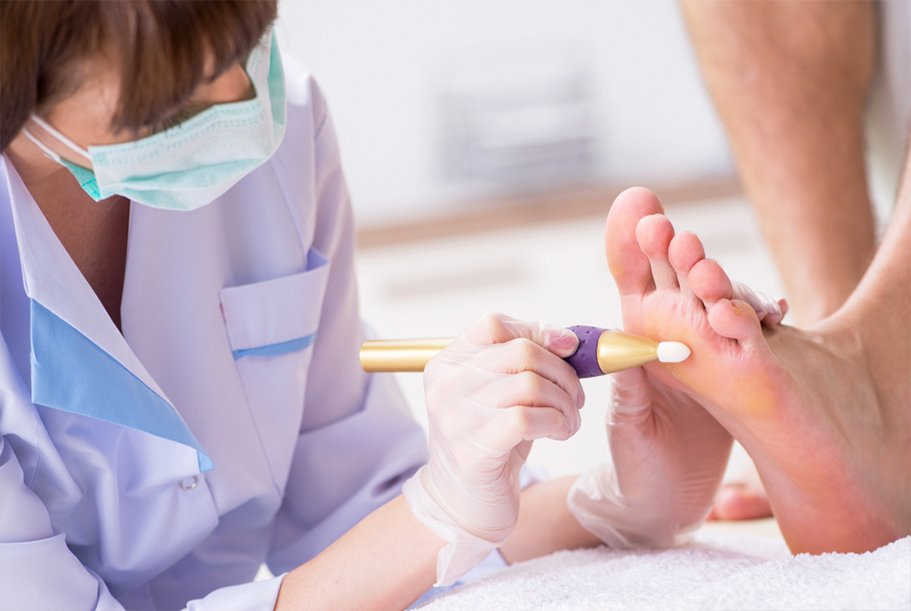
A trained healthcare professional may carefully reduce the excess thickened skin when appropriate. This can help relieve pressure-related discomfort, but the corn may recur if the cause is not corrected.
Reducing friction and pressure is an important part of managing corns. Depending on the location, recommendations may include:
- Wider, well-fitting footwear.
- Cushioned insoles or suitable padding.
- Toe protection where appropriate.
- Adjustments to activities that repeatedly irritate the area.
- Assessment of foot alignment or toe deformities if necessary.
If a corn keeps returning, the clinician may assess whether footwear, foot structure or repeated pressure is contributing to the problem. Persistent cases may require further evaluation or referral to an appropriate foot-care specialist.
People with diabetes, reduced foot sensation or poor circulation need particular care. Thickened skin can break down and develop into an ulcer, and even a small injury may lead to complications.
Care for Diabetes, Poor Circulation, or Reduced Sensation
Do not cut, shave or chemically treat a corn yourself if you have diabetes, poor circulation or reduced sensation. Seek professional medical advice for foot corns and calluses.
The experience depends on the thickness and location of the corn and the treatment method. Professional reduction of excess hardened skin may relieve pressure-related discomfort, but tenderness can occur.
The aim is to treat the corn appropriately while protecting the surrounding healthy skin. Results and comfort vary from person to person.
Yes. Corns can return if pressure or friction continues. Removal of the thickened skin may provide relief, but prevention also requires suitable footwear, pressure reduction and attention to any underlying foot-structure problem.
If the same corn repeatedly returns, an assessment can help identify the cause and determine whether additional treatment is needed.
Reducing the Risk of Corns
You can reduce the risk of developing corns by:
- Choosing shoes with enough room for your toes.
- Avoiding footwear that repeatedly rubs against the skin.
- Using suitable cushioning or padding when recommended.
- Keeping your feet clean and moisturised.
- Avoiding self-cutting or aggressive filing of thickened skin.
- Seeking professional advice if a corn is painful or recurrent.
People with diabetes or circulation problems should obtain medical guidance before attempting any home treatment.
When to Seek Professional Assessment
Consider professional assessment if:
- The corn causes pain while walking.
- It keeps returning despite footwear changes.
- You are unsure whether the lesion is a corn or a wart.
- The area becomes red, swollen or warm.
- There is discharge, bleeding or an open wound.
- You have diabetes, poor circulation or reduced sensation in your feet.
Seek prompt medical care if you notice a foot wound, spreading redness, pus or other signs of infection.
Corn Removal Consultation in Mira Road
If you are searching for corn removal in Mira Road or Mumbai, contact SkinHealth Clinic to enquire about assessment and treatment options for painful corns and pressure-related thickened skin.
The recommended approach depends on the diagnosis, your foot health and the cause of the pressure. Treatment and prevention should be planned together to help manage discomfort and reduce recurrence.
Book a consultation to discuss your foot corn and suitable treatment options.
Contact SkinHealth Clinic in Mira Road to enquire about an assessment for a painful corn and confirm the treatment services currently available.
Additional Information About Corn Treatment
Corns develop due to repeated pressure or friction, commonly from tight footwear, rubbing between toes or pressure over prominent areas of the foot.
A healthcare professional may carefully reduce the excess thickened skin when appropriate. Pressure relief and footwear changes are also important to reduce recurrence.
Discomfort varies according to the corn and the method used. Professional treatment aims to reduce excess thickened skin while protecting the surrounding tissue.
Yes. Corns may recur if the pressure or friction that caused them continues. Appropriate footwear and pressure-relieving measures can help reduce the risk.
Corns are usually associated with pressure points and friction, while plantar warts are caused by a viral infection. Their appearance can overlap, so professional examination may be needed.
Avoid cutting or shaving a corn yourself. People with diabetes, poor circulation or reduced sensation should not self-treat corns and should seek professional medical care.
Some medicated corn-removal products contain acids that can damage surrounding skin. They may be unsuitable for people with diabetes, poor circulation or reduced sensation. Seek medical advice before using them if you have any of these risk factors.
A corn can become painful when body weight or footwear presses against the thickened skin. Reducing pressure and treating the affected area may help relieve discomfort.
Yes. Shoes that squeeze the toes or repeatedly rub against the skin can contribute to corn formation. Footwear with sufficient toe space may help prevent further pressure.
People with diabetes should have corns and calluses assessed by a healthcare professional rather than trying to remove them at home. Diabetes can increase the risk of foot wounds and infection.
Frequently Asked Questions About Corns
Additional Corn Treatment Information
Treating a painful corn and reducing pressure may improve walking comfort, but the outcome depends on the cause and severity. Persistent pressure or a foot deformity may require additional management.
A dermatologist or an appropriately trained foot-care professional can assess a suspected corn and recommend suitable treatment. Some cases may require referral for assessment of foot mechanics or deformity.
Contact SkinHealth Clinic using its verified phone number or appointment channel to enquire about available services and arrange a consultation.