
Looking for a skin biopsy in Mira Road? SkinHealth by Dr. Safa Patrick provides dermatologist-led evaluation and skin biopsy procedures when a skin lesion, rash, mole, growth or other skin condition requires examination under a microscope.
A skin biopsy involves removing a small sample of skin and sending it for histopathological examination. The biopsy can help a dermatologist identify or confirm the cause of a skin condition and guide further treatment.
What Is a Skin Biopsy?
A skin biopsy is a procedure in which a dermatologist removes a small sample of skin for laboratory examination.
A biopsy may be recommended when the appearance of a skin condition alone is not enough to establish a diagnosis.
Depending on the suspected condition and location, different biopsy techniques may be considered.
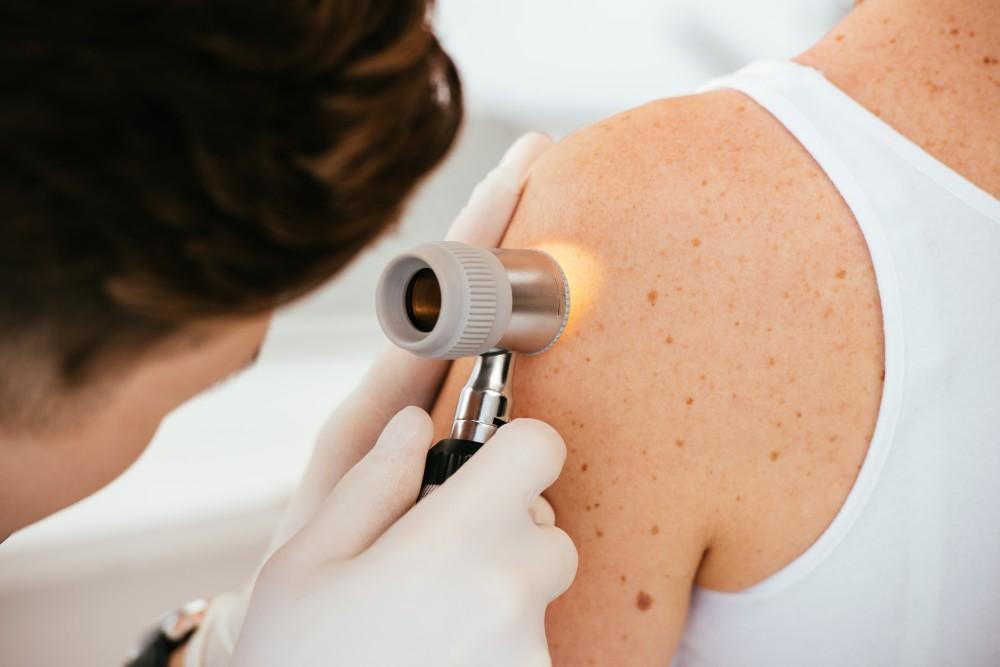
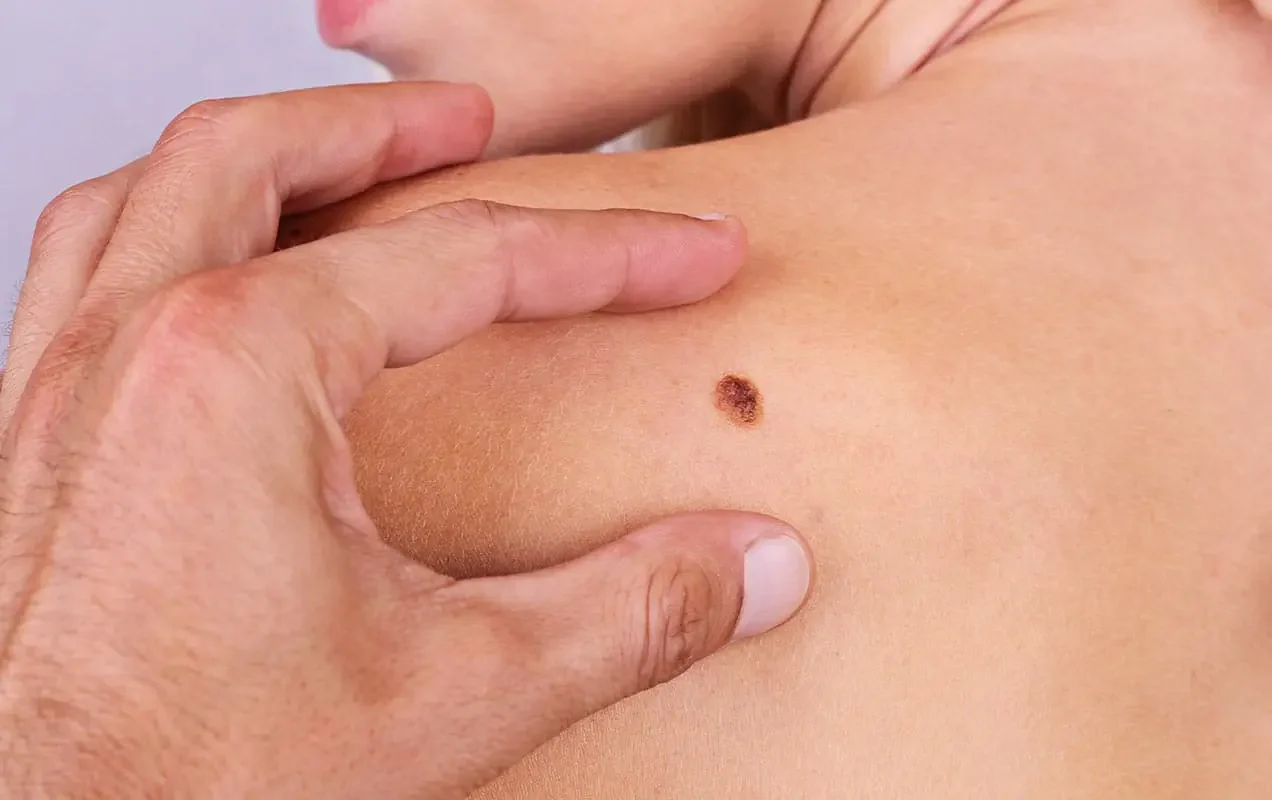
Why Is a Skin Biopsy Done?
A dermatologist may recommend a skin biopsy to evaluate:
- Unexplained skin lesions
- Persistent rashes
- Changing moles
- Suspicious growths
- Pigmented lesions
- Unusual skin thickening
- Chronic inflammatory skin conditions
- Suspected autoimmune skin disorders
- Certain infections
- Possible skin cancer
- Lesions that are difficult to diagnose clinically
A biopsy does not automatically mean that cancer is suspected. It is a diagnostic tool used for many different skin conditions.
Types of Skin Biopsy
The appropriate technique depends on the lesion, suspected diagnosis, size and location.
Punch Biopsy
A punch biopsy removes a small, round section of skin using a specialised circular instrument.
It may be used for inflammatory skin conditions, rashes and other lesions where a sample containing different layers of skin is needed.
Shave Biopsy
A shave biopsy removes a superficial portion of a skin lesion.
It may be suitable for selected superficial lesions depending on the clinical assessment.
Excisional Biopsy
An excisional biopsy involves removing the entire lesion along with a margin of surrounding skin when clinically appropriate.
The removed tissue is then sent for histopathological examination.
Incisional Biopsy
An incisional biopsy removes only part of a larger lesion when removing the entire lesion at that time may not be appropriate.
How Is a Skin Biopsy Performed?
The procedure generally involves several steps:
1. Dermatological Examination
Dr. Safa Patrick examines the skin lesion and discusses your symptoms, medical history and concerns.
2. Choosing the Biopsy Technique
The biopsy method is selected according to the lesion and the suspected diagnosis.
3. Local Anaesthesia
A local anaesthetic is generally used to numb the area before the procedure.
You may feel a brief sting during administration of the anaesthetic, but the biopsy area should be numb during the procedure.
4. Skin Sample Removal
The required portion of skin is carefully removed using the selected biopsy technique.
5. Wound Closure
Depending on the biopsy type and size, the area may be left to heal naturally or closed with sutures.
6. Laboratory Examination
The tissue sample is sent to a pathology laboratory for histopathological examination.
The pathology report helps the dermatologist correlate the microscopic findings with your clinical examination.
Is a Skin Biopsy Painful?
A skin biopsy is usually performed under local anaesthesia.
The injection of local anaesthetic may cause a brief stinging sensation. Once the area is numb, you should not feel sharp pain during the biopsy, although pressure or movement may still be noticeable.
After the anaesthetic wears off, some soreness or tenderness may occur.
How Long Does a Skin Biopsy Take?
The actual biopsy procedure is usually relatively short, although the total appointment time depends on the lesion, biopsy technique and preparation required.
Your dermatologist can explain the expected procedure time during consultation.
Skin Biopsy Recovery and Aftercare
After a biopsy, you will receive wound-care instructions based on the procedure performed.
Aftercare may include:
- Keeping the area clean
- Following dressing instructions
- Applying prescribed or recommended wound-care products
- Avoiding unnecessary friction or trauma
- Keeping follow-up appointments when required
- Returning for suture removal if stitches were used
Healing time varies depending on the biopsy technique, location and size of the wound.
When Will I Get My Skin Biopsy Results?
The tissue is examined by a pathologist and a histopathology report is prepared.
The time required can vary depending on the type of examination and whether additional laboratory studies are required.
Your dermatologist can explain the report and discuss the next steps after the result is available.
Does Every Mole or Rash Need a Biopsy?
No.
Many skin conditions can be diagnosed through clinical examination without a biopsy. A biopsy is recommended when the dermatologist believes tissue examination will provide useful diagnostic information.
The decision depends on the appearance of the lesion, its history, changes over time and the suspected diagnosis.
When Should You See a Dermatologist?
A dermatologist should evaluate a skin lesion that is:
- Changing in size, shape or colour
- Persistently bleeding
- Crusting repeatedly
- Not healing
- Growing progressively
- Associated with persistent symptoms
- New and unusual in appearance
- Different from your other moles or lesions
A dermatologist can determine whether observation, treatment or biopsy is appropriate.
Skin Biopsy for Suspected Skin Cancer
A biopsy is an important diagnostic procedure when skin cancer is suspected.
A suspicious lesion may require tissue examination to establish the diagnosis and determine the appropriate next step.
A biopsy itself does not mean that a lesion is cancerous. The diagnosis depends on the clinical evaluation and pathology findings.
Why Choose SkinHealth for Skin Biopsy in Mira Road?
At SkinHealth, skin biopsy is considered as part of a complete dermatological evaluation.
Dr. Safa Patrick assesses the lesion, discusses the reason for biopsy and selects an appropriate technique when tissue examination is clinically indicated.
The biopsy report can then be interpreted alongside the clinical findings to help determine appropriate management.
Frequently Asked Questions About Skin Biopsy
Book a Skin Biopsy Consultation in Mira Road
If you have a suspicious mole, persistent rash, unexplained skin lesion or changing growth, a dermatologist can determine whether a skin biopsy is appropriate.
Consult Dr. Safa Patrick at SkinHealth in Mira Road for professional evaluation and skin biopsy when clinically indicated.