What Are the Best Shampoos or Treatments to Make Hair Thicker?
October 19, 2026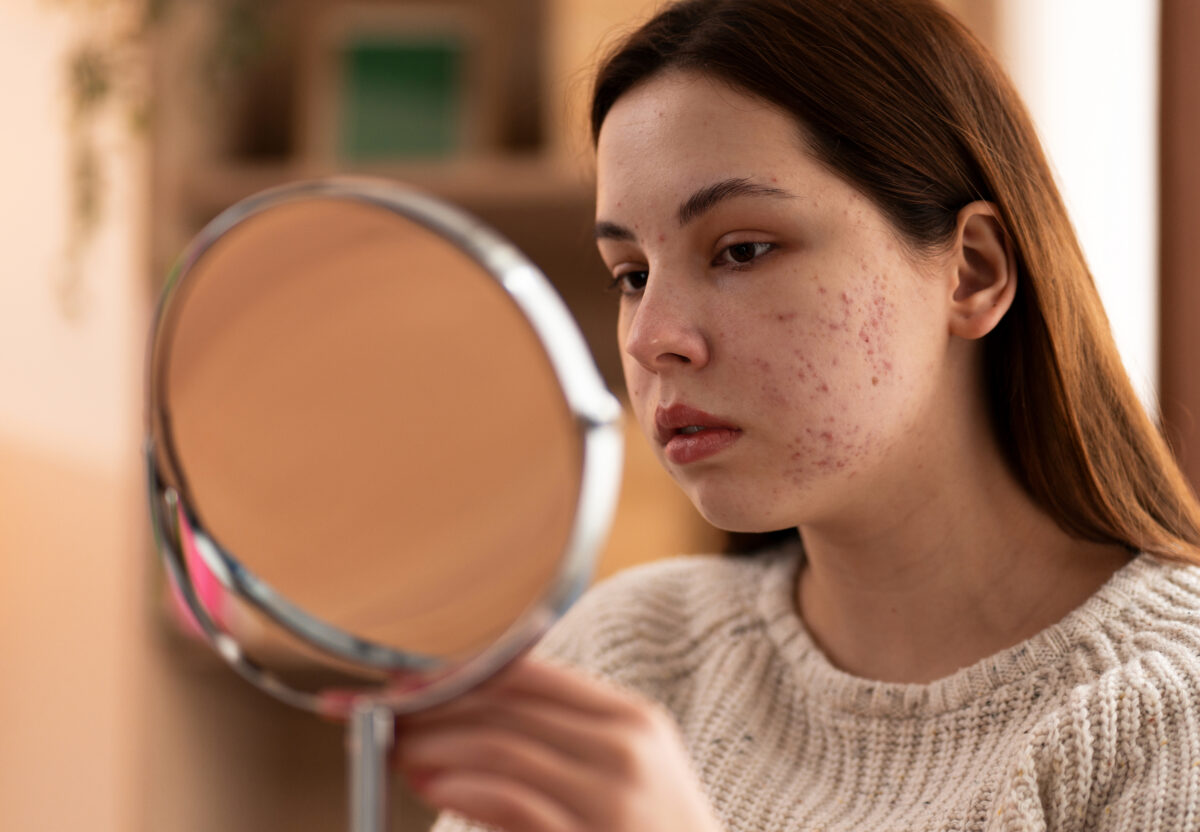
Hormonal acne before or during your period can be frustrating, especially when a new pimple appears just when you want your skin to look its best. The good news is that you can support healthier skin with a gentle skincare routine, non-comedogenic products, healthy habits, and the right treatment for your skin type.
You do not need a complicated 10-step routine or aggressive scrubs to manage menstrual breakouts. Start with a gentle cleanser, a lightweight moisturiser, daily sun protection, and habits that help reduce irritation. If painful pimples keep returning every month, a dermatologist can help you identify the most effective approach.
For people looking for a dermatologist in Mira Road Mumbai, understanding the difference between gentle skincare and evidence-based acne treatment is an important first step towards clearer, healthier skin.
What Is Hormonal Acne, and Why Does It Flare Up During Periods?
Hormonal acne develops when hormonal changes influence oil production, clogged pores, and inflammation. Many people notice more pimples in the days leading up to their period or during menstruation.
Hormonal fluctuations can affect the skin’s sebaceous glands, which produce an oily substance called sebum. When excess oil and dead skin cells block hair follicles, inflammation can develop and lead to pimples.
According to the NHS, changes in hormone levels during the menstrual cycle can contribute to acne. Acne is not simply a result of poor hygiene, so washing your face excessively will not solve the underlying problem.
What Does Period-Related Hormonal Acne Look Like?
Period-related breakouts commonly appear around the chin, jawline, lower cheeks, and sometimes the neck. You may notice deep, tender pimples that return around a similar time each month.
Common signs include:
- Red, inflamed pimples that feel sore when touched.
- Deep bumps beneath the skin’s surface.
- Whiteheads and blackheads alongside inflamed spots.
- Breakouts that follow a recurring menstrual pattern.
- Dark marks left behind after pimples heal.
These signs can suggest hormonal involvement, but they do not confirm a hormonal imbalance. Other forms of acne can look similar, so persistent or severe breakouts deserve professional assessment.
How Can You Prevent Hormonal Acne Without Harsh Chemicals?
The best starting point is a consistent, gentle skincare routine that protects your skin barrier without irritating your skin. Gentle care may reduce avoidable irritation and help manage breakouts, although it cannot always prevent hormonally triggered acne on its own.
Try these practical steps before your next period.
1. Wash Your Face With a Gentle Cleanser
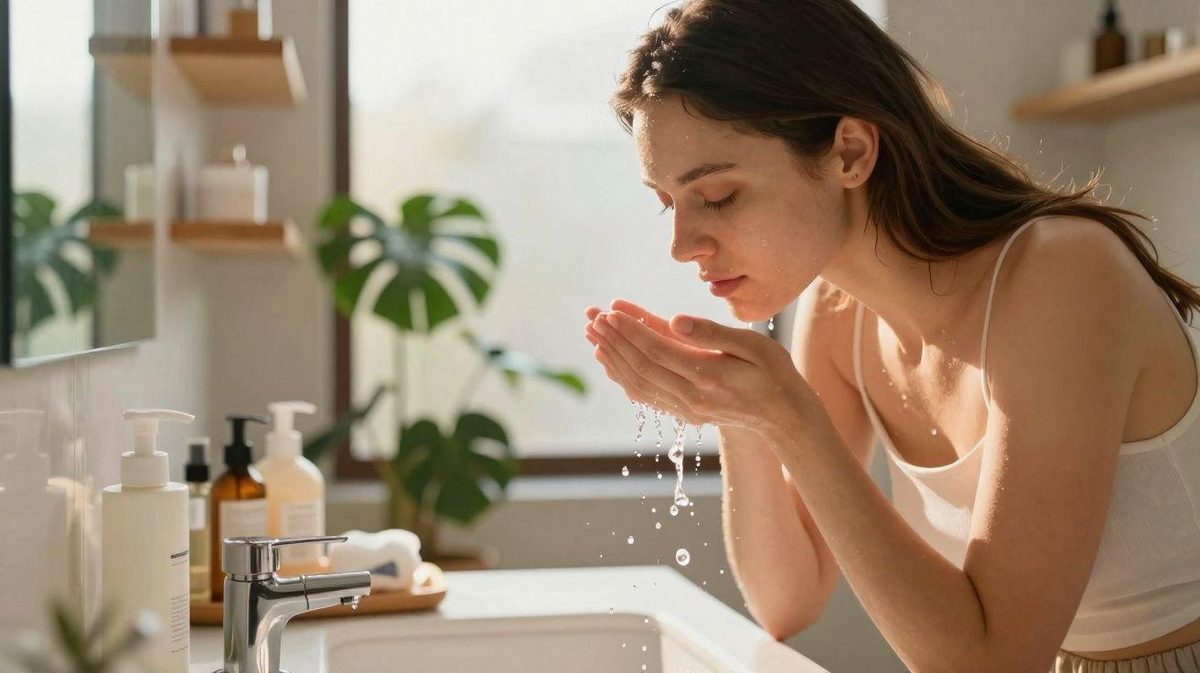
Use a mild, fragrance-free cleanser that removes excess oil, sweat, sunscreen, and makeup without leaving your skin feeling tight or dry.
Wash your face twice daily and after heavy sweating. Use your fingertips and lukewarm water instead of rough brushes or abrasive scrubs. The American Academy of Dermatology recommends gentle, non-abrasive cleansing because excessive friction can irritate acne-prone skin.
Avoid: washing your face repeatedly throughout the day, using very hot water, and scrubbing pimples in an attempt to remove them faster.
Clean skin does not need to feel squeaky or stripped to be healthy.
2. Choose a Lightweight, Non-Comedogenic Moisturiser
Even oily skin needs moisturising. A suitable moisturiser helps maintain the skin barrier and can reduce dryness caused by weather, cleansing, or acne treatments.
Look for products labelled non-comedogenic, meaning they are formulated not to clog pores. A lightweight lotion or gel may suit oily skin, while a cream may feel more comfortable if your skin is dry or sensitive.
Apply moisturiser after cleansing, particularly if your skin feels tight or flaky.
3. Avoid Harsh Scrubs and Over-Exfoliation
Scrubbing harder will not make hormonal acne disappear faster. In fact, abrasive exfoliants and frequent use of strong skincare products can irritate the skin and make existing breakouts more uncomfortable.
Avoid using several exfoliating products at once, especially if you already experience redness, burning, or peeling.
If you prefer a minimal routine, focus on cleansing, moisturising, and sunscreen first. Introduce any acne-targeting ingredient gradually rather than changing your entire routine overnight.
4. Wear Sunscreen Every Day
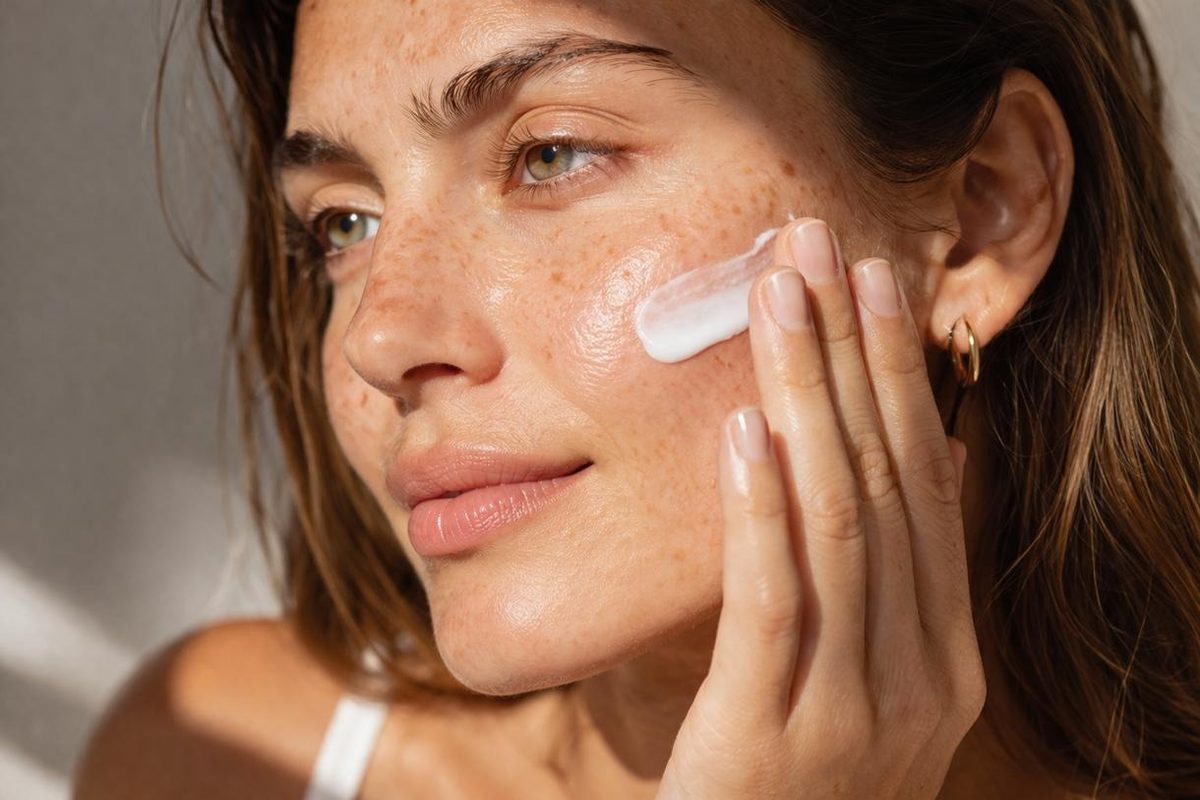
Choose a broad-spectrum sunscreen with SPF 30 or higher that suits acne-prone skin. Sunscreen helps protect your skin from ultraviolet radiation and may help prevent acne-related dark marks from becoming more noticeable.
Apply it as directed on the label, and reapply when needed, especially after sweating or swimming.
If you are prone to post-acne pigmentation, daily sun protection is particularly useful. It will not stop hormonal breakouts directly, but it supports your skin while blemishes heal.
Which Natural Remedies Can Help With Period Acne?
Some simple habits may support overall skin health, but natural does not automatically mean safe or effective. No home remedy has been proven to reliably prevent all hormone-related breakouts.
5. Try a Cold Compress for Swollen Pimples
If a pimple feels swollen or tender, a clean, cool compress may temporarily soothe discomfort.
Wrap a cool compress in a soft, clean cloth and hold it gently against the area for a few minutes. Never apply ice directly to your skin, and do not press or squeeze the pimple.
A cold compress offers temporary comfort; it does not unclog pores or treat the hormonal causes of acne.
6. Be Careful With DIY Face Masks
You may see online recommendations for lemon juice, baking soda, toothpaste, or undiluted essential oils as acne remedies. Avoid experimenting with these ingredients on inflamed skin.
Lemon juice and baking soda can irritate the skin, while concentrated essential oils may cause irritation or allergic reactions. Toothpaste is designed for teeth, not for treating acne.
If you enjoy face masks, choose a commercially formulated product intended for facial skin and stop using it if you experience burning, itching, or redness.
Remember: a natural remedy should never leave your skin stinging or peeling to prove that it is working.
7. Eat Balanced Meals Instead of Following Restrictive Acne Diets
A balanced diet supports general health, but no particular food or diet can guarantee clear skin during menstruation.
Consider including:
- Vegetables and fruits of different colours.
- Whole grains, pulses, and other fibre-rich foods.
- Protein sources such as eggs, beans, lentils, fish, or tofu.
- Nuts and seeds, if suitable for your dietary needs.
- Regular meals instead of extreme dieting.
Some research suggests that a lower-glycaemic-load eating pattern may help certain people with acne. However, dietary evidence remains limited, and individual responses vary. The American Academy of Dermatology’s acne guidelines do not establish a specific diet as a replacement for proven acne treatments.
You do not need to eliminate every sweet or dairy product because of one breakout. If you suspect a food consistently worsens your acne, discuss a balanced approach with a qualified healthcare professional.
8. Get Enough Sleep and Manage Stress
Stress and poor sleep can make it harder to maintain healthy routines and may aggravate acne in some people. However, stress is not the sole cause of hormonal acne.
Try to maintain a regular sleep schedule, take short walks, practise relaxation exercises, and make time for activities that help you unwind.
You cannot control every hormonal fluctuation, and you should not blame yourself for having acne. Focus on manageable habits rather than chasing a perfect lifestyle.
What Should Your Skincare Routine Look Like Before Your Period?
A simple morning and evening routine is often easier to maintain than a shelf full of products. Consistency matters more than using many products at once.
Morning routine
- Cleanse with a gentle face wash.
- Apply a lightweight moisturiser.
- Finish with broad-spectrum SPF 30+ sunscreen.
Evening routine
- Remove makeup and sunscreen.
- Wash with a gentle cleanser.
- Apply moisturiser.
- Use an acne treatment only if it suits your skin and you have appropriate guidance.
Should You Start Your Routine a Week Before Your Period?
You can pay closer attention to your skin in the week before menstruation, particularly if you notice a predictable pattern of breakouts.
However, starting a completely new collection of products just before your period may increase the risk of irritation. Maintain a consistent routine throughout the month instead.
Keep a simple diary of your menstrual cycle, breakouts, skincare products, and any symptoms. Over two or three cycles, this may help you recognise patterns and explain them more clearly during a dermatology appointment.
Are Gentle, Chemical-Free Products Enough to Treat Hormonal Acne?
Gentle skincare can support your skin barrier, but it may not adequately treat persistent, deep, or painful hormonal acne. The most suitable treatment depends on the type and severity of your acne, your skin sensitivity, and other individual factors.
It is also worth clarifying that the word chemical does not automatically mean harmful. Water, for example, is a chemical substance, and many well-studied skincare ingredients are safe when used appropriately.
If you want to avoid harsh products, you can ask a dermatologist for a simple routine with a limited number of well-tolerated ingredients.
Which Acne Ingredients Are Worth Discussing With a Dermatologist?
| Ingredient | Potential role | Important consideration |
| Azelaic acid | Helps manage acne and may improve post-acne dark marks | Can cause irritation in some people |
| Salicylic acid | Helps unclog pores | May cause dryness or irritation |
| Benzoyl peroxide | Helps reduce acne-causing bacteria and inflammatory lesions | Can dry skin and bleach fabrics |
| Topical retinoids | Help unclog pores and prevent new acne lesions | May cause irritation; some are unsuitable during pregnancy |
These ingredients have evidence supporting their use in acne management, although they are not all necessary for every person. The American Academy of Dermatology includes these options in its clinical acne guidance.
If you prefer to begin with the gentlest possible approach, tell your dermatologist about your preferences. They can help balance your concerns about irritation with the benefits of effective treatment.
Important: Do not start prescription acne medicines or hormonal treatments on your own. If you are pregnant, trying to conceive, or breastfeeding, discuss treatment safety with your healthcare professional. Topical retinoids are generally avoided during pregnancy.
When Should You See a Dermatologist for Hormonal Acne?
Consider seeing a dermatologist if your acne returns every month, causes significant discomfort, leaves dark marks or scars, or does not improve with gentle skincare.
Deep, painful pimples often need more than home care. Early treatment can help reduce inflammation and lower the risk of permanent scarring.
You should also seek medical advice if acne develops alongside irregular periods, excessive facial hair, or scalp hair thinning. These symptoms do not automatically mean you have a hormonal condition, but your doctor may assess whether an underlying issue needs attention.
Where Can You Get Acne Treatment in Mira Road Mumbai?
If you are struggling with recurring menstrual acne, consulting a qualified dermatologist can help you understand your acne pattern and choose a suitable treatment plan.
At SkinHealth Clinic, Dr Safa Patrick offers dermatology consultations for acne and related skin concerns. Patients looking for acne treatment in Mira Road Mumbai can discuss their symptoms, existing skincare routine, sensitivity concerns, and treatment preferences during a consultation.
A personalized approach to hormonal acne treatment in Mira Road Mumbai may include gentle skincare recommendations, topical treatments, or prescription options when appropriate. The goal is to manage breakouts safely while protecting your skin barrier and reducing the risk of scarring.
Do not feel that you must wait until your acne becomes severe before seeking help. Persistent acne deserves attention even when it appears only around your period.
Frequently Asked Questions About Hormonal Acne During Periods
1. How can I prevent period acne naturally?
Use a gentle cleanser, a non-comedogenic moisturiser, and daily sunscreen. Avoid picking pimples, harsh scrubs, and irritating DIY remedies. These habits can support healthier skin, but they may not completely prevent hormonally triggered breakouts.
2. Why do I get pimples before every period?
Hormonal fluctuations during the menstrual cycle can affect oil production and contribute to blocked pores and inflammation. If your breakouts recur monthly, track their timing and discuss the pattern with a dermatologist.
3. Can hormonal acne go away without medication?
Mild acne may improve with gentle skincare and time. However, persistent, painful, or scarring acne may require medical treatment. Natural skincare alone cannot reliably control every type of hormonal acne.
4. Is aloe vera good for period acne?
Aloe vera may soothe some people’s skin, but evidence that it independently treats or prevents hormonal acne is limited. Choose a suitable formulated product, patch-test it, and stop if irritation occurs. Do not rely on aloe vera as a substitute for effective acne treatment.
5. Does drinking more water prevent hormonal acne?
Drinking enough water supports normal body functions, but there is no strong evidence that drinking extra water directly prevents hormonal acne. Maintain adequate hydration without expecting it to eliminate period-related breakouts.
6. How long does hormonal acne take to improve?
The timeline varies according to acne severity and treatment. Many acne treatments need several weeks to show improvement, and some take a few months. Consistency and appropriate treatment are more useful than changing products every few days.
7. Should I squeeze a painful pimple before my period?
No. Squeezing or picking a pimple can increase inflammation and the risk of scarring. Use gentle skincare and seek medical advice if the lesion is deep, very painful, or repeatedly appears in the same area.
Final Takeaway: Clearer Skin Starts With Gentle, Consistent Care
You do not need harsh scrubs, irritating home remedies, or an expensive skincare collection to care for hormonal acne during periods. Begin with a gentle routine, protect your skin from the sun, maintain balanced daily habits, and avoid picking your pimples.
If breakouts keep returning, become painful, or leave scars, professional guidance can help you find a treatment that suits your skin and your preferences.
For persistent acne, consulting a dermatologist in Mira Road Mumbai can be a practical next step towards healthier skin and better long-term acne control.