What Do Dermatologists Prescribe for Hair Loss? A Doctor-Guided Treatment Guide
October 17, 2026
Thin hair, a widening hair part, or a ponytail that seems smaller than before can be frustrating. You might start searching for the best shampoo for hair growth, a hair-thickening serum, or a treatment that promises fuller hair in just a few weeks.
But here is something worth knowing: the best way to make hair thicker depends on why it is thinning in the first place. A shampoo may make your hair look fuller and reduce breakage, while certain medical treatments can help improve hair density in people with specific types of hair loss.
If you are experiencing persistent hair thinning or excessive hair fall, choosing the right treatment is more important than buying another product that promises miracles.
In this guide, we will explore the best shampoos for thicker-looking hair, dermatologist-recommended treatments, ingredients worth understanding, and when to consult a dermatologist.
What Is the Best Treatment to Make Hair Thicker?
The best treatment depends on whether your hair looks thin because of breakage, temporary shedding, or progressive hair loss.
For some people, a gentle shampoo and conditioner are enough to improve hair texture. Others may benefit from treatments such as topical minoxidil or treatment for an underlying nutritional, hormonal, or scalp condition.
According to the American Academy of Dermatology (AAD), identifying the cause of hair loss is an important first step because different types of hair loss require different approaches.
Here is a quick comparison:
- For fuller-looking hair: Choose a lightweight volumizing shampoo and conditioner.
- For hair breakage: Use a gentle shampoo, moisturizing conditioner, and less heat styling.
- For dandruff or an itchy scalp: Consider an appropriate anti-dandruff shampoo based on the scalp condition.
- For hereditary hair thinning: A dermatologist may recommend minoxidil or other suitable medical treatments.
- For sudden or excessive hair shedding: Seek an assessment to identify possible triggers, including recent illness, stress, nutritional deficiencies, or medical conditions.
The goal is not simply to make your hair look thicker after washing. It is to understand whether you need cosmetic hair care, medical treatment, or both.
Which Shampoo Is Best for Thicker Hair?
A good shampoo can improve the appearance and manageability of thinning hair. However, most cosmetic shampoos cannot reverse hereditary hair loss or reliably stimulate new hair growth.
Choose your shampoo according to your scalp condition, hair texture, and main concern.
1. Volumizing Shampoo for Fine or Thin Hair
A volumizing shampoo is a useful option if your hair is naturally fine, flat, or lacking body.
These products clean the scalp and can help hair appear fuller without leaving heavy residue. Lightweight formulas may work particularly well for people whose hair becomes limp after using rich conditioners or oils.
Who may benefit?
People with fine hair, low volume, or hair that looks flat despite having a relatively normal amount of hair.
What should you look for?
- A lightweight formula suited to your scalp.
- Cleansing ingredients that remove excess oil and product buildup.
- Products that leave the hair manageable without excessive dryness.
Remember that a volumizing shampoo changes the appearance of the hair shaft. It does not necessarily increase the number of hair follicles or reverse hair loss.
2. Gentle Shampoo for Hair Breakage
If your hair snaps easily, feels rough, or develops split ends, a gentle shampoo may help reduce additional damage.
The American Academy of Dermatology recommends using a gentle shampoo and applying a moisturizing conditioner after washing when hair is fragile or thinning.
Conditioner helps coat the hair shaft, improve manageability, and reduce friction that can contribute to breakage.
Try these simple habits:
- Avoid aggressive rubbing while shampooing.
- Concentrate shampoo on the scalp rather than repeatedly scrubbing the lengths.
- Apply conditioner after every wash, especially to the mid-lengths and ends.
- Detangle gently with a suitable comb.
- Limit frequent heat styling and harsh chemical treatments.
Reducing breakage can help preserve hair length and make the hair appear denser, although it does not treat every cause of hair loss.
3. Anti-Dandruff Shampoo for an Unhealthy Scalp
Dandruff, itching, and scalp irritation can make hair care uncomfortable. If you have persistent flaking, an appropriate anti-dandruff shampoo may help manage the scalp condition.
Depending on the cause, products may contain ingredients such as ketoconazole, selenium sulfide, or other recognized anti-dandruff agents.
However, dandruff is not the only cause of an itchy or flaky scalp. Conditions such as seborrhoeic dermatitis, psoriasis, and fungal infections may require different treatment.
If you have persistent redness, pain, thick scaling, broken hairs, or patchy hair loss, consult a dermatologist rather than repeatedly changing shampoos.
Treating the scalp condition may improve scalp comfort and help prevent further damage, but an anti-dandruff shampoo should not be considered a universal hair-regrowth treatment.
4. Biotin Shampoo for Hair Thickness
Biotin is a B vitamin involved in normal metabolic processes, and severe biotin deficiency can affect hair. However, this does not mean that everyone with thin hair needs biotin shampoo or biotin supplements.
There is limited evidence that biotin-containing shampoos can meaningfully increase hair density in people who do not have a deficiency.
If you are considering biotin supplements, speak with a healthcare professional first. Biotin supplements can interfere with certain laboratory tests, including some thyroid and cardiac-related tests.
The practical takeaway: Do not choose a shampoo solely because its label says “biotin,” “anti-hair fall,” or “hair growth.” Look at your actual hair and scalp concerns, and seek medical advice if thinning continues.
Which Ingredients Help Hair Look Thicker?
Some ingredients improve the appearance and condition of hair, while others are included in products marketed for hair growth. These effects are not the same.
Here are several ingredients worth understanding before buying a product.
Panthenol and Conditioning Ingredients
Panthenol and other conditioning ingredients can help improve softness, manageability, and the feel of hair.
They may be useful if your hair is dry, rough, or prone to tangling. Better manageability can also make everyday styling easier.
However, conditioning ingredients do not reliably reverse follicular miniaturization, the gradual shrinking of hair follicles seen in some forms of hereditary hair loss.
Caffeine-Based Hair Products
Caffeine appears in many shampoos and scalp products marketed for hair thinning.
Although some laboratory research has explored caffeine and hair follicles, evidence that ordinary caffeine shampoos reliably produce meaningful hair regrowth in people remains limited.
Do not treat a caffeine shampoo as a replacement for a medical evaluation when your hair is progressively thinning.
Ketoconazole for Specific Scalp Conditions
Ketoconazole is an antifungal ingredient used in certain shampoos to manage dandruff and related scalp conditions.
It may be appropriate when a healthcare professional identifies a condition that responds to it. It is not a general-purpose treatment for every form of hair loss.
Minoxidil: An Evidence-Based Hair-Loss Treatment
Minoxidil deserves separate attention because it is a medication, not simply a cosmetic shampoo ingredient.
Topical minoxidil can help reduce hair loss and stimulate regrowth in some people with pattern hair loss. Its suitability depends on factors such as age, sex, medical history, pregnancy status, and the type of hair loss.
A dermatologist can help determine whether it is appropriate and explain how to use it safely.
What Medical Treatments Can Help Make Hair Thicker?
When hair thinning results from an underlying condition or progressive hair loss, shampoo alone may not be enough. Medical treatment should target the specific diagnosis.
1. Topical Minoxidil
Minoxidil is one of the best-established treatments for certain types of hereditary hair loss.
It can help maintain existing hair and encourage regrowth in some people. Results vary, and it does not restore every lost hair follicle.
Important points to remember:
- It must be used according to the product instructions or your dermatologist’s advice.
- Results take time; meaningful improvement may require several months.
- Some people experience temporary increased shedding during the initial weeks.
- Scalp irritation or unwanted facial hair can occur.
- Continued use is generally necessary to maintain the benefits.
People who are pregnant, planning pregnancy, or breastfeeding should seek medical advice before using minoxidil. Do not start an oral form without medical supervision.
2. Prescription Treatments for Pattern Hair Loss
Some people benefit from prescription medication in addition to, or instead of, topical treatment.
For example, finasteride may be prescribed for suitable men with male-pattern hair loss. Other medicines may be considered for selected patients, depending on their diagnosis and individual circumstances.
These medicines are not appropriate for everyone and can have important side effects. Finasteride, in particular, requires careful consideration of pregnancy-related risks.
A dermatologist should determine whether a prescription treatment is appropriate rather than relying on a friend’s recommendation or an online product claim.
3. Platelet-Rich Plasma (PRP) Treatment
Platelet-rich plasma, or PRP, involves processing a sample of the patient’s blood and injecting the platelet-rich component into the scalp.
Some studies suggest PRP may improve hair density in selected people with pattern hair loss. However, research methods, treatment protocols, and results vary, and further high-quality evidence is needed.
PRP is not a guaranteed solution, and it may not be suitable for every type of hair loss.
Before choosing PRP, ask your dermatologist about the likely benefit for your diagnosis, the number of sessions, maintenance requirements, cost, and alternatives.
4. Low-Level Laser Therapy
Low-level laser devices are marketed for certain types of hereditary hair loss. Some clinical studies have reported improvements, but the strength of evidence and results vary by device and treatment protocol.
These devices should not be confused with every type of salon laser or light-based scalp treatment.
Discuss the expected benefits, limitations, and cost with a dermatologist before investing in a device or clinic-based course.
5. Treating Nutritional Deficiencies and Medical Conditions
Hair shedding may occur when the body experiences nutritional deficiencies, illness, major stress, or hormonal changes.
Depending on your symptoms and history, a doctor may recommend tests for iron deficiency, thyroid problems, or other relevant conditions. Testing should be guided by clinical assessment rather than ordering every available blood test.
If a deficiency is confirmed, correcting it may help address the underlying problem. Taking excessive supplements without evidence of deficiency can be ineffective and sometimes harmful.
Can Diet and Lifestyle Help Hair Become Thicker?
A balanced diet and gentle hair-care habits support normal hair health, although they cannot reverse every form of hereditary hair loss.
Hair follicles need adequate nutrition, and insufficient protein or certain nutrients may contribute to shedding in some people.
Consider the following habits:
- Eat a varied diet with adequate protein.
- Include iron-rich foods such as pulses, beans, leafy vegetables, and other suitable sources.
- Avoid crash diets and rapid weight-loss plans.
- Aim for consistent sleep and manage stress where possible.
- Avoid tight hairstyles that repeatedly pull on the roots.
- Limit excessive heat, bleaching, and chemical straightening.
Do not assume that every episode of hair fall is caused by a vitamin deficiency. Supplements work best when they address a genuine nutritional need.
Why Is Your Hair Becoming Thin?
Understanding the pattern of hair loss can help you decide what to do next.
Hereditary Hair Loss
Hereditary hair loss often develops gradually. Men may notice a receding hairline or thinning at the crown, while women may notice a widening part or reduced density over the top of the scalp.
Early assessment matters because treatment may help slow progression and preserve existing hair.
Stress-Related or Temporary Hair Shedding
Some people notice increased shedding after a significant illness, surgery, childbirth, major emotional stress, or rapid weight loss.
This type of shedding may improve once the trigger resolves, although recovery takes time. Persistent shedding still deserves evaluation to rule out other causes.
Nutritional or Hormonal Problems
Iron deficiency, thyroid disorders, and other health conditions can contribute to hair changes.
A clinician may recommend appropriate investigations based on your symptoms, medical history, and examination.
Scalp Inflammation or Infection
Inflammation, certain fungal infections, and other scalp disorders can cause scaling, itching, broken hairs, or patches of hair loss.
Some conditions can cause lasting damage if treatment is delayed. Painful scalp changes, scarring, or rapidly developing bald patches need prompt medical assessment.
When Should You See a Dermatologist for Hair Thinning?
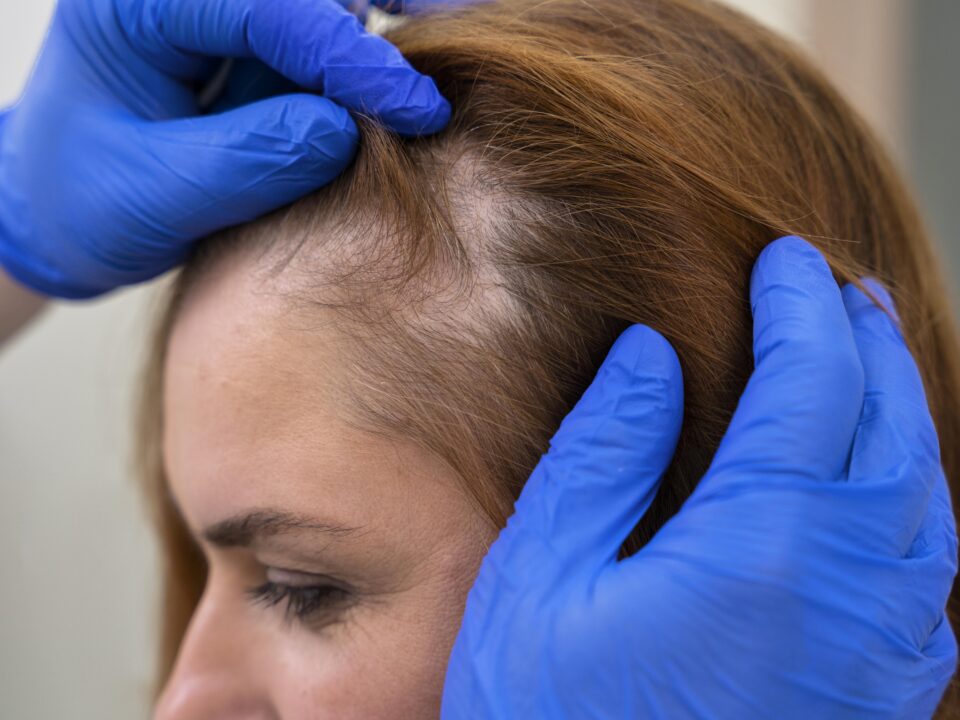
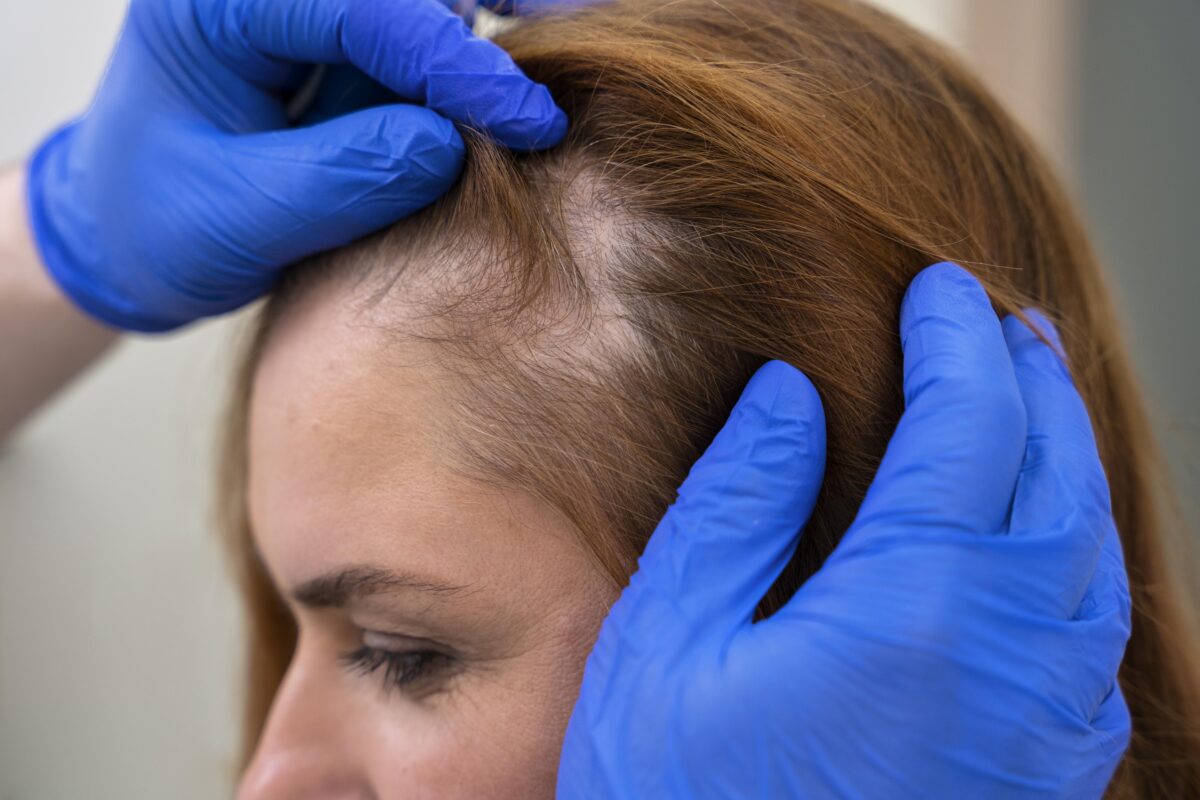
You should consider a dermatology consultation if your hair is becoming progressively thinner, your part is widening, your hairline is receding, or you have persistent shedding without an obvious explanation.
Seek prompt medical assessment if you notice sudden patchy hair loss, scalp pain, significant redness, pus, or smooth and shiny areas that may indicate scarring.
A dermatologist may examine your scalp, review your medications and medical history, and recommend selected investigations when appropriate.
This helps distinguish hair-shaft breakage from shedding and progressive follicular hair loss. That distinction is important because each problem needs a different approach.
Frequently Asked Questions About Thicker Hair
Which shampoo is best for hair growth?
There is no single shampoo that reliably regrows hair for everyone. A gentle shampoo can reduce damage, while a volumizing formula can make fine hair look fuller. Medical hair loss may require a treatment such as minoxidil or management of an underlying condition.
Can shampoo make thin hair thick again?
Shampoo can improve texture, volume, and manageability, but most shampoos cannot reverse hereditary hair loss or restore lost follicular density. If thinning continues, identify the cause rather than relying on shampoo alone.
How long does it take to see thicker hair?
The timeline depends on the cause. Hair-shaft conditioning may improve the appearance immediately, while medical treatments can take several months to show visible results. Minoxidil may require around six to twelve months to assess its full benefit in some people.
Does oiling help hair become thicker?
Oiling may improve lubrication and reduce friction or breakage for some hair types. However, oiling alone has not been established as a reliable treatment for hereditary hair loss. Heavy oils may also aggravate certain scalp problems in some individuals.
Are biotin supplements good for hair growth?
Biotin supplements may help when a deficiency is present, but evidence does not support routine high-dose biotin for everyone with hair thinning. Consult a healthcare professional before starting supplements.
Can PRP treatment increase hair density?
PRP may improve hair density in some people with pattern hair loss, but results vary and the evidence is still developing. A dermatologist can help determine whether it is suitable for your condition.
Final Thoughts: What Is the Best Way to Get Thicker Hair?
The best approach combines the right hair-care products with an accurate understanding of why your hair is thinning.
Start with a gentle shampoo, use conditioner to reduce breakage, and avoid harsh styling practices. If you notice progressive hair loss, persistent shedding, or visible scalp, seek a dermatological assessment rather than spending money on multiple products with unrealistic promises.
For suitable patients, treatments such as minoxidil, prescription medication, or PRP may be considered after an individual assessment. The right option depends on the diagnosis, medical history, and treatment goals.
At SkinHealth Clinic, Dr Safa Patrick provides dermatology care for skin and hair concerns. If you are experiencing persistent hair fall or thinning, a consultation can help identify possible causes and guide you toward an appropriate treatment plan.
Healthy, fuller-looking hair is not about finding one miracle shampoo. It is about choosing evidence-based care that suits your scalp and your needs.