
What Is the Most Effective Treatment for Vitiligo? A Dermatologist’s Guide
October 10, 2026
What Are the Best Shampoos or Treatments to Make Hair Thicker?
October 19, 2026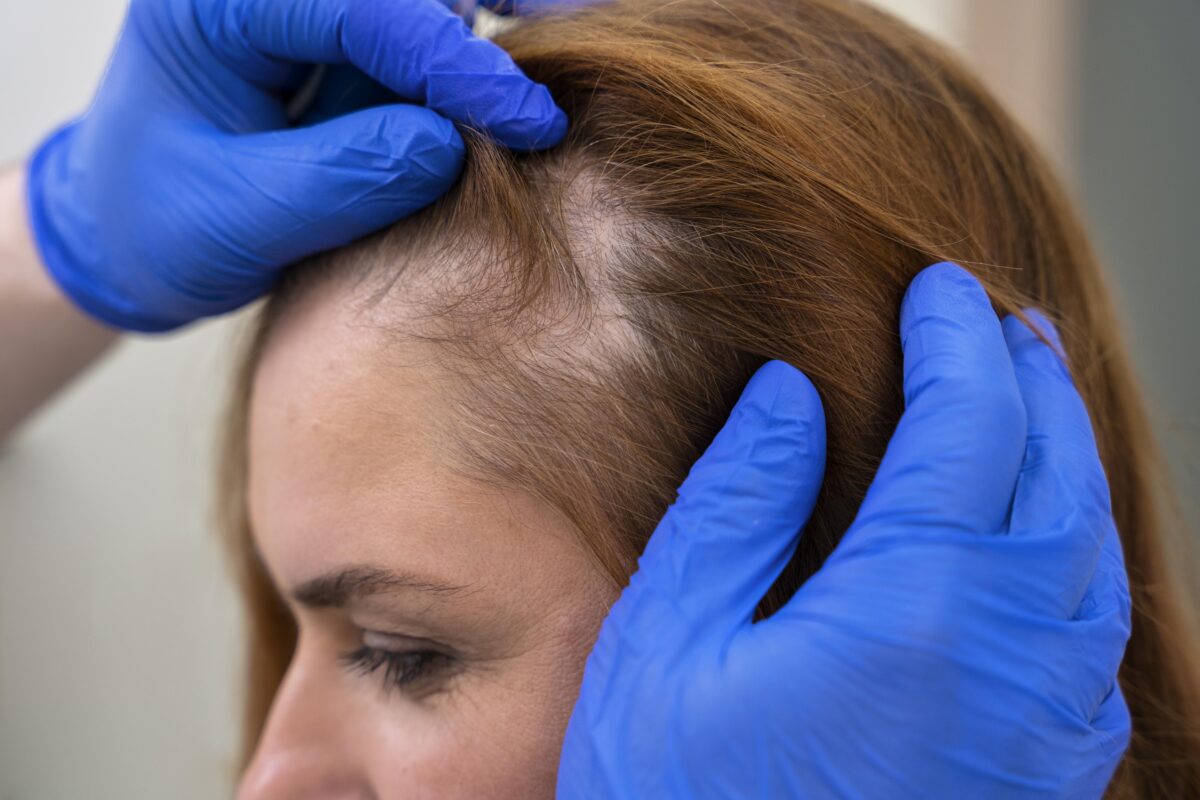
Hair loss can be frustrating, especially when you notice more strands on your pillow, hairbrush, or bathroom floor. You might start changing shampoos, trying hair oils, or buying supplements, hoping something will finally work. But the truth is that effective hair loss treatment starts with identifying why your hair is falling out.
Dermatologists may prescribe medications such as minoxidil, finasteride, or other condition-specific treatments, depending on the type of hair loss. They may also recommend blood tests, nutritional correction, scalp treatments, or procedures when appropriate. There is no single prescription that works for everyone.
If you are searching for a dermatologist in Mira Road because of persistent hair fall or thinning hair, understanding these treatment options can help you make an informed decision.
What Do Dermatologists Usually Prescribe for Hair Loss?
Dermatologists prescribe hair loss medications based on the underlying cause, your age, medical history, and pattern of hair thinning. Common options include topical minoxidil, selected oral medications, and treatments for specific scalp conditions.
Here are some of the treatments a dermatologist may consider:
- Minoxidil: A medication that can help stimulate hair growth and slow certain types of hair loss.
- Finasteride: A prescription medication used mainly for male-pattern hair loss.
- Spironolactone: An option a dermatologist may consider for some women with female-pattern hair loss.
- Corticosteroids: Treatments that may help selected inflammatory or autoimmune forms of hair loss, such as alopecia areata.
- Nutritional supplements: Recommended when a relevant deficiency exists rather than automatically for everyone.
- Scalp treatments and procedures: Options such as platelet-rich plasma (PRP) may suit selected patients after an assessment.
The right treatment depends on the diagnosis. A medicine that helps one person may be unsuitable or ineffective for another. The American Academy of Dermatology (AAD) explains that diagnosing the cause is an essential first step in managing hair loss.
Source: American Academy of Dermatology – Hair Loss Diagnosis and Treatment
Why Does Hair Loss Happen?
Hair loss can result from genetics, hormonal changes, nutritional deficiencies, stress, illness, medication, or scalp disorders. Identifying the cause helps a dermatologist choose an appropriate treatment instead of relying on guesswork.
1. Hereditary or Pattern Hair Loss
Hereditary hair loss, also called androgenetic alopecia, can affect both men and women.
Men may notice a receding hairline or thinning around the crown. Women often experience gradual thinning over the top of the scalp or a widening of the central parting.
This type of hair loss may progress gradually. Early assessment can help identify treatments that slow progression and support hair growth.
2. Stress-Related Hair Shedding
Have you noticed increased hair fall a few months after an illness, high fever, surgery, childbirth, or a particularly stressful period?
One possible explanation is telogen effluvium, a condition in which more hairs than usual enter the shedding phase. The delay between the triggering event and the hair fall can make the cause difficult to identify.
In many cases, shedding improves once the trigger resolves. A dermatologist can help distinguish temporary shedding from other forms of hair loss.
3. Nutritional Deficiencies
Low iron levels, inadequate protein intake, and certain nutritional deficiencies can contribute to hair loss.
However, hair fall does not automatically mean you have a vitamin deficiency. Taking multiple supplements without identifying a need may waste money, and excessive intake of certain nutrients can actually worsen hair loss.
Your doctor may recommend blood tests when your symptoms, diet, medical history, or examination suggest a deficiency.
4. Hormonal Changes and Medical Conditions
Thyroid disorders and certain hormonal conditions can contribute to hair thinning. In some women, hair loss accompanied by irregular periods, acne, or increased facial hair may warrant an assessment for a hormonal condition such as polycystic ovary syndrome (PCOS).
Treating the underlying problem may form an important part of the hair loss management plan.
5. Scalp Infections and Inflammatory Conditions
Scalp fungal infections, inflammation, and certain autoimmune conditions can cause hair loss.
Patches of missing hair, redness, scaling, itching, pain, or broken hairs may indicate a problem that needs medical attention. Some scarring forms of hair loss can permanently damage hair follicles, so early evaluation matters.
Source: MedlinePlus – Hair Loss
Which Medicines Do Dermatologists Prescribe for Hair Loss?
Different medications target different causes of hair loss. Your dermatologist will consider the expected benefits, possible side effects, medical history, and whether the treatment is appropriate for you.
1. Minoxidil for Hair Thinning
Minoxidil is a commonly used treatment for certain types of hair loss, including hereditary pattern hair loss.
It is available in topical formulations, and a dermatologist may recommend an appropriate strength and application schedule based on the patient’s needs.
What can minoxidil do?
- Help stimulate hair growth in suitable patients.
- Slow further hair thinning in some cases.
- Improve hair density over time.
Results do not appear overnight. The AAD notes that visible improvement may take around six to twelve months, although individual results vary.
Minoxidil also requires consistent use to maintain its benefits. Hair loss may resume after stopping treatment. Possible side effects include scalp irritation, and some users experience unwanted facial hair growth.
Do not assume that a higher concentration or a larger amount will produce faster results. Follow your doctor’s instructions.
2. Finasteride for Male-Pattern Hair Loss
Finasteride is an oral prescription medicine used mainly to treat male-pattern hair loss. It works by reducing the production of dihydrotestosterone (DHT), a hormone involved in hereditary hair follicle miniaturisation.
A dermatologist may consider it for suitable patients after discussing its benefits and risks.
Important points include:
- It requires medical supervision.
- Improvement usually takes several months.
- Continued treatment is generally needed to maintain benefits.
- Potential adverse effects can include sexual side effects and mood-related symptoms.
Finasteride is not suitable for everyone. People who are pregnant or may become pregnant need particular precautions regarding exposure to the medicine, and treatment decisions should account for individual circumstances.
Never start prescription hair loss medication based solely on a social media recommendation.
3. Spironolactone for Selected Women
Spironolactone is a prescription medication that dermatologists may consider for some women with female-pattern hair loss, particularly when hormonal factors are relevant.
It is not suitable for everyone. A doctor may need to consider blood pressure, kidney function, potassium levels, other medications, and pregnancy plans before prescribing it.
Because spironolactone can affect potassium levels and blood pressure, self-medication is not advisable.
4. Corticosteroids for Alopecia Areata
Alopecia areata is an autoimmune condition that causes hair loss in patches. In this condition, the immune system mistakenly attacks hair follicles.
For selected patients, dermatologists may recommend corticosteroid injections, topical corticosteroids, or other treatments depending on the severity and extent of the condition.
These treatments differ from those used for hereditary hair thinning. That is why identifying the type of hair loss is so important.
5. Medicines for Scalp Infections or Inflammation
When hair loss results from a scalp infection or inflammatory disease, treatment must address the underlying condition.
For example, a fungal scalp infection may require oral antifungal medication. Shampoo or a cosmetic hair product alone may not adequately treat an infection affecting the hair follicles.
Your dermatologist will select treatment based on the suspected condition and, when necessary, additional tests.
Important: The medicines above are examples of treatments used in clinical practice, not a personal prescription. Do not start, stop, or change a medication without appropriate medical advice.
Source: American Academy of Dermatology – How to Treat Hair Loss
What Tests Might a Dermatologist Recommend Before Prescribing Treatment?
A dermatologist often begins with a detailed history and scalp examination. Blood tests or other investigations may help when the findings suggest an underlying medical condition.
During your consultation, expect questions about:
- When the hair loss began and whether it developed suddenly or gradually.
- Whether you notice general shedding, a widening part, or distinct bald patches.
- Recent illness, surgery, childbirth, stress, or weight changes.
- Your diet, medications, supplements, and hair care routine.
- Family history of hair loss.
- Scalp itching, redness, scaling, or pain.
Your doctor may examine the scalp using a magnifying device called a dermatoscope. Depending on the findings, they may recommend selected blood tests or, in certain cases, a scalp biopsy.
Not everyone needs every test. The purpose is to investigate likely causes rather than order a long list of investigations without a clear reason.
What Is the Best Hair Fall Treatment in Mira Road?
The most appropriate hair fall treatment in Mira Road depends on whether the problem involves hereditary thinning, temporary shedding, a nutritional deficiency, hormonal factors, or a scalp disorder.
A dermatologist may recommend one treatment or combine several approaches. The plan should match the diagnosis, not simply the number of hairs you see falling each day.
Medical Treatment
Medication may help suitable patients with pattern hair loss or certain other conditions. Your doctor will explain how to use the treatment, when to expect changes, and what side effects to watch for.
Nutritional Correction
If investigations reveal a deficiency, correcting it may help address a contributing factor. A balanced diet with adequate protein and appropriate nutrient intake supports general health, but no specific food can guarantee hair regrowth.
PRP for Hair Loss
Platelet-rich plasma (PRP) involves collecting a small blood sample, processing it to concentrate platelets, and injecting the preparation into selected scalp areas.
Some dermatologists offer PRP for certain types of hair thinning. However, results vary, treatment usually involves multiple sessions, and it does not replace the need to diagnose the underlying cause.
Ask about the evidence for your particular condition, expected costs, possible side effects, and the number of sessions before deciding.
Other Hair Restoration Options
Depending on the diagnosis, a dermatologist may discuss additional procedures or refer you for hair transplantation assessment.
Not every patient needs a procedure. In some cases, treating the cause and monitoring progress may be the most appropriate approach.
Can Hair Loss Be Treated Naturally Without Medication?
Healthy hair care habits can reduce preventable damage, but they cannot treat every cause of hair loss.
You can support your hair by:
- Eating a balanced diet with adequate protein.
- Avoiding crash diets and extreme weight-loss plans.
- Limiting excessive heat styling and harsh chemical treatments.
- Avoiding hairstyles that pull tightly on the roots.
- Treating dandruff or scalp irritation with appropriate medical advice.
- Avoiding unverified supplements and products that promise guaranteed regrowth.
Oils may help condition the hair and reduce dryness, but they should not be treated as proven substitutes for medical therapy when a condition is affecting the hair follicles.
A useful rule: if a product promises dramatic regrowth for every type of hair loss, approach the claim with caution.
Source: American Academy of Dermatology – Hair Loss Self-Care
When Should You See a Dermatologist for Hair Loss?
You should arrange a dermatology consultation if hair loss is persistent, worsening, unexplained, or affecting your confidence.
Seek prompt medical evaluation if you notice:
- Sudden or rapid hair loss.
- Round or irregular bald patches.
- Scalp pain, redness, scaling, or sores.
- Hair loss involving the eyebrows or beard.
- Hair thinning alongside irregular periods, unusual facial hair, or other hormonal symptoms.
- Progressive thinning that continues despite changes to your hair care routine.
If you suspect scarring hair loss or have signs of infection, do not delay assessment. Some conditions need early treatment to prevent further damage.
How to Choose a Skin Specialist in Mira Road for Hair Loss
A qualified dermatologist can assess the scalp, identify possible causes, and explain suitable treatment options.
When choosing a skin specialist in Mira Road, look for a doctor with appropriate dermatology qualifications and experience managing hair and scalp disorders. Ask how the diagnosis will be established, whether investigations are necessary, and how progress will be monitored.
A good consultation should also cover realistic expectations, treatment duration, side effects, and follow-up. You should feel comfortable asking questions rather than leaving with a bag of products and no clear explanation.
If you are considering treatment at SkinHealth Clinic, you can enquire about a consultation to discuss your hair fall concerns and determine the next appropriate step.
Frequently Asked Questions About Hair Loss Prescriptions
1. What is the most commonly prescribed medicine for hair loss?
Minoxidil is a commonly used treatment for certain forms of hair loss. Finasteride may be considered for suitable patients with male-pattern hair loss. The best option depends on the diagnosis and individual medical factors.
2. Can a dermatologist stop hair fall permanently?
It depends on the cause. Some temporary forms of shedding improve once the trigger resolves, while hereditary hair loss often requires ongoing management. Certain scarring conditions can cause permanent hair loss if follicles become damaged.
3. How long does hair loss treatment take to work?
Many treatments require several months before you can assess their effect. With topical minoxidil, visible improvement may take around six to twelve months. Your dermatologist can explain an appropriate review schedule for your treatment.
4. Should I take biotin or other hair growth supplements?
Not automatically. Supplements are most useful when they address a genuine nutritional need. Excessive intake of certain nutrients can worsen hair loss, so discuss supplements with your doctor before starting them.
5. Can stress cause hair loss?
Yes. Significant physical or emotional stress can trigger telogen effluvium, a form of increased hair shedding. Shedding may begin weeks or months after the triggering event, and recovery depends on the cause and individual circumstances.
6. Is PRP better than medication for hair loss?
Neither is universally better. Medication and PRP have different roles, and the available evidence and expected benefits depend on the type of hair loss. A dermatologist can help you compare appropriate options.
7. Which doctor should I consult for hair fall in Mira Road?
A qualified dermatologist is an appropriate specialist for persistent hair fall, scalp disorders, and thinning hair. The doctor can assess the cause and recommend medical treatment or further investigation if needed.
Final Thoughts: Treat the Cause, Not Just the Hair Fall
Hair loss can have several causes, and the right treatment begins with understanding what is happening at the scalp and hair follicles. Minoxidil, finasteride, other prescription medicines, nutritional correction, and selected procedures can all have a role in appropriate cases.
If you are looking for a dermatologist in Mira Road, avoid self-prescribing medicines or relying entirely on online remedies. A proper assessment can help you understand your options, set realistic expectations, and follow a treatment plan suited to your needs.
Book a dermatology consultation at SkinHealth Clinic to discuss persistent hair fall, scalp concerns, and suitable hair loss treatment options.
Medical note: This article provides general educational information and does not replace an individual consultation, diagnosis, or prescription.