
Best Dermatologist Treatments for Stubborn Acne: What Actually Works?
August 7, 2026
Mistakes Parents Make When Treating Children’s Skin Problems: A Dermatologist’s Guide for Parents
August 13, 2026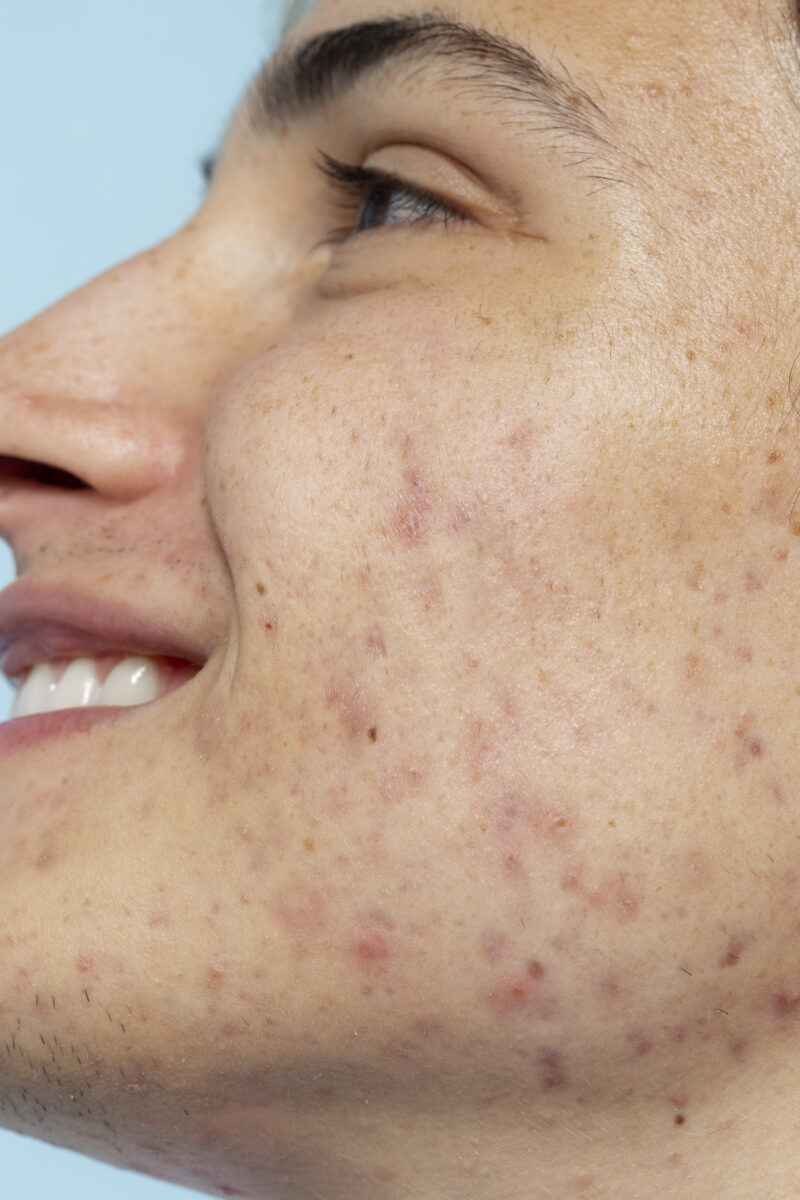
Pigmentation is one of the most common skin concerns, but not every dark spot needs medical treatment. Some pigmentation fades naturally, while persistent, spreading, or recurrent pigmentation may need assessment by a dermatologist.
If your pigmentation is not improving despite consistent skincare, keeps returning, becomes darker, or affects a large area of your face, it may be time to seek professional advice. A dermatologist in Mira Road, Mumbai can identify the underlying cause and recommend treatment based on your skin type and condition.
What Is Skin Pigmentation?
Skin pigmentation refers to the color of your skin, which is mainly influenced by melanin, a pigment produced by melanocytes. When the skin produces more melanin in a particular area, it can appear darker than the surrounding skin.
This increased pigmentation can happen for many reasons, including sun exposure, inflammation, hormonal changes, acne, certain medications, and some skin conditions.
Pigmentation can appear as small brown spots, patches, uneven facial color, or larger areas of darker skin. The treatment depends on why the pigmentation developed, not simply how dark it looks.
When Is Pigmentation Normal?
Mild pigmentation after a pimple, minor skin irritation, or sun exposure is often not a medical emergency. In many cases, the color gradually becomes lighter as the skin naturally renews itself.
However, “normal” does not always mean “ignore it forever.”
If pigmentation persists, repeatedly returns, spreads, or becomes difficult to manage, professional evaluation can help determine what is causing it.
How Do You Know If Your Pigmentation Needs Medical Treatment?
Pigmentation may need medical attention when it persists, worsens, repeatedly returns, or does not respond to appropriate skincare. The important question is not only how the pigmentation looks, but why it is happening.
Here are some signs that it may be worth consulting a dermatologist.
1. Your Pigmentation Is Not Fading
Post-acne marks and mild pigmentation can gradually improve, but stubborn pigmentation may take longer and sometimes needs targeted treatment.
If dark patches remain unchanged for months despite sun protection and appropriate skincare, a dermatologist can determine whether you have melasma, post-inflammatory hyper-pigmentation, or another condition.
2. Your Pigmentation Keeps Getting Darker
Pigmentation that becomes progressively darker deserves attention, especially when you cannot identify an obvious reason.
Sun exposure can stimulate melanin production and make several pigmentation disorders more noticeable. Without adequate photo protection, treatment can also become more difficult.
3. The Pigmentation Keeps Coming Back
Some pigmentation conditions are recurrent.
Melasma is a good example. It often appears as brown or grey-brown patches, particularly on areas of the face exposed to sunlight.
Treatment can control melasma, but maintenance and sun protection remain important because recurrence is common.
4. Pigmentation Appeared After Acne or Skin Inflammation
A dark mark left behind after acne, an insect bite, eczema, irritation, or another inflammatory skin problem may represent post-inflammatory hyper-pigmentation (PIH).
The original inflammation may disappear while the pigmentation remains.
Trying aggressive scrubs or multiple bleaching products can sometimes irritate the skin further and make the pigmentation more noticeable.
5. You Have Large or Uneven Facial Patches
Pigmentation that appears as larger, symmetrical patches on the forehead, cheeks, upper lip, or other facial areas may require evaluation for conditions such as melasma.
A dermatologist can assess the pattern and history rather than assuming every brown patch is simply “sun damage.”
6. Over-the-Counter Products Are Not Helping
Buying another pigmentation cream every few weeks may feel productive, but more products do not necessarily mean better results.
Pigmentation treatment often requires identifying the specific cause first. A dermatologist may recommend topical treatment, procedures, or a combination depending on the diagnosis.
7. Your Pigmentation Is Affecting Your Confidence
Skin conditions can affect more than physical appearance.
If pigmentation is making you uncomfortable in social situations, at work, or in photographs, seeking professional treatment is completely reasonable. Skin treatment is not only about “fixing” a cosmetic issue; it can also be about helping you feel comfortable in your skin.
What Causes hyper pigmentation?
hyper pigmentation occurs when certain areas of the skin produce or retain more melanin than usual. Several factors can contribute to this change.
Common causes include:
- Sun and ultraviolet exposure
- Acne and other inflammatory skin conditions
- Hormonal influences
- Melasma
- Skin injuries or irritation
- Certain medications
- Some underlying medical conditions
The cause matters because different pigmentation problems respond differently to treatment.
For example, treating melasma is not the same as treating a single post-acne mark. A treatment that works for one condition may not be appropriate for another.
What Are the Most Common Types of Pigmentation?
Understanding the type of pigmentation can make treatment decisions much clearer.
Melasma
Melasma usually causes brown to grey-brown patches, commonly on the cheeks, forehead, nose, and upper lip.
Sun exposure can worsen melasma, and hormonal factors can also play a role. Because it can recur, long-term management is often important.
Post-Acne Pigmentation
Dark marks after acne are extremely common.
These marks are often called post-inflammatory hyper-pigmentation. They can gradually fade, but the process may take time, particularly when there is continued inflammation or sun exposure.
Sun-Related Pigmentation
Repeated ultraviolet exposure can contribute to uneven pigmentation and visible dark spots.
This is one reason daily broad-spectrum sunscreen matters even when you are not spending the day at the beach. Your skin does not check your vacation calendar before responding to UV exposure.
Pigmentation After Skin Inflammation
Eczema, dermatitis, injuries, burns, or other inflammatory conditions can sometimes leave darker patches after the inflammation settles.
Treating the underlying skin problem and preventing further irritation can be important parts of management.
When Should You See a Dermatologist for Pigmentation?
You should consider seeing a dermatologist if pigmentation is persistent, worsening, recurrent, widespread, or difficult to diagnose. Professional evaluation is especially useful when several products have failed or when the pigmentation suddenly changes.
A skin specialist in Mira Road can examine the pigmentation, consider your medical and skincare history, and determine whether further evaluation is necessary.
It is better to identify the cause before starting aggressive treatment.
How Is Pigmentation Diagnosed?
Pigmentation is usually assessed through a clinical examination and medical history. Your dermatologist may ask when it started, whether it changes with seasons or sun exposure, whether you have acne or inflammation, and what products or medicines you use.
In some cases, a dermatologist may use specialized examination methods such as a Wood’s lamp or dermoscopy to assess pigmentation more closely.
The exact evaluation depends on the appearance and suspected cause.
What Treatments Are Available for Pigmentation?
There is no single “best pigmentation treatment” for everyone. Treatment depends on the diagnosis, depth of pigmentation, skin type, triggers, and previous treatments.
Depending on the condition, a dermatologist may consider:
Prescription or Medical Topical Treatments
Certain ingredients can help reduce excessive pigmentation or regulate pigment production.
The choice of ingredient, concentration, duration, and combination matters. Some strong products should not be used without professional guidance because irritation can worsen pigmentation.
Chemical Peels
Certain chemical peels can help improve uneven pigmentation by promoting controlled exfoliation.
The peel should match the patient’s skin condition and pigmentation. Stronger does not automatically mean better.
Laser and Light-Based Treatments
Some pigmentation concerns may benefit from carefully selected laser or light-based procedures.
However, lasers are not suitable for every pigmentation disorder. In some patients, particularly those prone to pigmentation, inappropriate treatment can cause further pigmentation.
Combination Treatment
Persistent pigmentation often requires a combination approach.
A dermatologist may combine medical skincare, sun protection, and selected procedures rather than relying on one treatment alone.
Why Is Sunscreen Important During Pigmentation Treatment?
Sun protection is one of the most important parts of managing pigmentation. Ultraviolet exposure can stimulate melanin production and contribute to worsening or recurrence of pigmentation.
For people prone to melasma and other pigmentation problems, consistent photo protection can be particularly important.
A broad-spectrum sunscreen, protective clothing, shade, and sensible sun habits can all contribute to better protection.
Remember: treating pigmentation while repeatedly exposing your skin to UV radiation is a little like mopping the floor while the tap is still running.
Can Pigmentation Go Away on Its Own?
Yes, some pigmentation can gradually fade without procedures, particularly mild post-inflammatory pigmentation. However, the time required varies considerably.
Pigmentation may take weeks or months to improve, and some conditions can persist or recur without appropriate management.
If your pigmentation has remained unchanged for a long period, professional assessment may save you from repeatedly experimenting with products that are not addressing the actual cause.
Can Pigmentation Come Back After Treatment?
Yes, pigmentation can recur, particularly when the underlying trigger continues. Melasma is especially known for recurrence.
Sun exposure, hormonal influences, inflammation, and inadequate maintenance can contribute to pigmentation returning.
This is why successful pigmentation management is often about more than achieving an initial improvement. Long-term prevention and maintenance matter too.
Can DIY Pigmentation Treatments Make Things Worse?
Yes. Over-exfoliation, excessive scrubbing, irritating products, and unsupervised use of strong skin-lightening products can trigger inflammation.
Inflammation itself can contribute to post-inflammatory hyper-pigmentation, creating an unfortunate cycle: pigmentation → aggressive treatment → irritation → more pigmentation.
If your skin is becoming red, burning, peeling excessively, or increasingly sensitive after using a pigmentation product, stop experimenting and speak with a dermatologist.
What Should You Avoid If You Have Pigmentation?
Avoid constantly changing your skincare routine.
You should also be cautious about:
- Excessive scrubbing
- Unsupervised strong bleaching products
- Using multiple exfoliating acids together
- Picking acne or irritated skin
- Ignoring sunscreen
- Starting prescription medicines without medical advice
- Expecting overnight results
Pigmentation usually requires patience. Skin is not a printer where you can simply press “undo.”
What Are Some Important Facts About Pigmentation?
Here are several evidence-based points worth remembering:
1. Melanin determines much of the color of human skin. Changes in melanin production or distribution can lead to areas of increased pigmentation.
2. UV exposure can worsen pigmentation. This makes photo protection an important part of managing many pigmentation disorders.
3. Melasma can recur. Improvement does not necessarily mean the condition has permanently disappeared.
4. Acne can leave pigmentation behind. The inflammatory process can trigger increased pigmentation after the acne lesion heals.
5. Skin irritation can contribute to pigmentation. Repeated inflammation may result in post-inflammatory hyper-pigmentation.
6. Pigmentation has different causes. Melasma, post-acne pigmentation, sun-related spots, and pigmentation after inflammation should not automatically be treated in the same way.
7. Stronger treatment is not automatically better. Aggressive procedures can cause irritation or pigmentary complications in susceptible skin.
8. Diagnosis matters before treatment. A dermatologist can help distinguish different causes of pigmentation based on the pattern, history, and examination.
9. Sun protection remains important even after pigmentation improves. Continued exposure can contribute to recurrence or worsening.
10. Patience matters. Pigmentation often improves gradually rather than disappearing after one application or one procedure.
How Can a Dermatologist Help With Pigmentation in Mira Road?
If you have persistent or stubborn pigmentation, seeing a qualified dermatologist can help you understand what you are actually treating.
At SkinHealth Clinic in Mira Road, Dr. Safa Patrick provides dermatology care for a range of skin concerns, including pigmentation and uneven skin tone. A consultation can help determine whether your concern is melasma, post-acne pigmentation, sun-related pigmentation, or another condition.
Instead of choosing a treatment based only on an online trend, a professional evaluation can help create a plan based on your skin and the cause of pigmentation.
If you are searching for a pigmentation specialist in Mira Road, dermatologist for pigmentation in Mira Road, or a skin specialist in Mira Road, an in-person dermatology consultation can be a useful first step.
Frequently Asked Questions About Pigmentation
How do I know if my pigmentation needs medical treatment?
Pigmentation may need medical assessment if it persists, becomes darker, spreads, repeatedly returns, or does not improve with appropriate skincare and sun protection.
When should I see a dermatologist for pigmentation?
Consider seeing a dermatologist when pigmentation is persistent, worsening, recurrent, widespread, or difficult to identify. A dermatologist can determine the likely cause and discuss appropriate treatment options.
What is the best treatment for stubborn pigmentation?
There is no universal best treatment. The right approach depends on whether the pigmentation is melasma, post-acne pigmentation, sun-related pigmentation, or another condition.
Can pigmentation be permanently removed?
Some pigmentation can improve significantly, but certain conditions such as melasma can recur. Long-term sun protection and maintenance may therefore be necessary.
How long does pigmentation treatment take to work?
The timeline varies according to the type and depth of pigmentation, the treatment used, and individual skin characteristics. Pigmentation generally improves gradually rather than overnight.
Can dark spots after acne be treated?
Yes. Post-acne pigmentation can often improve with appropriate skincare, sun protection, and dermatologist-guided treatment when necessary.
Should I use a pigmentation cream without consulting a dermatologist?
It is better to understand the cause before using strong pigmentation treatments. Some products can irritate the skin, and irritation may worsen pigmentation.
Which dermatologist can treat pigmentation in Mira Road?
A qualified dermatologist can evaluate pigmentation and recommend treatment based on its cause. Patients looking for a dermatologist in Mira Road, Mumbai can consider a professional skin consultation rather than self-treating persistent pigmentation.
Final Takeaway
Not every dark spot requires medical treatment, but persistent, worsening, recurrent, or unexplained pigmentation deserves professional attention.
The most effective approach is to identify the cause first and then choose treatment accordingly. Sun protection, appropriate skincare, and dermatologist-guided treatment can work together to improve pigmentation while reducing the chance of recurrence.
If your pigmentation has been stubborn despite your skincare routine, it may be time to stop guessing and get it evaluated by a dermatologist in Mira Road, Mumbai.