Can Acne Scars Be Completely Removed? A Dermatologist Explains
September 19, 2026
7 Signs You Should See a Dermatologist Instead of Treating Your Skin at Home
October 5, 2026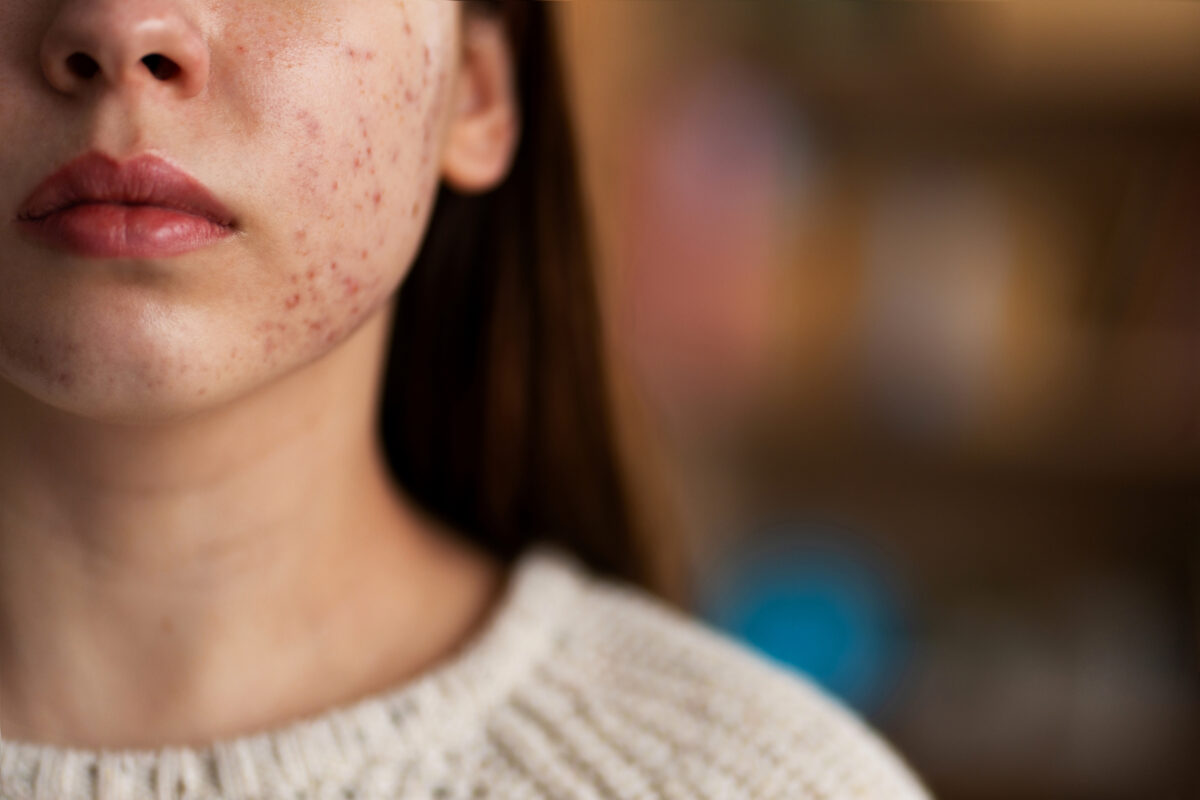
Hormonal acne is acne influenced by changes in hormone activity, often causing recurring breakouts around the lower face, jawline and chin. For many women, these breakouts become more noticeable before or around their menstrual period.
The frustrating part? Hormonal acne does not always behave like the occasional teenage pimple. It can return in a predictable pattern every month, linger for weeks, and sometimes develop into deep, painful bumps.
If your acne seems to follow your menstrual cycle, suddenly appears in adulthood, or keeps returning around your chin and jawline, hormones may be playing a role.
For persistent or painful acne, consulting a dermatologist in Mira Road can help determine whether your breakouts are hormonal acne or another type of acne that needs a different treatment approach.
What Is Hormonal Acne?
Hormonal acne refers to acne that is influenced by hormonal activity, particularly hormones called androgens. These hormones can stimulate the sebaceous glands to produce more sebum, the oily substance that helps protect the skin.
When excess oil combines with dead skin cells, pores can become blocked. Inflammation can then lead to pimples, pustules, nodules or cysts.
Hormonal fluctuations can happen during puberty, menstruation, pregnancy, perimenopause and menopause. Starting or stopping hormonal birth control can also influence acne in some people.
So, hormonal acne is not simply a case of having “too many hormones.” Acne develops through several interacting processes, and hormones are one important factor.
How Do You Recognize Hormonal Acne?
The pattern of your acne can provide useful clues.
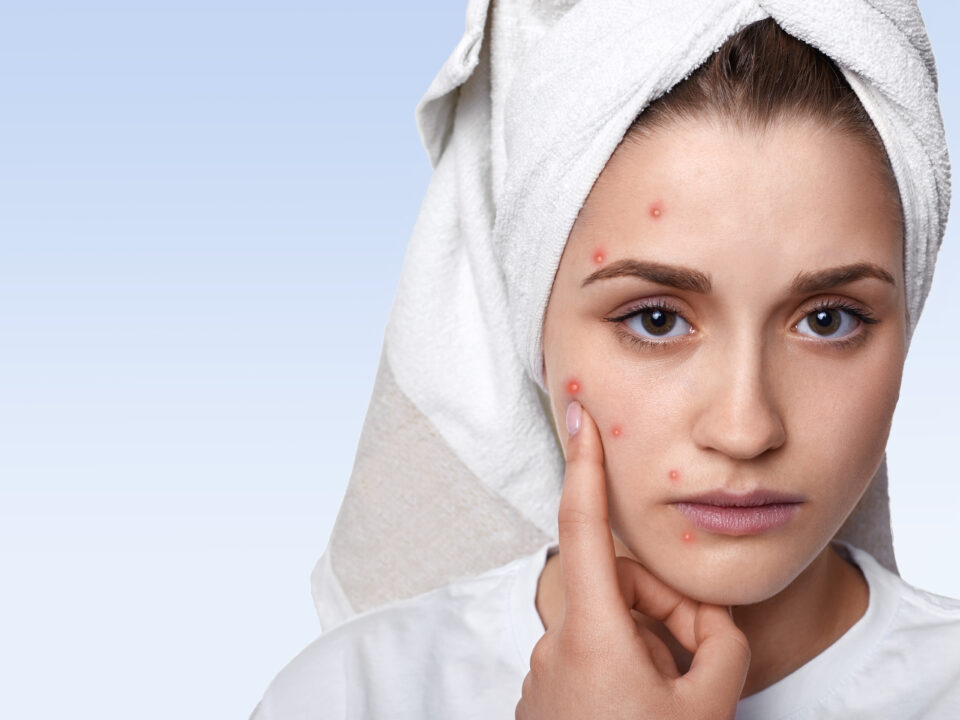
Hormonal acne commonly affects the lower third of the face, particularly the chin, jawline and lower cheeks. Breakouts may also occur on the neck, chest or back.
Here are some common signs:
- Breakouts repeatedly appear around the chin or jawline.
- Acne becomes worse before or during your period.
- You develop deep, tender pimples or nodules.
- Acne continues into adulthood.
- Breakouts return despite following a consistent skincare routine.
- Your acne follows a predictable monthly pattern.
- Acne started or became worse after changes in hormonal medication.
One clue alone does not prove that acne is hormonal. Dermatologists look at the overall pattern, severity, medical history and other symptoms before deciding on treatment.
Why Does Acne Get Worse Before Your Period?
Hormonal fluctuations around the menstrual cycle can trigger acne flare-ups in some women.
You may notice that your skin looks relatively calm during one part of the month and then suddenly develops several painful pimples before your period.
This happens because changes in hormone levels can affect oil production and the behavior of the hair follicles. The resulting increase in oil and follicular blockage can contribute to acne.
This is why keeping a simple skin and menstrual-cycle diary can be surprisingly useful.
For example, if you notice breakouts consistently appearing 5–10 days before your period for several months, tell your dermatologist. The pattern may help during your evaluation.
What Does Hormonal Acne Look Like?
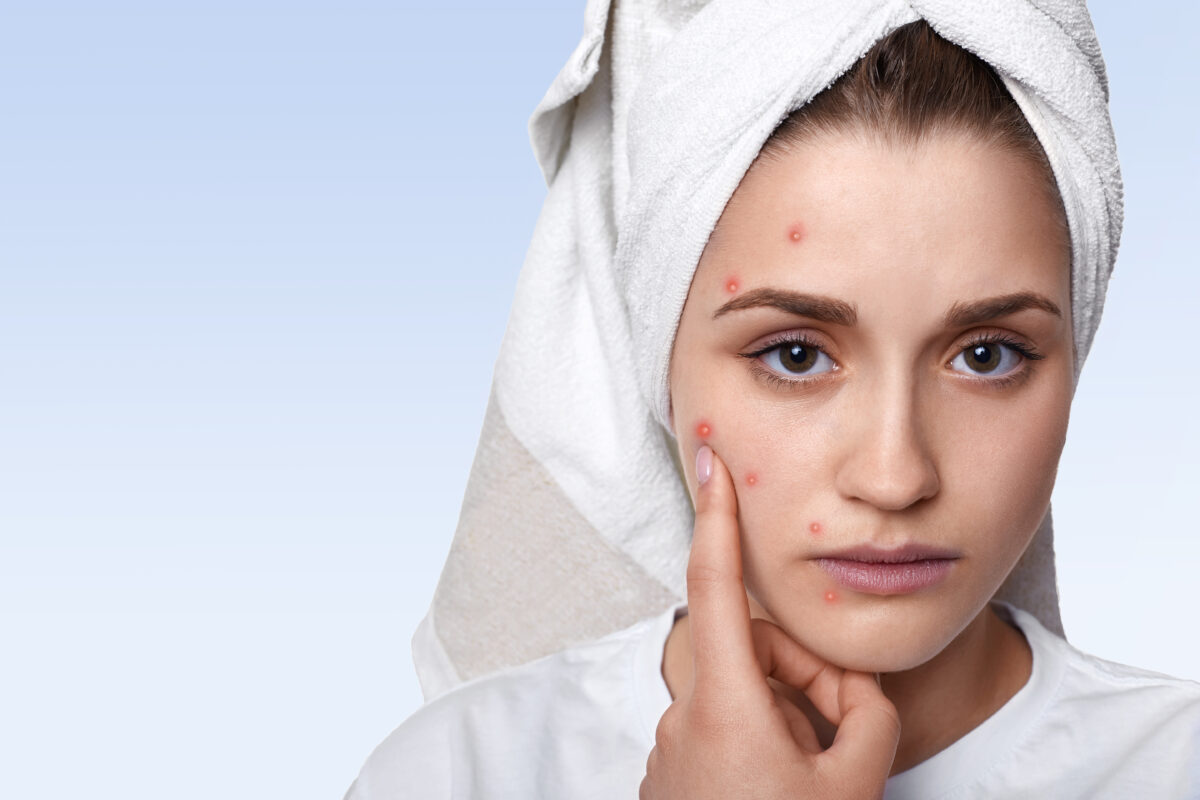
Hormonal acne can appear as blackheads, whiteheads, inflammatory pimples or deeper nodules and cysts.
However, many women associate hormonal acne with deep, painful breakouts around the chin and jawline. The American Academy of Dermatology specifically identifies stubborn acne on the lower face and predictable breakouts around the menstrual period as signs that hormonal therapy may be worth considering.
These deeper lesions can also increase the risk of post-inflammatory marks and acne scars, especially when repeatedly picked or squeezed.
That is one reason treating recurring acne early can be important.
Can You Get Hormonal Acne After Your Teenage Years?
Yes. Acne can begin or continue during adulthood.
Adult acne can affect people in their 20s, 30s, 40s and beyond. In women, hormonal fluctuations associated with periods, pregnancy, perimenopause, menopause and changes in birth-control use can contribute to breakouts.
So if you thought acne was supposed to disappear after college, your skin clearly did not receive that memo.
Adult acne deserves proper evaluation rather than being dismissed as something you simply have to live with.
What Causes Hormonal Acne?
Hormonal acne usually develops through several factors rather than one single cause.
Increased oil production
Androgens can stimulate the sebaceous glands. Increased sebum can contribute to blocked pores and acne development.
Blocked hair follicles
Dead skin cells can combine with sebum and block hair follicles. This creates the environment in which different acne lesions develop.
Inflammation
Inflammation contributes to red, swollen and painful acne lesions.
Hormonal fluctuations
Changes during the menstrual cycle, pregnancy and other hormonal transitions can trigger or worsen acne in some people.
Genetics
Your family history can also influence your tendency to develop acne.
This is why simply washing your face more often does not necessarily solve hormonal acne.
Is Acne After Your Period Also Hormonal?
It can be, but timing alone does not establish the cause.
Some people notice acne before their period, while others may notice breakouts during or after menstruation. What matters more is whether the pattern repeatedly occurs in connection with the menstrual cycle.
If you regularly experience acne after period, record when your breakouts appear and discuss the pattern with a dermatologist.
For people searching online for acne after period treatment in Mira Road, the first step should be identifying why the acne is recurring rather than immediately choosing a medication or cosmetic procedure.
When Should You See a Dermatologist for Hormonal Acne?
You should consider professional evaluation if your acne is persistent, painful, leaving dark marks or scars, or affecting your confidence.
You should also seek medical advice if adult acne suddenly appears alongside symptoms such as irregular periods or excessive facial/body hair. These symptoms can sometimes indicate an underlying hormonal condition that needs evaluation.
A skin specialist in Mira Road can assess your acne pattern and determine whether you need topical treatment, oral medication, hormonal therapy or another approach.
Importantly, not everyone with acne needs hormonal testing. Your doctor will decide whether investigations are appropriate based on your symptoms and medical history.
What Is the Treatment for Hormonal Acne?
Treatment depends on the type and severity of acne, your age, medical history, pregnancy plans and other individual factors.
There is no single “best” hormonal acne treatment for everyone.
Common acne treatments may include:
- Topical retinoids
- Benzoyl peroxide
- Salicylic acid
- Azelaic acid
- Clascoterone
- Oral antibiotics in selected cases
- Combined oral contraceptives for appropriate patients
- Spironolactone for selected women
- Isotretinoin for severe acne that has not responded adequately to other treatments
The American Academy of Dermatology’s updated acne guidelines include several topical and systemic treatments, including benzoyl peroxide, topical retinoids, salicylic acid, azelaic acid, combined oral contraceptives, spironolactone and isotretinoin.
Your dermatologist may combine treatments because acne can involve several different processes at the same time.
Can Hormonal Therapy Treat Acne?
Yes, hormonal therapy can help selected women with persistent hormonal acne.
Two commonly discussed hormonal options are combined oral contraceptives and spironolactone. The AAD notes that women with stubborn acne concentrated on the lower face, jawline or neck, particularly when breakouts predictably occur around menstruation, may benefit from hormonal therapy.
However, these medicines require medical evaluation.
For example, spironolactone is not appropriate during pregnancy because of potential risks to the developing fetus. Certain acne medications, including spironolactone and isotretinoin, should not be used during pregnancy.
Never start hormonal medication simply because it worked for a friend or appeared in a social media reel.
Your skin—and your medical history—may have different plans.
How Long Does Hormonal Acne Treatment Take to Work?
Acne treatment usually requires patience.
The American Academy of Dermatology notes that improvement from hormonal therapies is not immediate. For example, women taking combined oral contraceptives may notice improvement over approximately two to three months, while spironolactone may begin reducing breakouts and oiliness within several weeks.
Other acne treatments also require consistent use over time.
So if you apply an acne treatment for five days and declare it a failure, your skin is probably going to disagree.
Consistency matters.
Can Skincare Alone Control Hormonal Acne?
A good skincare routine can support acne treatment, but skincare alone may not control every case of hormonal acne.
A simple routine usually works better than an aggressive one:
Morning
Gentle cleanser → acne treatment recommended by your dermatologist → non-comedogenic moisturizer → broad-spectrum sunscreen
Night
Gentle cleanser → prescribed acne treatment → moisturizer
Avoid repeatedly scrubbing your face, picking pimples or using multiple harsh products at once.
The NHS advises against squeezing or picking acne because this can increase the risk of permanent scarring.
If your skin feels like it has been through a chemistry experiment, your routine may need simplifying.
What Are Common Mistakes People Make With Hormonal Acne?
Mistake 1: Treating every breakout as a skincare problem
Hormonal acne may need medical treatment rather than another new cleanser.
Mistake 2: Picking painful pimples
Squeezing deep acne can worsen inflammation and increase the risk of scarring.
Mistake 3: Changing products every week
Acne treatments generally need time to work. Constantly switching products can make it difficult to determine what actually helps.
Mistake 4: Self-starting prescription medication
Hormonal medications, antibiotics and isotretinoin require appropriate medical supervision.
Mistake 5: Ignoring other symptoms
Acne accompanied by irregular periods or excessive hair growth deserves medical discussion because hormonal disorders can sometimes present with acne.
Can Hormonal Acne Be Prevented?
You cannot always completely prevent hormonal acne, particularly when hormonal fluctuations contribute to your breakouts.
However, you can reduce avoidable triggers by:
- Using non-comedogenic skincare products
- Following your treatment consistently
- Avoiding picking or squeezing
- Keeping track of menstrual-related breakouts
- Managing skincare gently
- Seeking treatment before severe acne causes scarring
The goal isn’t necessarily to have a 12-step skincare routine. Often, a simple routine combined with the right medical treatment is more useful.
When Should You Consult a Dermatologist in Mira Road?
If recurring acne is concentrated around your chin and jawline, becomes worse around your period, or continues despite regular skincare, professional evaluation can help identify the pattern.
A dermatologist in Mira Road can examine your skin, assess acne severity, review your menstrual and medical history, and create an individualized treatment plan.
If you are specifically looking for hormonal acne treatment in Mira Road, avoid choosing treatment solely based on online recommendations. Hormonal therapy is not suitable for everyone, and the right treatment depends on your individual health profile.
Similarly, if your main concern is acne after period treatment in Mira Road, keeping track of your breakout pattern can give your dermatologist useful information.
At SkinHealth Clinic, patients can discuss persistent acne, adult acne, acne scars and suspected hormonal acne with a qualified dermatology professional.
Frequently Asked Questions About Hormonal Acne
How do I know if my acne is hormonal?
Recurring acne around the chin, jawline or lower face, especially when it predictably worsens around menstruation, can suggest hormonal involvement. However, a dermatologist should assess the complete clinical picture.
Does hormonal acne only happen before periods?
No. Hormonal acne can occur at different points in the menstrual cycle. The important clue is a repeated relationship between hormonal fluctuations and breakouts.
Can hormonal acne cause painful pimples?
Yes. Hormonal acne can include deep, tender inflammatory lesions, including nodules and cysts. Severe acne can increase the risk of scarring.
Can adult women suddenly develop hormonal acne?
Yes. Adult-onset acne can occur, and hormonal fluctuations are one possible contributing factor.
Does hormonal acne need blood tests?
Not necessarily. A dermatologist may diagnose acne clinically. Hormonal testing may be considered when acne occurs alongside symptoms suggesting an underlying hormonal condition.
Can hormonal acne be permanently cured?
Hormonal acne can often be effectively controlled, but the appropriate treatment varies from person to person. Some people need ongoing maintenance treatment to prevent new breakouts.
Final Takeaway
Hormonal acne is more than a few random pimples appearing at an inconvenient time. Recurring lower-face acne, jawline breakouts and predictable menstrual-related flare-ups can provide clues that hormones are contributing to your acne.
The good news is that hormonal acne is treatable.
The right approach may involve topical acne medication, hormonal therapy, oral medication or a combination of treatments depending on your individual situation. Current dermatology guidelines support several evidence-based treatment options, but acne treatment should be individualized rather than copied from social media or someone else’s routine.
If your acne keeps returning despite your skincare routine, especially around your period, consider consulting a dermatologist in Mira Road for a proper evaluation rather than continuing to experiment with products