
What Is Hormonal Acne and How Do You Recognize It?
September 25, 2026
What Is the Most Effective Treatment for Vitiligo? A Dermatologist’s Guide
October 10, 2026
When should you see a dermatologist? If a skin, hair, or nail problem keeps coming back, becomes painful, spreads, leaves scars, or does not improve with appropriate home care, it may be time to get a professional evaluation.
Your skin often gives you clues when something needs more than another skincare product. While simple concerns can sometimes improve with basic skincare, persistent or unusual symptoms may need an accurate diagnosis and targeted treatment.
If you are looking for a dermatologist in Mira Road, understanding these warning signs can help you decide when it is better to stop experimenting at home and consult a qualified skin specialist.
Can every skin problem be treated at home?
No. Mild skin concerns may respond to appropriate self-care, but persistent, severe, or unusual symptoms deserve professional attention.
For example, some adults with mild acne can manage it with over-the-counter products. However, large, painful, deep acne lesions or acne that leaves scars often require a dermatologist’s help.
The bigger problem with self-treatment is that several skin conditions can look surprisingly similar.
An itchy rash could be eczema, contact dermatitis, a fungal infection, an allergic reaction, or another condition. Choosing a cream based only on appearance can therefore miss the actual cause.
Think of it this way: your skin problem may be the symptom, not the diagnosis.
1. Your Skin Problem Keeps Coming Back
If the same rash, acne, itching, pigmentation, or irritation repeatedly returns, don’t keep treating each flare-up as a separate problem.
Recurring symptoms may indicate an underlying skin condition or an ongoing trigger.
Contact dermatitis, for example, can repeatedly flare when the skin comes into contact with an irritating or allergenic substance. Identifying that trigger can sometimes require a detailed history and, when appropriate, allergy testing such as patch testing.
A dermatologist may ask questions about:
- When your symptoms started
- Products you apply to your skin or hair
- Soaps, detergents, cosmetics, or fragrances you use
- Your work or hobbies
- Whether symptoms improve when you stop using a particular product
- Previous treatments and medications
This detective work matters because treating the visible rash without addressing its trigger may only provide temporary relief.
If your skin problem keeps returning, a skin specialist in Mira Road can help determine whether you are dealing with eczema, contact dermatitis, acne, infection, pigmentation, or another condition.
2. Your Acne Is Painful, Deep, or Leaving Scars
Not every pimple needs a dermatologist, but painful, deep, persistent acne deserves attention—especially when it starts leaving scars.
Mild blackheads, whiteheads, and small pimples can sometimes respond to suitable over-the-counter acne products. Deep nodules and cysts are different.
The American Academy of Dermatology notes that deep, painful acne can cause permanent acne scars, and early treatment can help reduce the risk of scarring.
Another common mistake is picking or squeezing pimples.
It may feel satisfying for approximately three seconds. Your skin, unfortunately, may remember it for much longer.
Picking can increase inflammation and raise the risk of scarring and dark spots.
If your acne is painful, keeps returning, affects your confidence, or is leaving marks and scars, it is worth discussing your options with a dermatologist.
A dermatologist can first determine the type and severity of acne and then create a treatment plan suited to your skin.
What about acne scars?
Acne scars can have different patterns, including depressed or raised scars. Different scar types may need different treatments.
Depending on the individual case, dermatologists may consider options such as prescription treatment, chemical peels, microneedling, laser procedures, or other approaches. The appropriate treatment depends on factors such as scar type, skin characteristics, and whether active acne is still present.
So if your search history looks like “How to remove acne scars overnight,” your skin is probably asking for a little more patience—and possibly professional advice.
3. Your Rash Is Spreading, Painful, or Not Improving
A rash that spreads quickly, becomes painful, blisters, develops open sores, or appears with fever needs medical attention.
Rashes can be difficult to identify accurately because different conditions can look alike.
The American Academy of Dermatology recommends medical evaluation for rashes that cover much of the body, spread rapidly, become painful, blister or develop into raw skin, occur with fever or illness, or involve areas such as the eyes, lips, mouth, or genital skin.
You should also watch for possible signs of infection, such as:
- Pus
- Yellow or golden crusting
- Increasing pain
- Swelling or warmth
- Unpleasant smell
- Fever
These signs should not be brushed off as “just a rash.”
If you experience difficulty breathing or swallowing, or significant swelling of the lips or eyes, seek emergency medical care rather than waiting for a routine dermatology appointment.
4. Your Itching Is Persistent or Keeps Returning
Persistent itching deserves attention, particularly when it interferes with sleep, daily activities, or repeatedly causes you to scratch your skin.
Itching can occur with many dermatological conditions, including eczema and contact dermatitis.
Atopic dermatitis, commonly known as eczema, can cause itchy, dry, inflamed skin. Repeated scratching can damage the skin and contribute to thickening, cracking, and further irritation.
Contact dermatitis can also cause intense itching, burning, swelling, blisters, or dry and cracked skin.
Sometimes the cause isn’t obvious.
A dermatologist can examine your skin, review your symptoms and exposures, and determine whether further testing is appropriate. In suspected allergic contact dermatitis, patch testing may help identify specific substances triggering the reaction.
If you keep reaching for the same anti-itch cream without lasting improvement, it may be time to find out why your skin is itching in the first place.
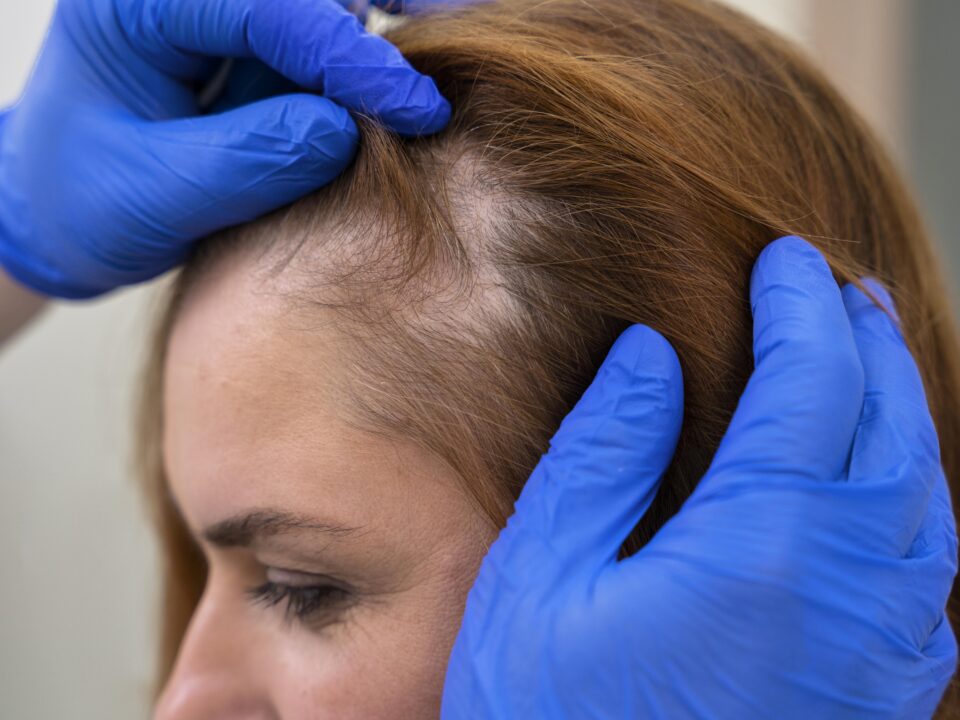
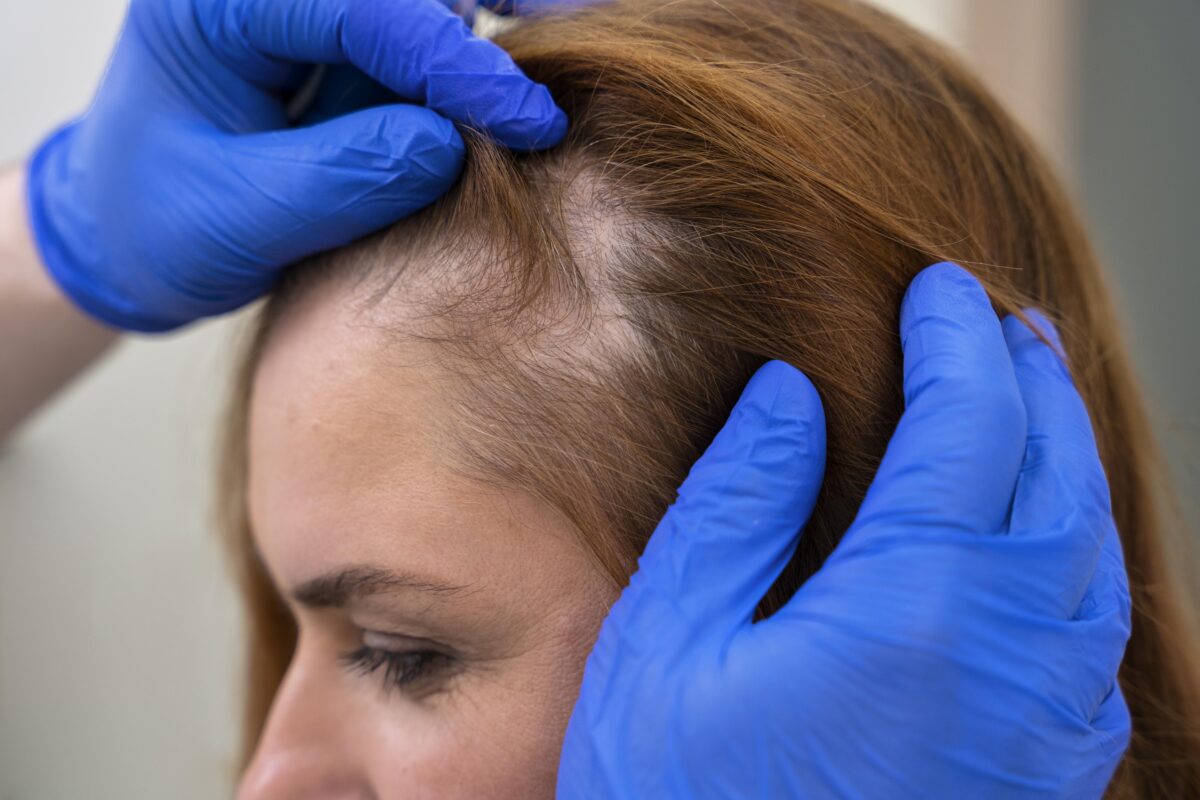
5. Your Hair Fall Is Sudden, Excessive, or Patchy
Hair shedding can happen for many reasons, but sudden or noticeable changes in hair density should not always be dismissed as ordinary hair fall.
Hair loss can appear gradually as thinning, a widening part, a thinner ponytail, or a receding hairline. It can also appear suddenly, including the development of a bald patch or rapid shedding.
Different types of hair loss can have different causes and treatment approaches.
A dermatologist can examine the scalp and hair pattern and ask about factors such as the timing of hair loss, scalp symptoms, medications, health history, and other relevant changes.
Early assessment can be particularly important for some forms of scarring hair loss because treatment may help prevent further permanent hair loss.
So if your hairbrush suddenly seems to be collecting an alarming amount of evidence, don’t panic—but don’t ignore it either.
A hair specialist in Mira Road can help determine whether your hair fall is temporary shedding, pattern hair loss, a scalp condition, or another problem that needs treatment.
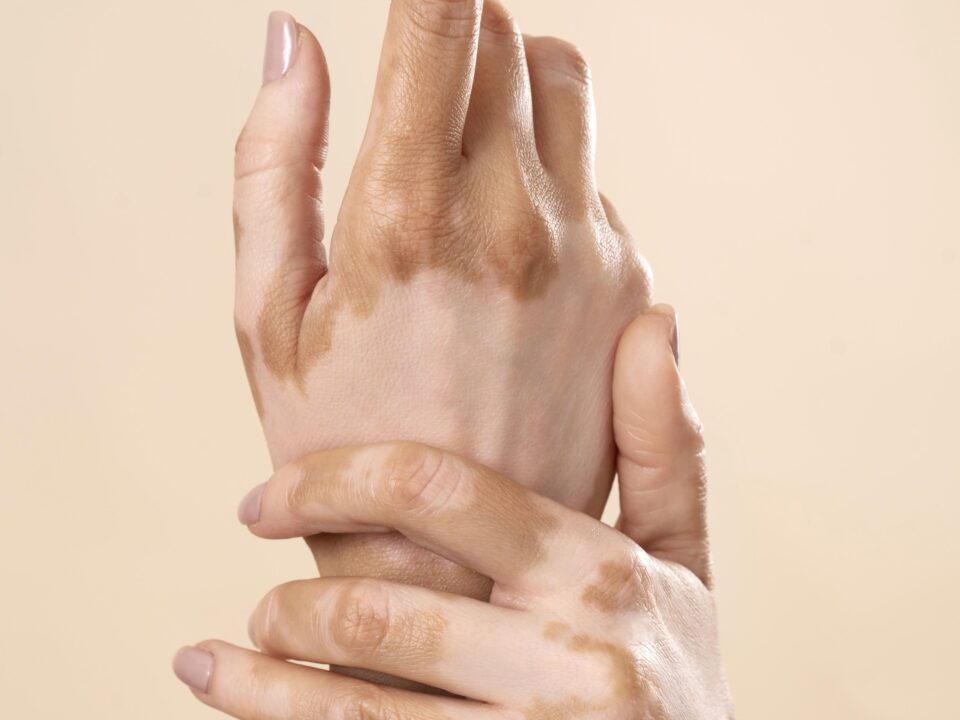
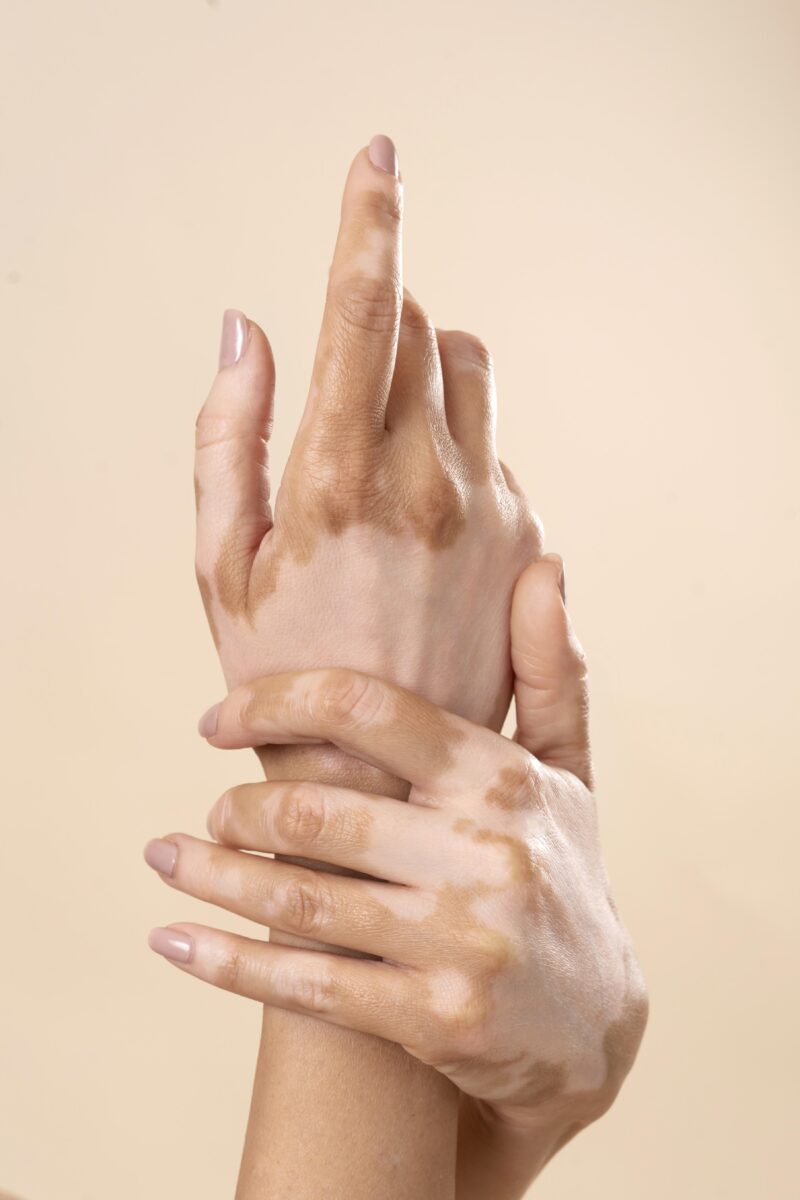
6. Your Pigmentation or Dark Spots Are Getting Worse
Pigmentation can have many causes, and the right treatment depends on identifying what is actually causing the discoloration.
Dark spots may develop after acne or inflammation, while other pigmentation concerns can have different triggers.
The temptation is to immediately reach for a strong “brightening” product or combine several active ingredients. That approach can sometimes irritate the skin and make the situation harder to manage.
A dermatologist can assess the pattern, location, duration, and possible triggers of pigmentation before recommending treatment.
This is especially important when pigmentation develops suddenly, changes noticeably, or appears alongside other symptoms.
For people searching for a skin doctor in Mira Road for pigmentation, the goal should not simply be to make the skin lighter. The goal is to identify the cause and improve skin health safely.
7. A Mole, Spot, or Skin Growth Has Changed
A new or changing mole or skin growth should be professionally assessed, particularly if it changes in size, shape, or colour or starts bleeding, itching, crusting, or becoming painful.
Most skin spots are not cancerous. However, changes in a mole can sometimes be a warning sign that needs medical assessment.
The NHS advises seeking medical evaluation if a mole changes size, shape, or colour, becomes painful or itchy, or becomes inflamed, bleeding, or crusty.
Similarly, a skin growth that becomes larger or changes colour or texture, or an area that repeatedly hurts, itches, bleeds, crusts, or scabs, should be checked.
This does not mean that every changing spot is cancer.
It means that guessing at home is not the right approach when a lesion is changing. A dermatologist can examine it and decide whether further evaluation is necessary.
When should you see a dermatologist instead of treating your skin at home?
You should consider seeing a dermatologist when a skin or hair concern is persistent, worsening, recurrent, painful, spreading, scarring, or unusual.
A professional evaluation becomes particularly important when:
- Acne is deep, painful, or leaving scars
- A rash spreads rapidly or develops blisters or sores
- You have persistent or severe itching
- A skin problem repeatedly returns
- Hair loss is sudden, patchy, or progressing
- Pigmentation keeps worsening despite appropriate skincare
- A mole or skin growth changes
- Your symptoms are affecting your sleep, confidence, or daily life
- Home treatment has not produced meaningful improvement
You don’t necessarily need to wait until a problem becomes severe.
For some conditions, identifying and treating the problem earlier can help prevent complications such as scarring or progression. Dermatologists can also distinguish between conditions that may look similar but require different treatments.
What should you do before your dermatology appointment?
Bring information about what you’ve been experiencing and what you’ve already tried. It can make the consultation more useful.
Before your appointment, consider noting:
- When the problem first appeared
- Whether it is getting better or worse
- Products or medicines you’ve already used
- Any recent changes in skincare or haircare
- Possible triggers
- Whether symptoms come and go
- Any associated symptoms such as pain, itching, swelling, or hair loss
For recurring rashes, photographs taken during a flare-up can also be useful if the skin looks different on the day of your appointment.
Most importantly, don’t hide the fact that you’ve tried home remedies or products. Your dermatologist needs the complete picture to recommend appropriate care.
Why professional diagnosis matters
Good dermatology is not simply about prescribing a cream. It starts with identifying the condition accurately.
Two people may have similar-looking redness but completely different causes. Likewise, two people with acne may have different severity, skin types, scarring patterns, or triggers.
For conditions such as eczema, dermatologists may diagnose the condition through examination and medical history, while some cases may require additional testing.
The same principle applies to acne, hair loss, pigmentation, infections, and suspicious skin lesions.
That is why replacing one internet recommendation with another isn’t always the answer.
Sometimes the most effective skincare step is simply getting the right diagnosis.
Looking for a Dermatologist in Mira Road?
If you’re searching for a dermatologist in Mira Road, skin specialist in Mira Road, or skin doctor in Mira Road, choose a qualified professional who can evaluate your concern rather than treating symptoms blindly.
At SkinHealth Clinic, dermatology care covers a range of skin and hair concerns, including acne and acne scars, pigmentation, eczema, hair fall, vitiligo, fungal infections, pediatric skin conditions, and other dermatological problems.
The right treatment depends on the condition, your skin, and your individual needs.
Final takeaway
Your skin doesn’t always need a complicated routine. Sometimes it needs a proper diagnosis.
A mild, temporary skin concern may improve with sensible skincare. But if your symptoms persist, return repeatedly, worsen, become painful, cause scarring, or look unusual, don’t keep experimenting indefinitely.
Knowing when to see a dermatologist can help you avoid unnecessary products, identify the underlying problem, and get appropriate treatment sooner.
If you’re in Mira Road and concerned about a persistent skin or hair problem, consider speaking with a qualified dermatologist rather than relying solely on home remedies.
Frequently Asked Questions
1. When should I see a dermatologist?
You should consider seeing a dermatologist when a skin, hair, or nail problem persists, repeatedly returns, becomes painful, spreads, causes scarring, or does not improve with appropriate care.
2. Should I see a dermatologist for acne?
Yes, particularly if your acne is deep, painful, persistent, or leaving scars or dark marks. Early treatment can help control acne and reduce the risk of permanent scarring.
3. When should I see a dermatologist for a rash?
Seek medical evaluation if the rash spreads rapidly, covers much of the body, becomes painful, blisters, develops open sores, occurs with fever, or affects the eyes, lips, mouth, or genital area.
4. Can a dermatologist help with hair fall?
Yes. Dermatologists evaluate different types of hair loss and can assess the scalp, pattern of hair loss, symptoms, and medical history to help determine the appropriate management.
5. Should I treat pigmentation at home?
Some mild pigmentation concerns may be managed with appropriate skincare, but worsening or persistent pigmentation should be assessed by a dermatologist before starting aggressive treatments.
6. Is every changing mole dangerous?
No. Many moles are harmless. However, changes in size, shape, colour, itching, pain, bleeding, or crusting warrant professional assessment.
7. How do I find a dermatologist in Mira Road?
Look for a qualified dermatologist with appropriate medical credentials and experience relevant to your concern. For persistent or complex skin problems, an in-person evaluation is preferable to relying only on online advice.
Medical note: This article is intended for general education and does not replace an individual medical consultation. If you have severe symptoms, rapidly worsening skin changes, breathing difficulty, significant swelling, or another medical emergency, seek urgent medical care.