
Why Skin Infections Increase During the Rainy Season: Causes, Prevention & Treatment
August 4, 2026
How to Know If Your Pigmentation Needs Medical Treatment
August 11, 2026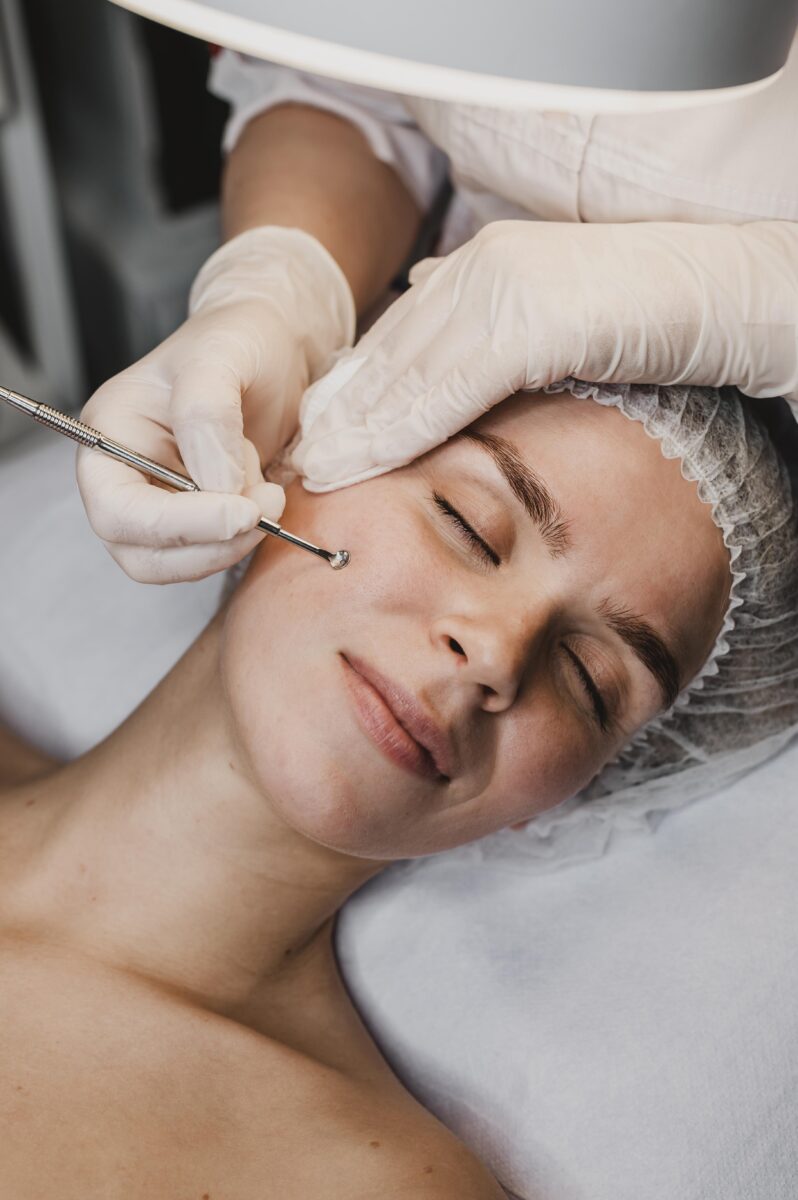
Acne is one of the most common skin concerns, but when it refuses to improve despite trying countless face washes, home remedies, or trending skincare products, it becomes far more than a cosmetic issue. Stubborn acne can affect confidence, leave permanent scars, and often signals that your skin needs professional care rather than another viral skincare hack.
If you’re searching for the best dermatologist in Mira Road Mumbai or looking for effective acne treatment in Mira Road Mumbai, understanding the treatments that genuinely work can save you time, money, and frustration.
In this comprehensive guide, we’ll explain dermatologist-recommended acne treatments, when to seek professional help, and how modern dermatology offers safe, evidence-based solutions for clearer skin.
Why Does Acne Become Stubborn?
Short Answer: Stubborn acne develops when the underlying causes aren’t addressed.
Many people assume acne is simply caused by oily skin. In reality, acne develops due to multiple factors working together.
These include:
- Excess oil (sebum) production
- Blocked pores
- Growth of Cutibacterium acne bacteria
- Inflammation
- Hormonal fluctuations
- Genetics
- Certain medications
- Stress (which may worsen existing acne)
According to the American Academy of Dermatology (AAD), acne affects up to 50 million Americans annually and can persist well into adulthood.
For many adults, especially women, hormonal acne can continue into their 30s and 40s.
When Should You See a Dermatologist?
If acne continues for more than 2–3 months despite using over-the-counter products, it’s time to consult a dermatologist.
Professional evaluation becomes even more important if:
- Pimples leave scars
- Acne is painful or cystic
- You notice dark marks after healing
- Breakouts affect your confidence
- Store-bought products aren’t helping
- Acne keeps returning
A qualified skin specialist in Mira Road Mumbai can determine the exact type of acne and recommend treatments based on your skin type instead of guesswork.
Why Over-the-Counter Products Often Fail
Many acne products promise overnight miracles.
Unfortunately, skin doesn’t work that way.
Common reasons include:
- Wrong ingredients
- Incorrect product combinations
- Over-exfoliation
- Delayed treatment
- Ignoring hormonal causes
Using multiple strong products together may actually damage the skin barrier, causing more irritation instead of improvement.
What Are the Best Dermatologist Treatments for Stubborn Acne?
The ideal treatment depends on your acne severity, age, hormonal profile, skin sensitivity, and whether acne scars are already present.
Let’s explore the most effective options.
1. Prescription Topical Medications
Best for: Mild to moderate acne
Dermatologists commonly prescribe:
Topical Retinoids
These help by:
- Preventing clogged pores
- Increasing skin cell turnover
- Reducing new breakouts
- Improving acne marks over time
Retinoids remain one of the gold-standard treatments recommended by dermatology guidelines.
Benzoyl Peroxide
This ingredient:
- Reduces acne-causing bacteria
- Lowers inflammation
- Helps prevent antibiotic resistance
It works particularly well when combined with prescription medications.
Azelaic Acid
Especially useful for:
- Sensitive skin
- Acne marks
- Mild acne
- Post-inflammatory pigmentation
2. Oral Medications
Best for: Moderate to severe acne
If creams alone aren’t enough, your dermatologist may prescribe oral medications.
Oral Antibiotics
These reduce bacterial growth and inflammation.
They are usually prescribed for a limited duration to minimize antibiotic resistance.
Hormonal Treatment
Some women experience acne linked to hormonal changes.
A dermatologist may recommend hormonal therapy after evaluating medical history.
Oral Isotretinoin
Often called the most effective treatment for severe acne.
It works by dramatically reducing oil production and preventing future breakouts.
However, it requires close medical supervision because of potential side effects and necessary monitoring.
According to the American Academy of Dermatology, isotretinoin can produce long-term remission in many patients with severe acne.
3. Chemical Peels
Best for: Acne marks, clogged pores, mild acne
Professional chemical peels use carefully selected acids to:
- Remove dead skin
- Improve texture
- Reduce pigmentation
- Control oil production
- Brighten dull skin
Unlike salon peels, dermatologist-supervised peels are customized according to your skin type.
4. Laser and Light Treatments
Modern dermatology has significantly advanced acne management.
Depending on the condition, your dermatologist may recommend:
Blue Light Therapy
Helps reduce acne-causing bacteria.
LED Therapy
May reduce inflammation and promote healing.
Laser Treatments
Certain lasers can improve:
- Active acne
- Redness
- Acne scars
- Skin texture
Treatment selection depends entirely on your skin evaluation.
5. Acne Scar Treatments
Many people believe acne scars are permanent.
Fortunately, several dermatologist procedures can significantly improve them.
Options include:
Microneedling
Stimulates collagen production.
Suitable for:
- Rolling scars
- Mild boxcar scars
- Skin texture improvement
Fractional CO₂ Laser
Often recommended for deeper acne scars.
It works by resurfacing damaged skin and stimulating collagen remodeling.
Recovery varies depending on treatment intensity.
Subcision
Useful for depressed acne scars attached to deeper tissues.
Often combined with other procedures for better results.
Can Diet Affect Acne?
Yes—but not to everyone.
Research suggests that some dietary patterns may influence acne severity.
Possible contributors include:
- High glycemic foods
- Sugary drinks
- Excessive processed foods
Some studies also suggest dairy may worsen acne in certain individuals.
However, diet alone rarely causes acne.
The American Academy of Dermatology recommends individualized dietary advice rather than unnecessary food restrictions.
Does Stress Cause Acne?
Stress doesn’t directly cause acne.
However, it can increase inflammation and trigger hormonal responses that make existing acne worse.
Healthy stress management may help reduce flare-ups alongside proper medical treatment.
Can Acne Be Permanently Cured?
Acne cannot always be permanently cured because hormones and genetics continue to influence the skin.
However, it can often be controlled extremely well with:
- Proper diagnosis
- Personalized treatment
- Consistent skincare
- Regular dermatologist follow-up
Many patients achieve long-lasting clear skin with professional care.
Daily Skincare Tips Dermatologists Recommend
Simple routines often work better than complicated ones.
Follow these habits:
Use a Gentle Cleanser
Avoid harsh scrubs.
Scrubbing irritates acne rather than removing it.
Moisturize Daily
Even oily skin needs moisturizer.
Choose non-comedogenic products.
Wear Sunscreen
UV exposure can worsen pigmentation left behind by acne.
Use a broad-spectrum SPF 30 or higher every morning.
Avoid Picking Pimples
Picking increases:
- Infection
- Inflammation
- Permanent scars
- Dark marks
Hands off—your future skin will thank you.
Be Patient
Most prescription acne treatments require 6–12 weeks before significant improvement becomes visible.
Consistency matters far more than switching products every few days.
Common Acne Myths
“Only Teenagers Get Acne.”
False.
Adult acne is increasingly common, particularly among women.
“Dirty Skin Causes Acne.”
No.
Acne develops inside clogged pores—not because your face isn’t clean.
Overwashing can actually worsen irritation.
“Sunlight Clears Acne.”
Temporary drying may occur, but UV exposure can increase pigmentation and skin damage.
Dermatologists do not recommend sun exposure as acne treatment.
“Natural Remedies Always Work.”
Not necessarily.
Ingredients like lemon juice or toothpaste can burn the skin and worsen inflammation.
Professional treatment remains the safest approach.
Why Personalized Acne Treatment Matters
Every person’s acne is different.
Two individuals with similar-looking pimples may require completely different treatment plans.
Factors dermatologists consider include:
- Age
- Skin type
- Hormonal status
- Existing scars
- Medical history
- Lifestyle
- Previous treatments
This personalized approach delivers far better results than self-medicating.
If you’re looking for a trusted dermatologist in Mira Road Mumbai, choosing a qualified specialist ensures that your treatment is tailored to your skin’s unique needs rather than following a one-size-fits-all routine.
Frequently Asked Questions
How long does acne treatment take?
Most treatments begin showing improvement within 6–12 weeks, although severe acne may require longer.
Will acne leave scars?
Inflammatory acne, especially cystic acne, may leave scars if left untreated or picked.
Can adults develop acne suddenly?
Yes. Hormonal changes, medications, stress, and genetics can all contribute to adult-onset acne.
Is laser treatment safe for acne?
When performed by a qualified dermatologist, laser treatments are generally safe and customized according to skin type and acne severity.
Can I wear makeup during acne treatment?
Yes. Choose non-comedogenic, oil-free makeup and remove it thoroughly before sleeping.
Final Thoughts
Stubborn acne isn’t something you simply have to “live with.” Modern dermatology offers a wide range of scientifically proven treatments that address the root causes of acne while minimizing the risk of scars and long-term skin damage.
Whether your acne is mild, hormonal, cystic, or leaving stubborn marks, early intervention makes a significant difference. Instead of relying on social media trends or experimenting with multiple products, consult a qualified skin specialist in Mira Road Mumbai who can create a personalized treatment plan based on your skin’s needs.
If you’re considering acne treatment in Mira Road Mumbai, professional care can help you achieve healthier, clearer skin with evidence-based solutions and ongoing guidance.