
Best Hair Growth Treatments Recommended by Dermatologists: What Actually Works?
July 17, 2026
Monsoon Skincare Tips: A Dermatologist’s Guide to Healthy, Glowing Skin During the Rainy Season
July 27, 2026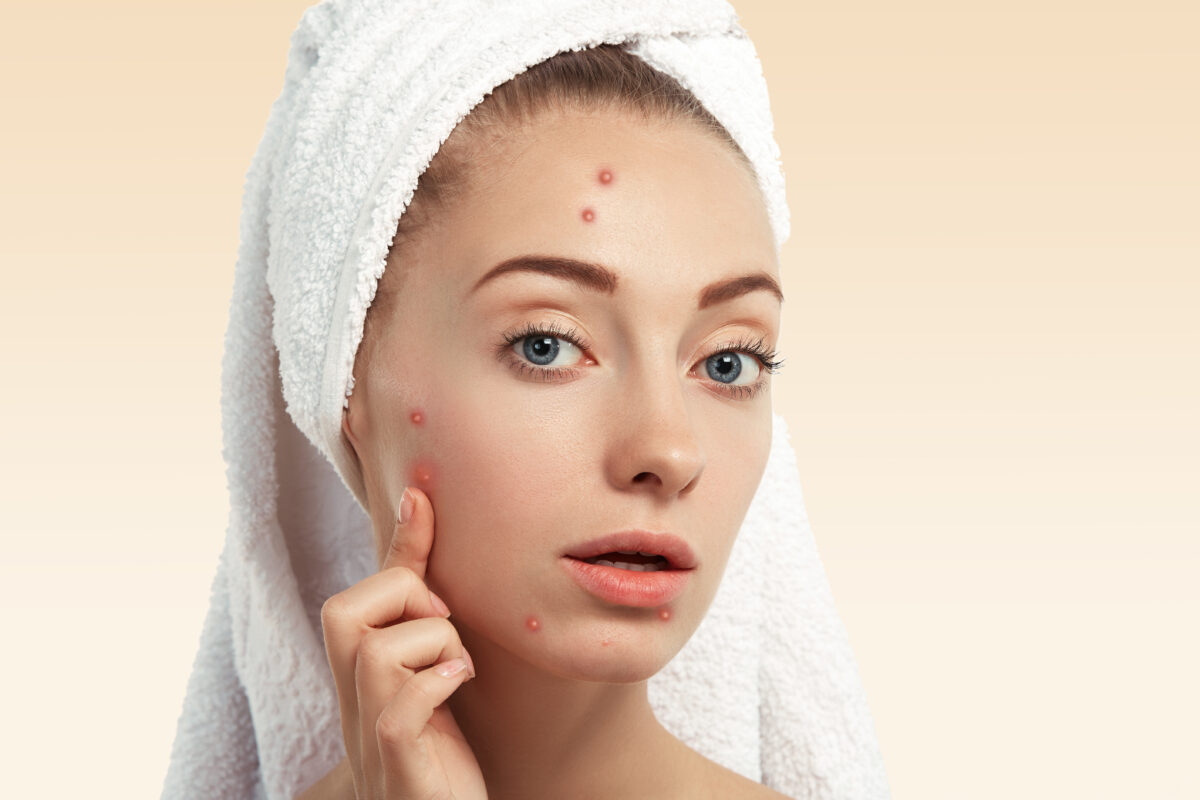
Why Does My Acne Get Worse Before My Period?
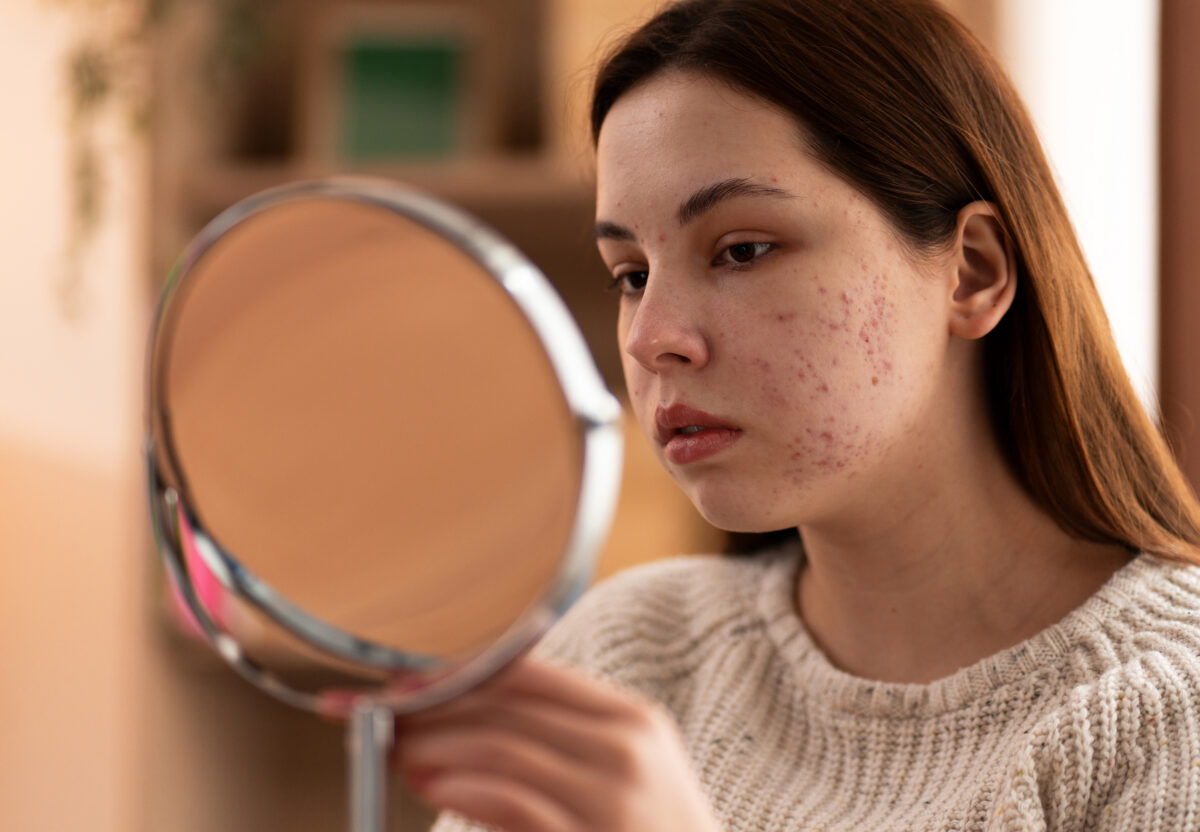
Have you ever noticed that just when your skin starts looking clear, a painful pimple suddenly appears a few days before your period? You’re not imagining it. Many women experience acne flare-ups during the days leading up to menstruation, even if their skin remains relatively clear throughout the rest of the month.
This type of acne, commonly known as period acne or menstrual acne, is primarily driven by hormonal changes. Understanding why these breakouts happen can help you manage them more effectively and reduce the frustration that comes with recurring monthly pimples.
In this article, we’ll explain why acne worsens before your period, how hormones affect your skin, and what treatments actually work.
What Is Period Acne?
Period acne refers to acne that consistently appears or worsens in the week before menstruation. It is considered a form of hormonal acne and commonly affects teenagers and adult women.
These breakouts often develop on the:
- Chin
- Jawline
- Lower cheeks
- Neck
Unlike small whiteheads, hormonal pimples tend to be deeper, more inflamed, and sometimes painful.
Why Does Acne Get Worse Before Your Period?
The answer lies in your menstrual cycle and the hormones that regulate it.
Hormonal Changes Trigger More Oil Production
Throughout the menstrual cycle, levels of estrogen and progesterone naturally rise and fall.
During the week before your period:
- Estrogen levels decrease.
- Progesterone levels also begin to fall.
- The relative effect of androgens (male hormones present in both men and women) becomes more noticeable.
These hormonal shifts stimulate the sebaceous (oil) glands to produce more sebum.
Excess oil combines with dead skin cells and bacteria inside hair follicles, creating the perfect environment for acne to develop.
According to the American Academy of Dermatology (AAD) and the American College of Obstetricians and Gynecologists (ACOG), hormonal fluctuations are a well-recognized cause of menstrual acne.
Why Are Pimples Usually on the Chin and Jawline?
One interesting feature of hormonal acne is its location.
The lower face contains many oil glands that respond strongly to hormonal changes.
As a result, hormonal acne commonly affects:
- Chin
- Jawline
- Around the mouth
- Neck
This pattern often helps dermatologists distinguish hormonal acne from other forms of acne.
When Does Period Acne Usually Appear?
Most women notice breakouts:
- 7–10 days before their period
- Just before menstruation begins
- Occasionally during the first few days of the period
Once hormone levels stabilize, the inflammation often settles, although existing pimples may take several days or weeks to heal.
Who Is More Likely to Get Menstrual Acne?
Period acne is more common if you:
- Have oily skin
- Have a family history of acne
- Experience irregular hormonal fluctuations
- Have polycystic ovary syndrome (PCOS)
- Already have persistent adult acne
- Experience stress regularly
Not everyone develops hormonal acne, but hormonal sensitivity varies from person to person.
Common Signs of Hormonal Acne
Hormonal acne often looks different from teenage acne.
Signs include:
- Deep, tender pimples
- Red inflamed bumps
- Painful cysts
- Breakouts that recur every month
- Acne concentrated on the lower face
- Pimples that leave dark marks after healing
Recognizing these patterns helps determine the most appropriate treatment.
Does Stress Make Period Acne Worse?
Yes.
Stress does not directly cause acne, but it can make existing acne worse.
When you’re stressed, your body produces higher levels of cortisol. Increased cortisol may indirectly stimulate oil production and promote inflammation.
If your premenstrual week already includes hormonal changes, added stress may increase the severity of breakouts.
Can Diet Cause Period Acne?
Diet alone does not directly cause hormonal acne, but certain foods may worsen acne in some individuals.
Research suggests that diets with a high glycemic load may contribute to acne in susceptible people. Some studies also suggest an association between dairy intake and acne, although the evidence is mixed and varies between individuals.
Rather than eliminating entire food groups without medical advice, focus on:
- Whole grains
- Fresh fruits and vegetables
- Lean protein
- Healthy fats
- Adequate hydration
A balanced diet supports overall skin health.
Should You Pop Hormonal Pimples?
Short answer: No.
Squeezing pimples can:
- Push inflammation deeper into the skin
- Increase the risk of infection
- Delay healing
- Cause permanent acne scars
- Lead to post-inflammatory pigmentation
If a pimple is painful or large, a dermatologist can recommend safer treatment options.
How Can You Prevent Period Acne?
While hormonal changes cannot be completely stopped, you can reduce their effect on your skin.
1. Maintain a Consistent Skincare Routine
Choose gentle products that suit acne-prone skin.
Look for:
- Mild cleanser
- Non-comedogenic moisturizer
- Broad-spectrum sunscreen
- Acne treatments recommended by your dermatologist
Consistency is more important than using many products.
2. Use Proven Acne Ingredients
Depending on your skin type, a dermatologist may recommend ingredients such as:
- Benzoyl peroxide
- Salicylic acid
- Topical retinoids
- Azelaic acid
These ingredients help prevent clogged pores and reduce inflammation.
Avoid starting strong active ingredients without professional guidance, especially if you have sensitive skin.
3. Don’t Skip Sunscreen
Many acne treatments make the skin more sensitive to sunlight.
Daily sunscreen helps:
- Prevent dark acne marks
- Protect the skin barrier
- Reduce UV-related pigmentation
Choose a non-comedogenic sunscreen designed for oily or acne-prone skin.
4. Manage Stress
Stress management won’t eliminate hormonal acne, but it can reduce flare-ups.
Helpful habits include:
- Regular exercise
- Quality sleep
- Meditation
- Yoga
- Relaxation techniques
Your skin often appreciates good sleep almost as much as you do.
5. See a Dermatologist for Persistent Acne
If you develop painful monthly breakouts despite good skincare, professional evaluation is worthwhile.
A dermatologist may recommend:
- Prescription topical medications
- Oral antibiotics (for selected cases)
- Hormonal therapy, such as certain combined oral contraceptives, when appropriate
- Spironolactone for selected adult women under medical supervision
- Procedures like chemical peels or light-based treatments in suitable cases
Treatment depends on your medical history, acne severity, and overall health.
Can Hormonal Acne Be Permanently Cured?
Hormonal acne is usually manageable rather than permanently curable.
Many women notice improvement with:
- Consistent skincare
- Appropriate medical treatment
- Lifestyle modifications
- Hormonal balance over time
With the right approach, most patients experience fewer breakouts and healthier skin.
When Should You See a Dermatologist?
Consult a dermatologist if:
- Acne leaves scars.
- Breakouts are painful or cystic.
- Over-the-counter treatments haven’t helped after several weeks.
- Acne affects your confidence or mental well-being.
- You also have irregular periods, excessive facial hair, or sudden weight gain, as these may warrant evaluation for conditions such as PCOS.
Early treatment often helps prevent long-term scarring.
Frequently Asked Questions
Is it normal to get acne before every period?
Yes. Many women experience hormonal acne before menstruation due to natural hormonal fluctuations that increase oil production.
How many days before my period does acne usually appear?
Breakouts commonly begin 7 to 10 days before menstruation, although the timing varies between individuals.
Why is hormonal acne usually painful?
Hormonal acne often develops deeper within the skin, leading to larger, more inflamed, and tender pimples than typical surface acne.
Can birth control help hormonal acne?
Certain combined oral contraceptive pills may improve hormonal acne in some women. They should only be used after evaluation and prescription by a qualified healthcare professional.
Does washing my face more often prevent period acne?
No. Overwashing can irritate the skin and damage the skin barrier. Washing twice daily with a gentle cleanser is usually sufficient.
Will hormonal acne go away with age?
For some women, hormonal acne improves over time, while others continue to experience adult acne into their 30s or 40s. Effective treatment can help control symptoms.
Final Thoughts
If your acne seems to arrive like clockwork before every period, hormones are likely playing a significant role. While monthly breakouts can be frustrating, they’re also common and treatable.
The key is understanding your skin’s patterns, following a consistent skincare routine, and seeking professional advice if acne becomes painful, persistent, or leaves scars. Early treatment not only improves your skin but also reduces the risk of long-term pigmentation and scarring.
Healthy skin isn’t about achieving perfection it’s about giving your skin the care it needs throughout every stage of your hormonal cycle.