
Vitiligo: Myths, Causes & Latest Treatments – What You Need to Know
April 20, 2026
What Foods Should Vitiligo Patients Avoid? A Dermatologist’s Guide to Diet and Skin Health
June 16, 2026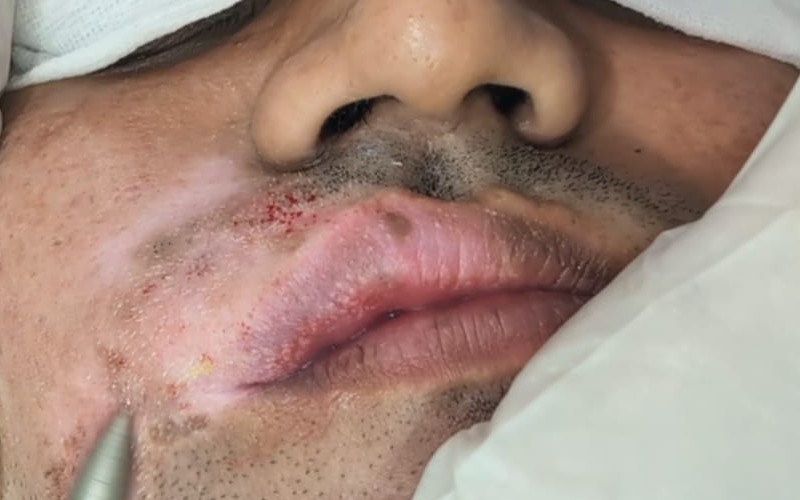
Vitiligo is more than a cosmetic skin condition. For many people, the appearance of white patches on the skin can affect confidence, social interactions, and emotional well-being. The good news is that modern dermatology offers several effective treatment options that can help restore pigmentation and improve quality of life.
India has become a leading destination for advanced vitiligo care, offering everything from medical therapies and phototherapy to cutting-edge surgical procedures. Understanding the available treatments can help patients make informed decisions and seek timely care from an experienced vitiligo specialist.
In this guide, we’ll explore the best vitiligo treatment options in India, who they are suitable for, and what results patients can realistically expect.
Understanding Vitiligo
Vitiligo is a chronic autoimmune condition in which the body’s immune system attacks melanocytes, the cells responsible for producing skin pigment (melanin). This leads to the development of white patches on different parts of the body.
According to the American Academy of Dermatology (AAD), vitiligo affects people of all skin types, though it is often more noticeable in individuals with darker skin tones.
Common areas affected include:
- Face
- Hands and feet
- Lips
- Around the eyes
- Elbows and knees
- Genital region
While vitiligo is not contagious or life-threatening, early treatment often provides better outcomes.
Why Early Vitiligo Treatment Matters
Many patients delay treatment because they believe nothing can be done. However, advances in dermatology have significantly improved treatment success rates.
Early intervention can:
- Slow disease progression
- Prevent new patches from developing
- Improve repigmentation outcomes
- Reduce psychological stress
- Increase the effectiveness of combination therapies
A consultation with an experienced vitiligo specialist can help determine the most suitable treatment plan based on disease activity, age, skin type, and affected body areas.
Medical Management for Vitiligo
What Is Medical Management?
Medical Management is often the first step in treating vitiligo, particularly during the active phase of the disease.
Dermatologists may prescribe medications that help control the immune response and encourage repigmentation.
Treatment options may include:
- Topical corticosteroids
- Calcineurin inhibitors
- Oral medications when necessary
- Antioxidant support in selected cases
The goal is to stabilize the condition and create a favorable environment for pigment-producing cells to recover.
Medical management works best when initiated early and monitored regularly by a qualified dermatologist.
NB-UVB Phototherapy: The Gold Standard Treatment
What Is NB-UVB Phototherapy?
NB-UVB Phototherapy (Narrowband Ultraviolet B Therapy) is considered one of the most effective and widely recommended treatments for generalized vitiligo.
The treatment uses a specific wavelength of ultraviolet light (311-313 nm) to stimulate melanocytes and encourage repigmentation.
Benefits of NB-UVB Phototherapy
- Suitable for children and adults
- Effective for widespread vitiligo
- Non-invasive treatment
- Minimal downtime
- Can be combined with medications
Patients typically undergo treatment two to three times per week under dermatologist supervision.
Research published by organizations such as the British Association of Dermatologists recognizes NB-UVB as a first-line treatment for many patients with vitiligo.
Who Benefits Most?
NB-UVB Phototherapy often works best for:
- Recent vitiligo patches
- Facial lesions
- Neck involvement
- Trunk lesions
Areas such as hands and feet may respond more slowly.
Excimer Laser Therapy for Localized Vitiligo
What Is Excimer Laser Therapy?
Excimer Laser Therapy delivers targeted ultraviolet light directly to vitiligo patches without exposing surrounding healthy skin.
Unlike full-body phototherapy, this treatment focuses only on affected areas.
Advantages of Excimer Laser Therapy
- Precise treatment delivery
- Suitable for localized vitiligo
- Faster response in selected patients
- Useful for facial vitiligo
- Can be combined with topical medications
Many patients notice improvement after several sessions, although results vary depending on patch location and disease duration.
Ideal Candidates
Excimer Laser Therapy is often recommended for:
- Small vitiligo patches
- Stable disease
- Facial vitiligo
- Patients who prefer targeted treatment
Combination Therapy: A Modern Approach
Why Combination Therapy Works Better
Vitiligo is a complex condition, and no single treatment works for every patient.
Combination Therapy involves using multiple treatment methods together to improve outcomes.
Common combinations include:
- Medical Management + NB-UVB Phototherapy
- Excimer Laser Therapy + topical medications
- Surgical procedures + phototherapy
- Medical therapy + antioxidants
Combining treatments can often enhance repigmentation while helping maintain long-term stability.
Your dermatologist will determine the most effective combination based on your specific case.
Surgical Vitiligo Treatment for Stable Vitiligo
When Is Surgery Considered?
Surgical Vitiligo Treatment is generally reserved for patients whose vitiligo has remained stable for an extended period and has not responded adequately to conventional therapies.
Before surgery, dermatologists carefully evaluate disease stability and patient suitability.
Benefits of Surgical Treatment
- Can provide long-lasting repigmentation
- Effective for resistant patches
- Suitable for stable vitiligo
- Useful in cosmetically sensitive areas
Surgical procedures are performed by specially trained dermatologists experienced in vitiligo surgery.
Melanocyte Cell Transplantation: Advanced Surgical Treatment
What Is Melanocyte Cell Transplantation?
Melanocyte Cell Transplantation is one of the most advanced surgical treatments available for stable vitiligo.
The procedure involves harvesting healthy pigment-producing cells from a patient’s normal skin and transplanting them into depigmented areas.
How It Works
The process typically includes:
- Harvesting a small sample of healthy skin.
- Separating melanocyte cells in a controlled environment.
- Preparing the vitiligo patch.
- Applying the melanocyte suspension to the affected area.
Benefits of Melanocyte Cell Transplantation
- Effective for stable vitiligo
- Suitable for difficult-to-treat areas
- Can achieve excellent cosmetic outcomes
- Uses the patient’s own cells
Studies published in peer-reviewed dermatology journals have shown promising repigmentation results in carefully selected patients.
However, proper patient selection remains critical for success.
Which Vitiligo Treatment Is Right for You?
The best treatment depends on several factors:
Disease Activity
Active vitiligo may require Medical Management before other therapies are considered.
Extent of Involvement
Widespread vitiligo often responds well to NB-UVB Phototherapy.
Location of Patches
Facial lesions frequently respond better than hands and feet.
Disease Stability
Stable vitiligo may be eligible for Surgical Vitiligo Treatment or Melanocyte Cell Transplantation.
Age and Lifestyle
Treatment plans should fit comfortably into the patient’s daily routine.
A personalized evaluation remains the most reliable way to identify the ideal treatment approach.
Finding a Vitiligo Specialist in Mira Road
If you’re searching for a vitiligo specialist in Mira Road, choosing a dermatologist with experience in both medical and surgical vitiligo management is essential.
An experienced dermatologist in Mira Road can evaluate:
- Disease stability
- Pattern of vitiligo
- Previous treatment response
- Suitability for phototherapy
- Eligibility for surgical procedures
Patients should seek clinics that offer comprehensive care, including Medical Management, NB-UVB Phototherapy, Excimer Laser Therapy, Combination Therapy, and advanced procedures such as Melanocyte Cell Transplantation.
Why Expert Dermatological Care Matters
Vitiligo treatment has evolved significantly over the last decade. What was once considered difficult to treat now has multiple evidence-based solutions.
Working with an experienced vitiligo specialist ensures:
- Accurate diagnosis
- Personalized treatment planning
- Regular monitoring
- Better treatment outcomes
- Access to advanced technologies
Every patient responds differently, which is why customized treatment plans are critical.
Conclusion
There is no one-size-fits-all solution for vitiligo, but there are more effective treatment options available today than ever before. From Medical Management and NB-UVB Phototherapy to Excimer Laser Therapy, Combination Therapy, Surgical Vitiligo Treatment, and Melanocyte Cell Transplantation, modern dermatology offers hope for many patients.
The key is early evaluation, proper diagnosis, and treatment by an experienced vitiligo specialist. With the right approach, many patients achieve significant repigmentation and improved confidence.
If you have noticed new white patches or existing vitiligo is progressing, consult a qualified dermatologist for a personalized assessment and treatment plan.