
Food Allergies That Show on Your Skin: What Your Body Is Trying to Tell You
March 25, 2026
Best Vitiligo Treatment Options in India: A Complete Guide for Patients
June 10, 2026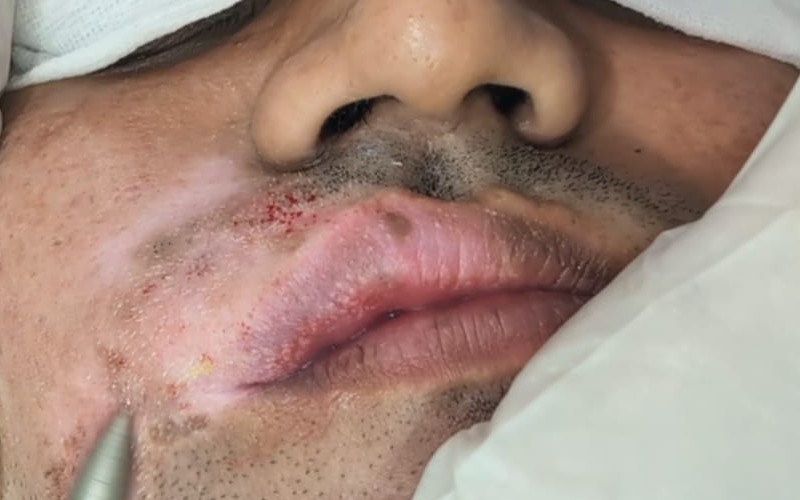
White patches on the skin often bring more than just cosmetic concerns; they come with confusion, fear, and unfortunately, a lot of misinformation.
Vitiligo is one of the most misunderstood skin conditions. Many people delay treatment simply because they believe myths that aren’t true.
Let’s clear the confusion and understand what vitiligo really is and how modern dermatology can effectively manage it.
What Is Vitiligo?
Vitiligo is a condition where the skin loses its natural pigment (melanin), leading to white patches.
This happens when melanocytes the cells responsible for producing pigment, are damaged or stop functioning.
According to the American Academy of Dermatology, vitiligo can affect people of all skin types and ages.
It is not life-threatening, but it can impact confidence and emotional well-being.
Common Myths About Vitiligo (And the Truth)
Let’s address the most common misconceptions:
❌ Myth 1: Vitiligo Is Contagious
Truth: It does not spread through touch, sharing food, or contact.
❌ Myth 2: It Happens Only Due to Poor Hygiene
Truth: Vitiligo has nothing to do with cleanliness.
❌ Myth 3: There Is No Treatment
Truth: Modern dermatology offers multiple effective treatments, especially when diagnosed early.
❌ Myth 4: It Always Spreads Rapidly
Truth: Progression varies. Some cases remain stable for years.
What Causes Vitiligo?
The exact cause is complex, but research points to multiple factors:
1. Autoimmune Response
The immune system mistakenly attacks melanocytes.
This is considered the primary cause.
2. Genetic Factors
Vitiligo can run in families, although not always.
3. Oxidative Stress
Damage from free radicals may affect pigment cells.
4. Triggers
Certain triggers can worsen or initiate vitiligo:
- Stress
- Skin injury
- Sunburn
- Chemical exposure
Early Signs You Should Not Ignore
- Small white patches on face, hands, or lips
- Premature greying of hair
- Patchy loss of skin color
- Symmetrical depigmentation
If you notice these, consulting a vitiligo specialist in Mira Road and Mumbai early can make a significant difference.
Latest Treatments for Vitiligo (What Actually Works)
Modern dermatology has moved far beyond basic creams.
Here are the most effective, evidence-based treatments:
1. Medical Therapy
Topical medications help control progression and stimulate pigmentation.
These include:
- Corticosteroids
- Calcineurin inhibitors
2. Excimer Laser Light Therapy
One of the most advanced options today.
Excimer laser light therapy targets affected areas with precise UVB light.
Benefits:
- Stimulates melanocyte activity
- Suitable for localized vitiligo
- Minimal exposure to surrounding skin
This is widely recommended by dermatologists for early and stable cases.
3. Melanocyte Cell Transplantation
For stable vitiligo, this is a game-changing treatment.
Melanocyte cell transplantation involves transferring healthy pigment cells to affected areas.
It is ideal when:
- Vitiligo is stable
- Patches are resistant to other treatments
Results can be long-lasting when performed by experienced specialists.
4. Phototherapy (Narrowband UVB)
Used for widespread vitiligo.
It helps:
- Stimulate pigmentation
- Slow disease progression
5. Combination Therapy
Often, the best results come from combining treatments like:
- Laser + medication
- Transplant + phototherapy
A personalized plan from a vitiligo specialist in Mira Road and Mumbai ensures better outcomes.
Current Trend: DIY Treatments & Misinformation
Many people today try home remedies or social media “cures.”
This can:
- Delay proper treatment
- Worsen the condition
- Cause skin damage
Vitiligo is a medical condition not something to experiment with.
Common Mistakes to Avoid
- Ignoring early symptoms
- Relying on unverified home remedies
- Delaying dermatologist consultation
- Stopping treatment midway
- Expecting instant results
Pro Tips from Dermatologists
- Start treatment early for better results
- Protect skin from sunburn
- Maintain a consistent treatment plan
- Avoid harsh chemicals on affected areas
- Focus on overall skin health
FAQ Section
Is vitiligo permanent?
It can be managed effectively. Some treatments help restore pigmentation.
Does vitiligo spread to the whole body?
Not always. Many cases remain localized or stable.
Is laser treatment safe for vitiligo?
Yes, excimer laser light therapy is considered safe and effective under medical supervision.
Who is suitable for melanocyte transplantation?
Patients with stable vitiligo who have not responded to other treatments.
When should I consult a specialist?
As soon as you notice white patches or changes in skin color.
Conclusion
Vitiligo isn’t just about white patches—it’s about clarity, confidence, and taking control at the right time.
The truth is simple: the earlier you act, the better your results. Modern dermatology has completely changed the game. Treatments like excimer laser light therapy and melanocyte cell transplantation are no longer rare options; they are proven, targeted solutions that can restore pigment and improve skin appearance when done correctly.
What really matters is not chasing random remedies but choosing the right diagnosis and the right specialist.
If your skin is showing signs, don’t wait for it to “go away.” It usually doesn’t.
Take the next step with a trusted vitiligo specialist in Mira Road and Mumbai who understands both the medical and emotional side of this condition.Because when it comes to vitiligo, early action isn’t just helpful, it’s transformative.