
Noticing dark, thick or velvety skin around your neck, underarms or groin? These changes may be a sign of acanthosis nigricans, a skin condition that can sometimes be associated with insulin resistance, prediabetes, diabetes or certain hormonal conditions.
At SkinHealth Clinic in Mira Road, Dr. Safa Patrick can assess changes in skin colour and texture, help identify possible contributing factors and discuss appropriate treatment options.
If you are searching for dark neck treatment in Mira Road or a dermatologist for acanthosis nigricans, understanding the underlying cause is an important first step.
What Is Acanthosis Nigricans?
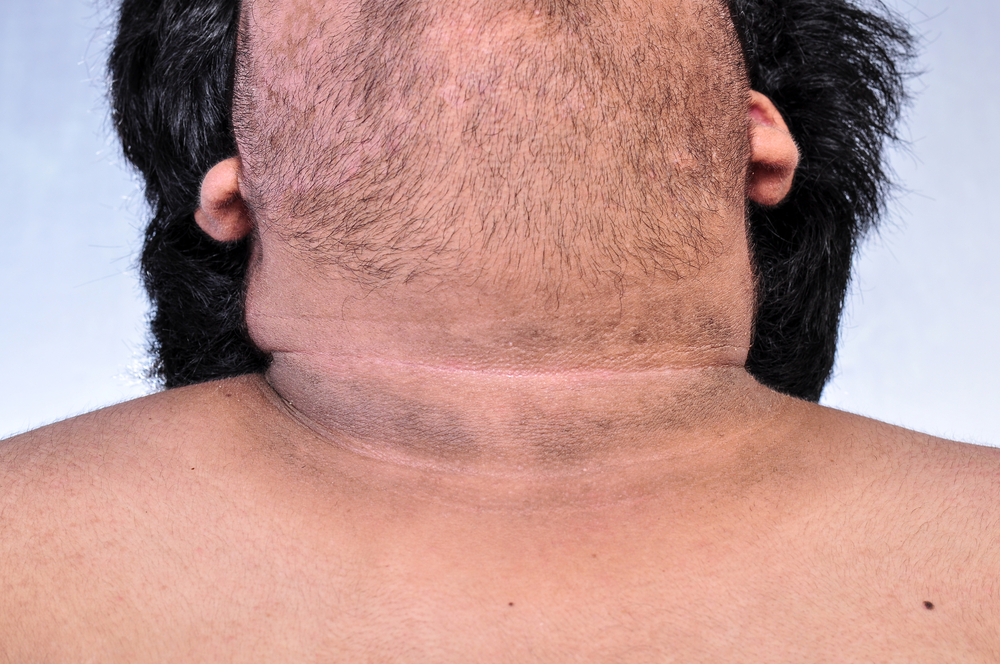
Acanthosis nigricans is a skin condition that causes patches of darker, thicker skin with a velvety texture. It commonly affects the back of the neck, underarms and groin, but may also appear on the knuckles, elbows and other skin folds.
The condition is not contagious. Although it can occur in otherwise healthy people, it may sometimes be associated with an underlying medical or hormonal condition.
What Causes Acanthosis Nigricans?
Possible contributing factors include:
- Insulin resistance: The body does not respond to insulin as effectively as it should.
- Prediabetes or diabetes: Acanthosis nigricans can sometimes be a visible sign of altered blood sugar regulation.
- Hormonal conditions: Conditions such as polycystic ovary syndrome (PCOS) may be associated with insulin resistance.
- Family history: Some people develop the condition due to inherited factors.
- Certain medications: Some medicines may contribute to these skin changes.
Having dark skin around the neck or underarms does not automatically mean you have diabetes. A medical assessment can help determine whether further evaluation is appropriate.

Signs and Symptoms of Acanthosis Nigricans
You may notice:
- Dark brown or greyish-black patches on the skin
- Thickened skin with a velvety texture
- Darkening around the neck or underarms
- Similar changes in the groin or skin folds
- Occasionally, itching or skin tags in affected areas
These changes may develop gradually. If dark, thickened patches appear suddenly or spread rapidly, seek prompt medical assessment. Sudden widespread changes can occasionally indicate a more serious underlying condition.
How Is Acanthosis Nigricans Diagnosed?
A dermatologist will examine the affected skin and review your symptoms, medical history and any relevant medications.
Depending on the findings, your doctor may recommend blood glucose testing, HbA1c or other investigations to check for associated conditions. Further evaluation may be appropriate if the appearance is unusual or the diagnosis is uncertain.
Acanthosis Nigricans Treatment
Treatment depends on the cause, the severity of the skin changes and your individual needs.
1. Addressing the underlying cause
If insulin resistance, diabetes or a hormonal condition is contributing to the skin changes, managing that condition may help improve the appearance of the skin.
2. Dermatologist-prescribed topical treatment
Selected creams or other topical medicines may help improve skin thickness or pigmentation in suitable cases. Treatment should be chosen according to the affected area and your skin type.
3. In-clinic treatment options
Certain procedures may be considered for selected patients after assessment. The appropriate option depends on the diagnosis and the thickness and pigmentation of the affected skin. Improvement is not guaranteed, and treatment of pigmentation alone does not address an underlying medical cause.
4. Lifestyle and medical guidance
When relevant, your doctor may discuss sustainable lifestyle measures and appropriate medical follow-up to help manage associated metabolic risk factors.
Avoid aggressive scrubbing, unprescribed bleaching creams or strong exfoliating products. These can irritate the skin and make discoloration worse.
What Improvement Can Be Expected?
Improvement depends on what is causing the condition. When an underlying contributing factor is identified and managed, the skin may become lighter or smoother over time. However, pigmentation may not disappear completely, and some cases require ongoing care.
When to See a Dermatologist
Consider a consultation if you notice:
- Persistent dark, thickened skin around the neck or underarms
- Skin changes that are spreading or becoming more prominent
- Dark patches accompanied by other symptoms that concern you
- Recurrent pigmentation that does not improve with routine skin care
Seek prompt medical assessment if the dark, velvety patches develop suddenly or spread rapidly.
Acanthosis Nigricans Treatment in Mira Road
If you are looking for acanthosis nigricans treatment in Mira Road, consult Dr. Safa Patrick at SkinHealth Clinic for a dermatologist-led evaluation of darkened, thickened skin.
The aim is to assess the skin changes, identify possible underlying factors and recommend a suitable management plan based on your individual needs.
Frequently Asked Questions About Acanthosis Nigricans
Book an Acanthosis Nigricans Consultation in Mira Road
You can contact SkinHealth Clinic in Mira Road to arrange a consultation with Dr. Safa Patrick for evaluation of dark, thickened skin and discussion of suitable treatment options.