Dandruff is a common scalp concern that can cause white or yellowish flakes, itching, dryness, oiliness and scalp irritation. When dandruff is persistent or keeps returning despite regular shampooing, it may sometimes be associated with conditions such as seborrheic dermatitis, scalp psoriasis, eczema or other scalp disorders.

At SkinHealth, dandruff and scalp problems are evaluated by a dermatologist to identify the likely cause and severity. Treatment is personalized according to your scalp condition and may include medicated shampoos, topical treatments and a dermatologist-recommended scalp-care routine.

Dandruff Treatment with a Dermatologist in Mira Road

Not every flaky or itchy scalp is caused by ordinary dandruff. A dermatologist can assess your symptoms and distinguish dandruff from other scalp conditions.

Common conditions that may cause similar symptoms include:

  • Seborrheic dermatitis
  • Scalp psoriasis
  • Scalp eczema or dermatitis
  • Fungal and other scalp infections
  • Irritant or allergic reactions to hair products
  • Other inflammatory scalp conditions

Accurate diagnosis helps determine the most appropriate treatment.

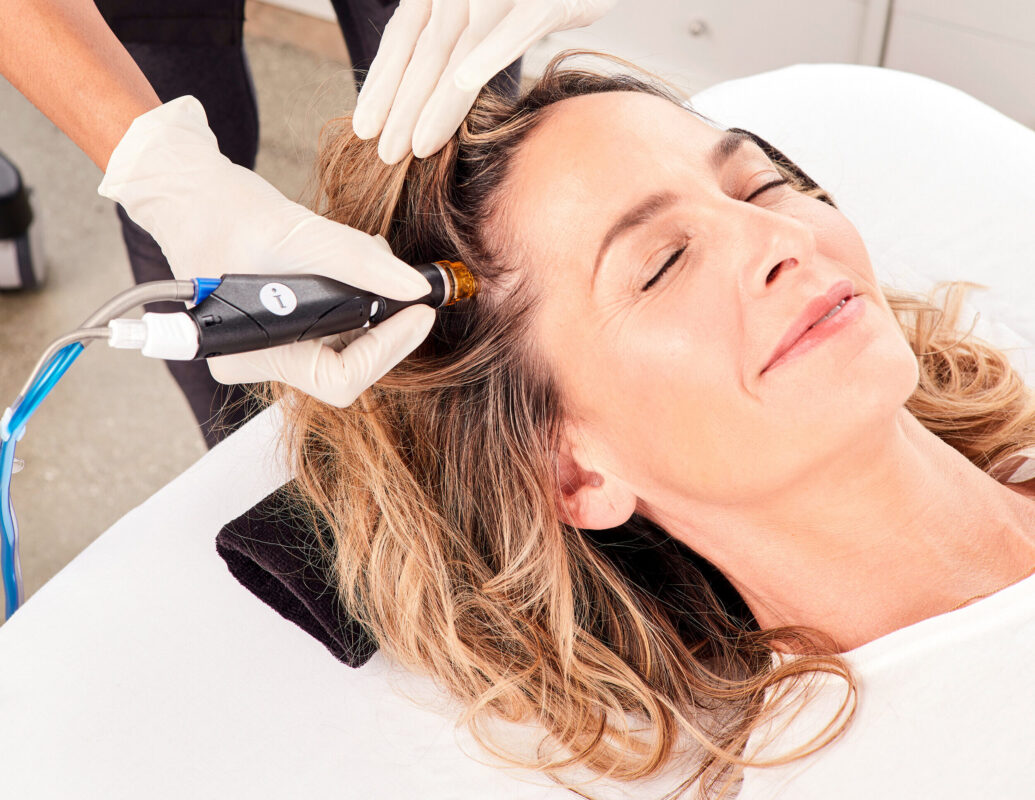
HydraFacial_xxx_Treatment_0030HydraFacial-Keravive-by-Remedy-Aesthetics-And-Wellness-in-Tupelo-MS

Medicated Shampoos for Dandruff

Depending on the diagnosis, a dermatologist may recommend a medicated shampoo containing ingredients that help control scalp flaking, oiliness, yeast overgrowth or inflammation.

The frequency and duration of use depend on the individual scalp condition.

Topical Treatment and Scalp-Care Routines

When dandruff is associated with significant itching or inflammation, prescription or dermatologist-recommended topical treatments may be used to control symptoms.

A personalized scalp-care routine can help manage recurring dandruff. Your dermatologist may advise you about hair-washing frequency, product selection and ways to reduce scalp irritation.

If the symptoms are caused by seborrheic dermatitis, psoriasis, eczema, infection or another scalp disorder, treatment is directed toward the underlying condition rather than dandruff alone.

Why Choose SkinHealth for Dandruff Treatment?

  • Dermatologist-led evaluation of persistent dandruff
  • Assessment of the underlying cause of scalp flaking and itching
  • Personalized treatment according to scalp type and severity
  • Medicated shampoos and topical treatment when clinically appropriate
  • Management of recurring scalp inflammation
  • Guidance on scalp hygiene and maintenance
  • Evaluation of associated hair and scalp concerns

Benefits of Appropriate Dandruff Treatment

Appropriate treatment may help:

  • Reduce visible scalp flakes
  • Relieve itching and scalp discomfort
  • Control scalp inflammation
  • Improve scalp condition
  • Manage recurring dandruff
  • Identify scalp conditions that may resemble dandruff
  • Support healthier hair and scalp care

Dandruff can recur in some individuals, so a maintenance routine may be recommended depending on the underlying cause.

Dandruff, Hair Loss and Seborrheic Dermatitis

Dandruff itself does not usually cause permanent hair loss. However, significant scalp inflammation, itching and repeated scratching may contribute to temporary increased shedding or hair breakage.

If dandruff occurs together with noticeable hair fall, bald patches, scalp pain or significant inflammation, a dermatologist should evaluate the scalp to identify the underlying cause.

Dandruff and seborrheic dermatitis are closely related but are not necessarily the same condition. Dandruff generally causes scalp flaking without significant inflammation. Seborrheic dermatitis may cause redness, itching, greasy scales and inflammation, and can also affect areas such as the eyebrows, ears, beard area and sides of the nose.

A dermatologist can help determine which condition is responsible for your symptoms.

When to See a Dermatologist for Dandruff

Consider a dermatology consultation if:

  • Dandruff persists despite using an anti-dandruff shampoo
  • Scalp itching is persistent or severe
  • You have redness or significant inflammation
  • Thick scales or plaques develop
  • The scalp becomes painful or develops sores
  • Dandruff repeatedly returns after treatment
  • You notice unusual hair shedding
  • Flaking also affects the eyebrows, ears or face
  • You are unsure whether the problem is actually dandruff

Persistent scalp symptoms should not automatically be treated as simple dandruff.

Dandruff Treatment in Mira Road, Mumbai

If you are searching for dandruff treatment in Mira Road, SkinHealth provides dermatologist-led evaluation and treatment for dandruff, seborrheic dermatitis and other scalp conditions.

Your treatment plan is based on the underlying cause, severity of symptoms and your individual scalp needs.

Frequently Asked Questions

1What causes dandruff?
Dandruff is associated with scalp skin-cell turnover and the activity of naturally occurring yeast such as Malassezia. Scalp oiliness and individual sensitivity can also influence symptoms.
2Is dandruff a fungal infection?
Dandruff is not simply a fungal infection. Malassezia yeast naturally lives on the skin and can contribute to dandruff and seborrheic dermatitis in susceptible individuals.
3Can a dermatologist treat dandruff?
Yes. A dermatologist can evaluate persistent or severe dandruff and determine whether it is ordinary dandruff or another scalp condition requiring different treatment.
4What is the best treatment for dandruff?
There is no single treatment that is best for everyone. Depending on the cause and severity, treatment may include medicated shampoos, topical medicines and an appropriate scalp-care routine.
5Can dandruff cause hair loss?
Dandruff does not usually cause permanent hair loss. However, inflammation and repeated scratching may contribute to temporary shedding or hair breakage.
6Can dandruff come back after treatment?
Dandruff and seborrheic dermatitis can be recurrent conditions. Symptoms may return when treatment is stopped or when maintenance scalp care is not continued.
7How often should I wash my hair if I have dandruff?
The appropriate washing frequency depends on your scalp type, oiliness and treatment plan. A dermatologist can recommend a routine suitable for your condition.
8Is dandruff contagious?
No. Ordinary dandruff is not considered contagious and does not spread from one person to another.

Book a Dandruff and Scalp Consultation at SkinHealth

If your dandruff keeps returning or your scalp is persistently itchy, flaky or inflamed, professional evaluation can help identify the underlying problem.

Book a consultation at SkinHealth by Dr. Safa Patrick in Mira Road for dermatologist-led dandruff and scalp treatment.