
Acne is one of the most common skin conditions affecting teenagers and adults. Persistent acne can cause inflammation, pimples, blackheads, whiteheads and painful breakouts. When acne heals, it may leave behind acne marks, pigmentation or permanent acne scars.
At SkinHealth, Mira Road, Dr Safa Patrick, a dermatologist and skin specialist, provides personalised acne treatment and acne scar treatment in Mira Road based on the patient's age, skin type, acne severity, medical history and type of scarring.
Treatment may include dermatologist-prescribed topical or oral medicines, acne peels, skincare, lifestyle guidance and selected procedures for acne scars such as microneedling, PRP or laser-based treatments when clinically appropriate.
The objective is to control active acne, reduce the risk of new breakouts, prevent scarring and improve the appearance and texture of existing acne scars.
Acne Treatment in Mira Road
Types of Acne
Common forms of acne include:
- Blackheads and whiteheads
- Red or inflamed pimples
- Pus-filled acne lesions
- Painful nodules and cysts
- Hormonal or adult acne
- Acne affecting the face, chest or back
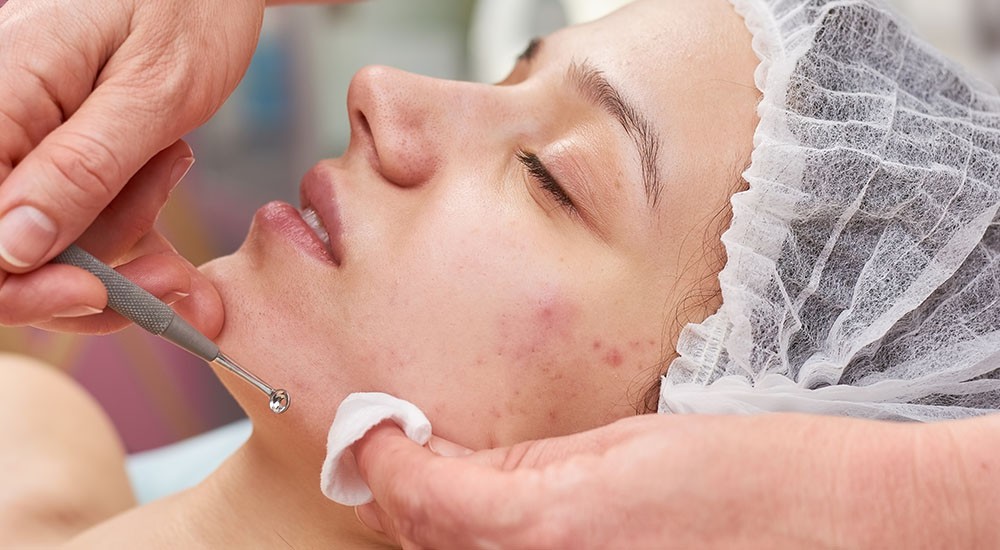
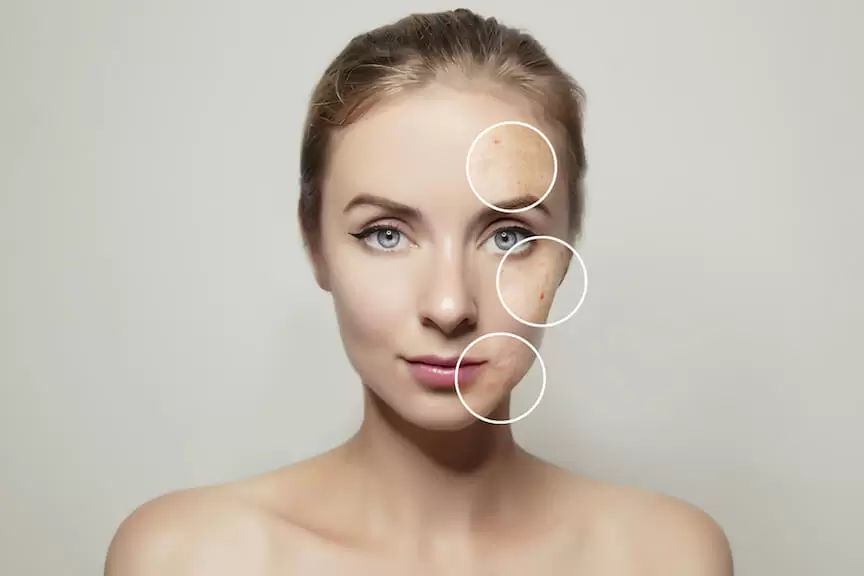
Acne can appear differently in every patient. Some people have occasional pimples, while others may experience persistent inflammatory or cystic acne.
Dr Safa Patrick evaluates the type and severity of acne before recommending a suitable treatment plan.
Depending on the condition, acne treatment may include prescription topical medicines, oral medications, anti-acne treatments, chemical peels and personalised skincare.
Early treatment can help control active acne and reduce the risk of long-term acne marks and scars.
Acne Marks and Acne Scars
Acne scars can remain after active acne has healed and may affect the texture and appearance of the skin.
Not every acne mark is an acne scar. Some patients develop post-inflammatory hyperpigmentation or redness, while others develop depressed or raised scars.
Common Types of Acne Scars
Common types of acne scars include:
Ice Pick Scars
These are narrow, deeper depressions that extend into the skin.
Boxcar Scars
These scars have defined edges and can appear as shallow or deeper depressions.
Rolling Scars
Rolling scars create an uneven skin texture because of changes beneath the skin surface.
Raised Scars
Some individuals develop raised scars following skin inflammation or injury.
Because different scars respond differently to treatment, a dermatologist should assess the type, depth and severity of acne scars before selecting a procedure.
Acne and Acne Scar Treatments
There is no single treatment that works for every type of acne or acne scar. Dr Safa Patrick may recommend one treatment or a combination approach depending on the patient's individual condition.
Dermatologist-prescribed topical or oral medicines may be recommended to control active acne and prevent new breakouts.
Selected chemical peels may help manage acne and improve the appearance of certain post-acne marks. The appropriate peel depends on the patient's skin type and condition.
Microneedling may be considered for selected depressed acne scars to improve skin texture and stimulate the skin's natural healing response.
PRP may be considered as part of a combination approach for suitable patients. Its use depends on the patient's skin condition and treatment goals.
Certain laser procedures may be recommended for selected acne scars and uneven skin texture. A dermatologist evaluates the skin before deciding whether laser treatment is appropriate.
Moderate or complex acne scarring may require a combination of procedures rather than a single treatment.
The treatment plan is personalized according to the scar type, skin condition, previous treatments and expected response.
Why See a Dermatologist for Acne?
Acne is more than a cosmetic concern. Persistent or severe acne can cause inflammation, pigmentation and permanent scarring.
A dermatologist can help:
- Identify the type and severity of acne
- Determine possible contributing factors
- Select appropriate medical treatment
- Manage persistent or recurrent acne
- Reduce the risk of acne scarring
- Identify different types of acne scars
- Recommend suitable procedures for individual scars
- Develop an appropriate skincare routine
- Monitor treatment progress
At SkinHealth, treatment recommendations are based on the patient's individual skin condition rather than a standard treatment package.
Acne in Teenagers and Adults
Acne can affect teenagers as well as adults.
During adolescence, hormonal changes can contribute to increased oil production and acne. Adults may experience persistent acne, recurrent acne or hormonally influenced breakouts.
The appropriate treatment depends on the individual's age, acne severity, skin type and medical history.
If acne is persistent, painful or leaving marks and scars, consulting a dermatologist can help prevent the condition from becoming more difficult to manage.
Early and appropriate acne management may help reduce the risk of permanent scarring.
Skincare Tips for Acne
Some useful skincare habits include:
- Avoid squeezing or picking pimples
- Follow your dermatologist's treatment plan
- Use suitable non-comedogenic skincare products
- Protect your skin from excessive sun exposure
- Avoid harsh scrubs and unnecessary home remedies
- Maintain a consistent skincare routine
- Seek professional advice for persistent or severe acne
Acne Marks vs Acne Scars
Acne marks and acne scars are not the same.
Acne marks are often areas of redness or pigmentation left behind after a pimple heals. They may gradually improve with appropriate skincare and treatment.
Acne scars involve changes in the skin's texture or structure and may appear as depressions or raised areas.
Because the treatment approach is different, a dermatologist should assess whether you have post-acne pigmentation, redness or a true acne scar before starting a procedure.
When to See a Dermatologist for Acne
You should consider consulting a dermatologist if:
- Your acne is persistent or keeps returning
- Pimples are painful or deeply inflamed
- Acne is leaving dark marks
- You are developing depressed or raised scars
- Over-the-counter products are not improving your acne
- Acne is affecting your confidence
- Acne is spreading to your chest or back
- You have tried multiple products without satisfactory improvement
Early dermatological evaluation can help identify the appropriate treatment and reduce the risk of long-term scarring.
Acne Treatment in Mira Road, Mumbai
SkinHealth by Dr Safa Patrick provides dermatology consultation and treatment for acne, acne scars, pigmentation and other skin concerns in Mira Road, Mumbai.
If you are searching for an acne dermatologist in Mira Road, acne treatment in Mira Road, acne scar treatment in Mira Road, or a skin specialist for acne in Mira Road, Dr Safa Patrick can assess your skin and recommend a personalised treatment approach.
SkinHealth's Mira Road clinic serves patients from Mira Road, Bhayandar, Dahisar, Kashimira and surrounding areas of Mumbai.
Frequently Asked Questions
Book an Acne Consultation in Mira Road
Persistent acne and acne scars can require more than trial-and-error skincare.
Book a consultation with Dr Safa Patrick at SkinHealth, Mira Road, for professional evaluation of active acne, acne marks and acne scars and to understand which treatment options may be suitable for your skin.
Individual treatment plans and results vary according to the patient's skin condition, acne severity, scar type, medical history and response to treatment.