
Foods That Improve Skin Health (And Foods That Worsen Acne)
January 1, 2026
Is Skin Allergy Curable or Just Manageable?
January 18, 2026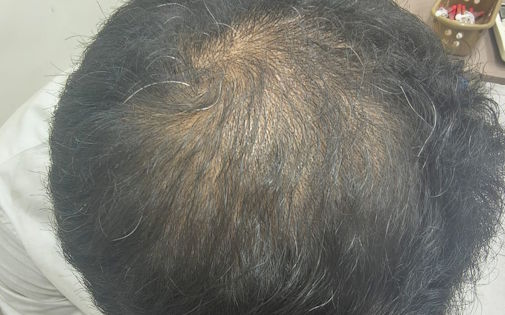
You followed the treatment.
You took the medicines regularly.
You changed your hair care routine.
And yet, the question remains:
“Why am I still losing hair even after treatment?”
This concern is extremely common and emotionally draining. The truth is—hair fall doesn’t always stop just because treatment has started. In many cases, hidden causes continue to trigger hair loss, even when medicines are being used correctly.
Let’s understand the real reasons in a clear, honest, medical way.
1. The Root Cause Was Never Fully Identified
Hair fall is not a single condition. Treating hair loss without identifying the exact cause is one of the biggest reasons results don’t show.
Common types of hair loss include:
- Telogen Effluvium
- Androgenetic (genetic) Alopecia
- Alopecia Areata
- Nutritional deficiency–related hair loss
- Hormonal hair loss
Each condition requires a different treatment plan. Without proper diagnosis, treatment may only work partially—or not at all.
2. Hidden Nutritional Deficiencies Slowing Recovery
Even if your diet seems healthy, internal deficiencies can continue to cause hair fall.
Common hidden deficiencies include:
- Low iron (ferritin)
- Vitamin D deficiency
- Vitamin B12 deficiency
- Zinc deficiency
- Low protein levels
These deficiencies often show no symptoms except hair loss, which is why blood tests are crucial when hair fall doesn’t stop.
3. Stress Is Actively Counteracting Your Treatment
Stress plays a major role in ongoing hair loss.
Chronic stress:
- Pushes hair into the shedding phase
- Increases cortisol levels
- Reduces scalp blood circulation
- Delays hair regrowth
Even the best treatment can struggle to work if stress, anxiety, poor sleep, or emotional trauma is not addressed.
4. Undiagnosed Hormonal Imbalances
Hair loss that continues despite treatment may be linked to:
- Thyroid disorders
- PCOS
- Post-pregnancy hormonal changes
- Menopause
- Elevated male hormones (androgens)
Unless hormonal causes are identified and treated alongside hair therapy, hair fall may continue.
5. Inconsistent Use of Medication
Many patients unintentionally delay results by:
- Stopping treatment too early
- Skipping doses
- Using products irregularly
- Expecting instant results
Hair grows in cycles. Visible improvement takes 3–6 months, and density improvement can take 6–12 months. Patience and consistency are essential.
6. Poor Scalp Health Is Often Overlooked
Hair grows from the scalp, not the bottle.
Hidden scalp issues include:
- Dandruff or seborrheic dermatitis
- Fungal infections
- Scalp inflammation
- Excess oil buildup
- Poor circulation
If scalp conditions are untreated, hair regrowth remains weak—even with treatment.
7. Genetic Hair Loss Needs Maintenance, Not Short-Term Fixes
If your hair loss is genetic, treatment helps control and slow progression, not permanently cure it.
Stopping treatment often leads to renewed hair fall. Long-term management and realistic expectations are key.
8. Lifestyle Habits That Undo Progress
Your daily habits matter more than you think.
Ongoing hair loss can be triggered by:
- Crash dieting or meal skipping
- Poor sleep
- Smoking
- Excessive heat styling
- Tight hairstyles
- Lack of protein intake
Hair health reflects overall body health.
Pro Tips for Better Hair Recovery
✔ Identify the exact cause before changing treatments
✔ Do blood tests when hair fall persists
✔ Manage stress and sleep properly
✔ Be consistent and patient
✔ Avoid social-media-driven hair hacks
Common Mistakes Patients Make
❌ Self-medicating without diagnosis
❌ Switching treatments too frequently
❌ Expecting results in a few weeks
❌ Ignoring stress, nutrition, and scalp care
❌ Stopping treatment once hair fall reduces
When Should You See a Dermatologist Again?
Consult a dermatologist if:
- Hair fall continues beyond 3–4 months of treatment
- Hair thinning is increasing
- You notice patchy hair loss
- You have scalp itching or pain
- Hair loss is affecting your confidence
FAQs
Is it normal to lose hair after starting treatment?
Yes. Initial shedding can happen as weak hairs fall and new growth begins.
Can stress cause hair fall even with treatment?
Yes. Stress is one of the most powerful hair fall triggers.
How long should hair treatment continue?
Usually 6–12 months, depending on the diagnosis.
Can hair grow back completely?
That depends on the cause and how early treatment begins.
Conclusion: Take the Right Step Before Hair Loss Worsens
If you’re losing hair even after treatment, it doesn’t mean nothing can be done—it means the underlying cause needs expert evaluation. Hair loss is a medical condition, and timely, personalised care makes a real difference.
If you’re looking for a trusted skin specialist and hair specialist in Mira Road and Mumbai, Dr. Safa Patrick at SkinHealth Clinic offers detailed diagnosis, advanced hair loss treatments, and honest guidance based on medical science. From identifying nutritional deficiencies and hormonal issues to managing genetic and stress-related hair loss, every treatment plan is tailored for long-term results.
Don’t wait until hair thinning becomes permanent.
Early consultation can help preserve and restore your hair health.📍 Visit SkinHealth Clinic, Mira Road , Mumbai.
👩⚕️ Consult Dr. Safa Patrick – Dermatologist & Hair Specialist
📞 Book your appointment today and take the first step toward healthier, stronger hair.