
Sunscreen for Children: Key Safety Tips Every Parent Should Know to Protect Delicate Skin.
November 11, 2025
Foods That Improve Skin Health (And Foods That Worsen Acne)
January 1, 2026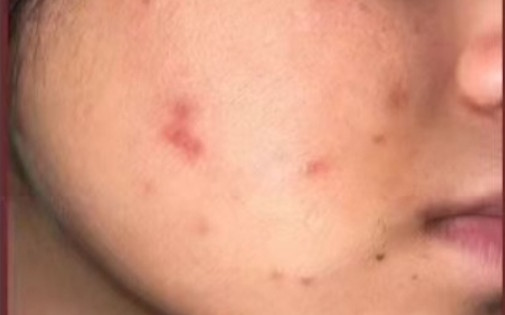
Introduction
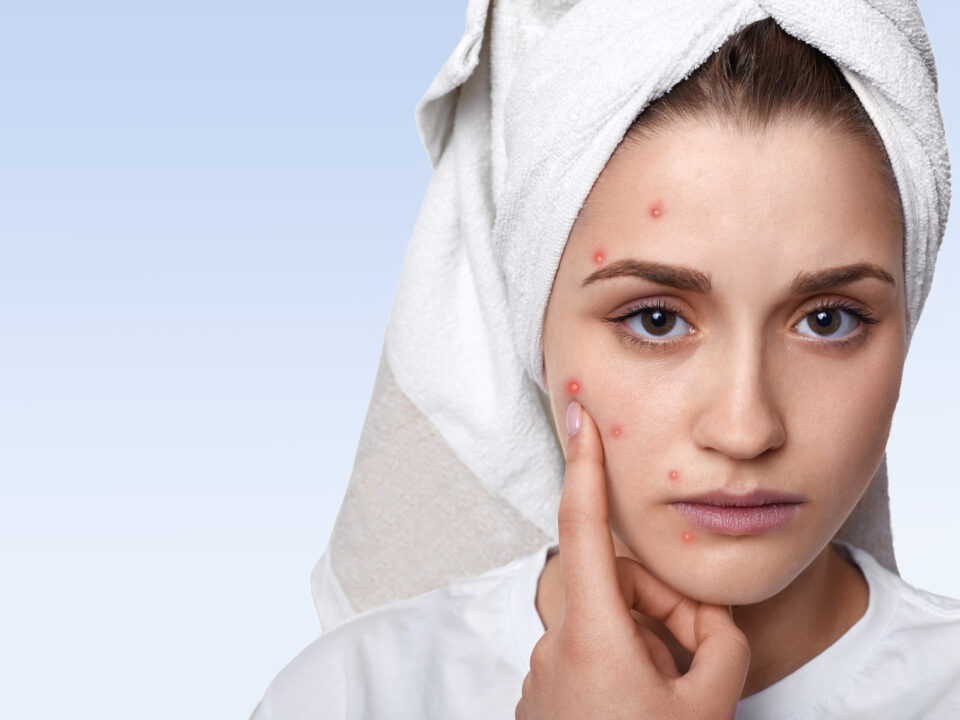
If you’re reading this, you’ve probably tried face washes, creams, home remedies, maybe even professional treatments — yet your acne still keeps coming back. And honestly, nothing feels more frustrating than waking up every morning, checking the mirror, and seeing new breakouts despite doing everything right.
As a dermatologist who sees patients every single day in Mira Road and Mumbai, I can tell you this — you are not alone. Acne is emotional, exhausting, and sometimes feels like a full-time job. But the good news is this: acne always has a reason. And once we identify your reason, the results finally start to make sense.
This guide will break down the real causes of stubborn acne and explain why treatment sometimes doesn’t work — and what you can do differently to finally see clear skin.
Understanding Why Acne Keeps Coming Back
Acne is not “just a skin issue.” It’s influenced by hormones, lifestyle, stress, genetics, and even how you sleep. That’s why a single cream or face wash can never cure it.
Here are the top reasons your acne isn’t going away: no sugar-coating, no generic advice — just what I explain to real patients at my clinic.
1. You’re Using Too Many Products at the Same Time
Most patients come after trying everything suggested on Instagram — exfoliants, serums, DIY remedies, and trending hacks.
But here’s the truth:
Layering too many products irritates your skin, triggering even more breakouts.
Typical signs you’re overdoing it:
- Redness
- Burning
- Tiny bumps
- Dry but still oily skin
Every time your barrier gets damaged, your acne flares again.
2. You Start Treatment… and Quit Too Soon
Acne treatment needs patience.
Most medical creams take:
- 2–4 weeks to show improvement
- 8–12 weeks for visible change
- 16 weeks for long-term clearing
But many people stop after 10 days because:
- Skin purges
- Acne looks “worse”
- Skin feels dry
This is completely normal.
If you stop early, acne resets back to Stage 1.
3. Your Acne Is Hormonal — And Creams Alone Can’t Fix It
Working women, teenagers, brides-to-be — almost 60% of them suffer from hormonal acne.
Signs of hormonal acne:
- Breakouts around jawline and chin
- Pimples that come before periods
- Sudden flare-ups during stress
- Deep, painful cysts
No amount of face wash can fix this.
You need a dermatologist’s hormonal evaluation — and this is where meeting the best dermatologist in Mira Road Mumbai truly makes a difference.
Once hormones stabilize, skin finally heals.
4. Your Diet Is Triggering Your Acne
Acne-causing foods include:
- Excess dairy
- Whey protein
- Oily snacks
- Sugary foods
- Frequent tea/coffee
- Chocolates
Even if your treatment is perfect, diet can silently sabotage progress.
This is one of the most common things I correct at The Skin Health Clinic.
5. Stress — The Secret Acne Trigger No One Talks About
Late nights. Work pressure. Relationship stress. Postpartum changes. Long working hours.
Your skin listens to all of it.
Stress increases cortisol, and cortisol increases oil production — giving you flare-ups that no product can control unless stress is managed.
Most young professionals in Mumbai face this, which is why lifestyle counselling is a part of every acne plan at my clinic.
6. You’re Using the Wrong Treatment for Your Type of Acne
Every acne is different:
- Whiteheads
- Blackheads
- Papules
- Cysts
- Nodules
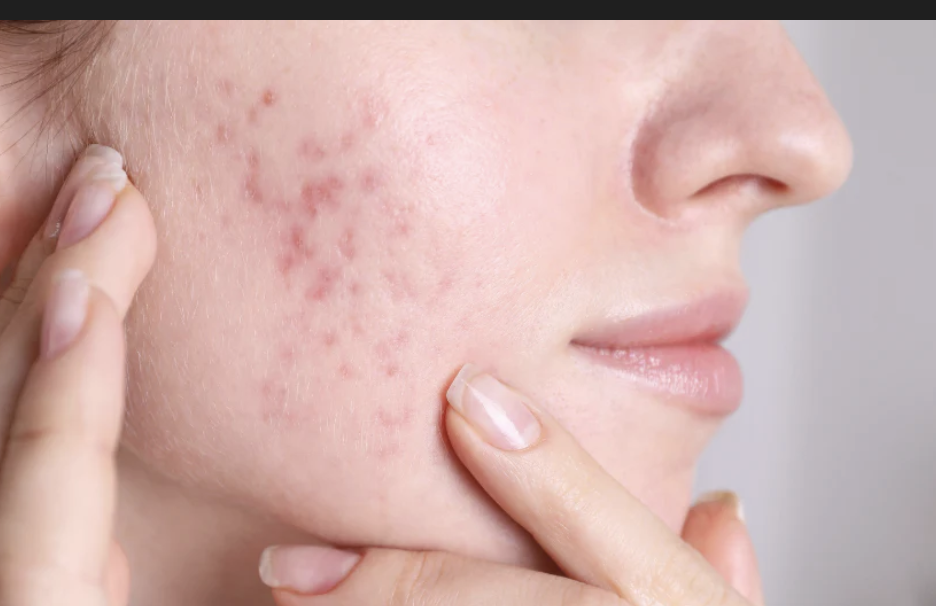
- Acne scars
Yet most people use the same type of treatment for all.
If your treatment doesn’t match the acne type you actually have — it won’t work.
A dermatologist evaluates:
- oil levels
- skin thickness
- sensitivity
- hormonal pattern
- lifestyle
- previous product damage
This is why personalized plans work better than random trials.
7. Your Skin Barrier Is Weak
If your skin feels:
- sensitive
- red
- flaky
- itchy
- easily irritated
Then your barrier is compromised.
With a damaged barrier, even the best acne cream will burn instead of heal.
Before treating acne, we first rebuild the barrier — something your dermatologist always checks during consultation.
8. You Expect Overnight Results
This one is important. Acne is not a one-week problem.
Clear skin is a journey.
If a product promises overnight miracles — it’s lying.
Real, healthy improvement requires:
- consistency
- correct dosage
- regular follow-ups
- guidance from a dermatologist
I always remind patients — results may be slow, but they are steady and long-lasting.
9. You Need Procedures — Not Just Creams
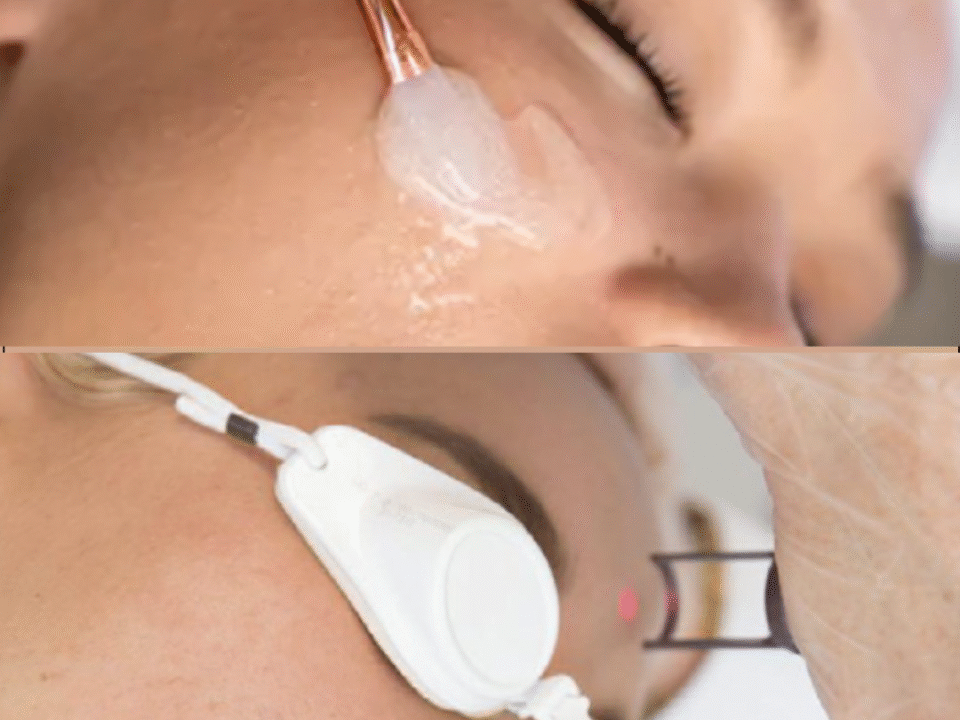
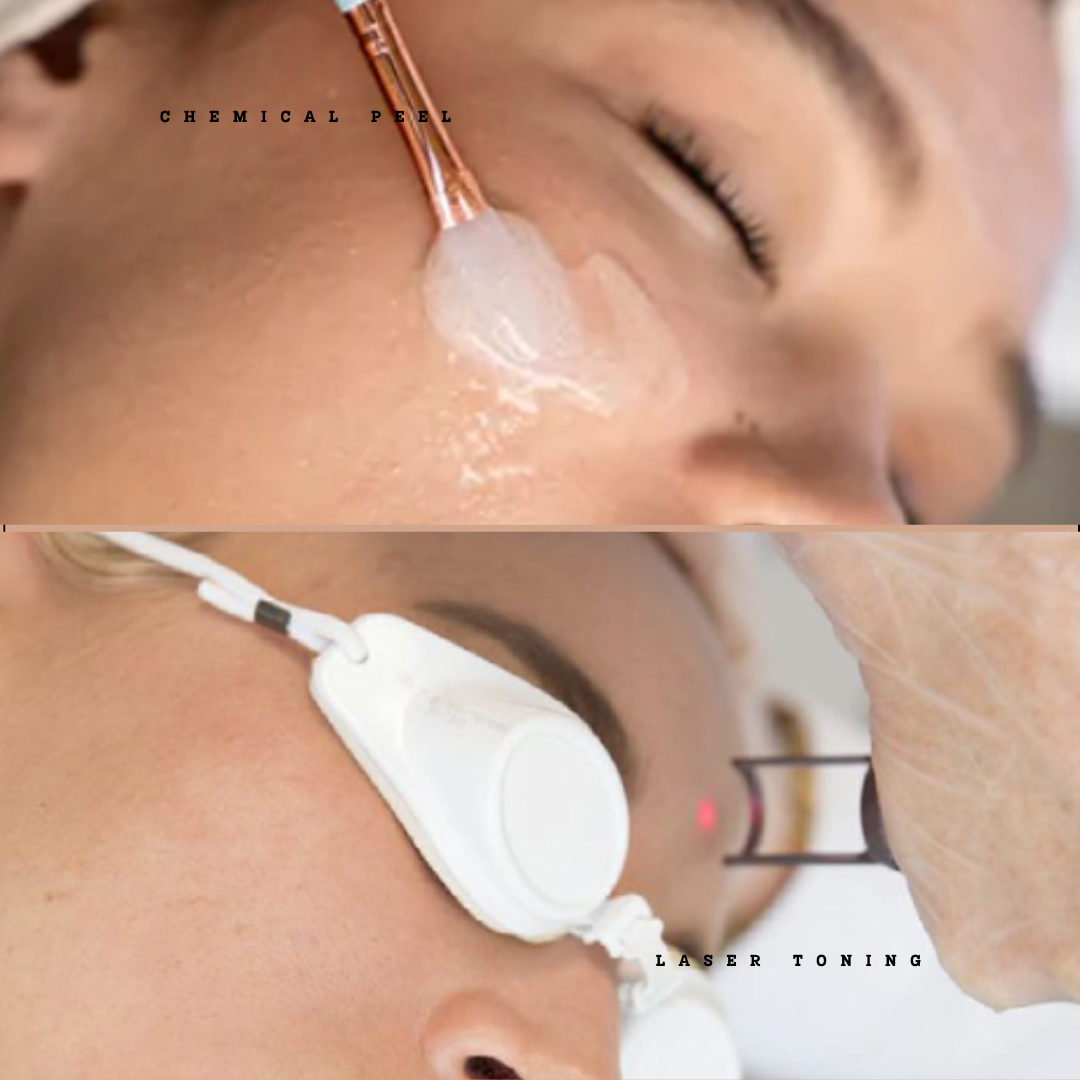
Some acne types simply need treatments like:
- chemical peels
- extraction therapy
- medifacials
- lasers
- microneedling
- acne scar treatment
If you have old marks or pits, creams won’t fix them.
Most people in Mira Road come for acne scar treatment, because it genuinely transforms skin texture in ways home care cannot.
10. You’re Sleeping With Hair Products on Your Face
Oil from your hair, conditioners, serums, and gels slide onto your cheeks when you sleep — causing cheek acne, which is extremely common.
Switching to clean pillowcases and tying your hair up makes a huge difference.
11. Underlying Medical Conditions
Sometimes acne persists due to:
- PCOS
- high testosterone
- thyroid issues
- insulin resistance
These conditions need proper diagnosis — not random creams.
How to Finally Get Clear Skin: Dermatologist’s Approach
A good dermatologist never treats acne blindly.
The right approach includes:
- Determining your acne type
- Checking lifestyle triggers
- Understanding hormones
- Fixing your skin barrier
- Creating a personalized plan
- Adding procedures when needed
- Tracking progress every 3–4 weeks
This is how real, long-lasting results happen.
Common Mistakes to Avoid
- Using toothpaste or haldi on pimples
- Over-exfoliating
- Switching products every week
- Taking advice from social media
- Popping pimples
- Not wearing sunscreen
- Ignoring your diet
- Sleeping with makeup on
These mistakes delay your results by months.
Pro Tips for Clear Skin
- Keep routines simple
- Use non-comedogenic products
- Wash your pillowcases twice a week
- Avoid touching your face
- Drink water regularly
- Maintain a stress-reducing activity
- Follow your treatment consistently
FAQs
1. Why is my acne getting worse even with treatment?
Because your skin may be purging or your treatment is mismatched to your acne type.
2. How long does acne treatment take to work?
Usually 8–12 weeks for visible change, depending on severity.
3. Will acne scars go away?
Yes — with treatments like microneedling, laser therapy, and chemical peels available at clinics offering acne scar treatment in Mira Road.
4. Why do I get acne during periods?
Due to hormonal fluctuations — very common in teens and working women.
5. Do I need to see a dermatologist?
Yes, especially if acne is recurring, painful, or leaving scars.
Conclusion
Acne isn’t stubborn — it’s misunderstood.
When we stop treating it randomly and start understanding its root cause, the skin finally begins to heal. If your acne hasn’t improved despite trying multiple things, don’t lose hope. You simply need the right diagnosis and a customized plan.
For anyone struggling with persistent breakouts or acne scars, visiting an expert dermatologist makes all the difference. At The Skin Health Clinic in Mira Road, we help patients restore their confidence with personalized acne and scar treatments — gentle, effective, and designed for real, long-lasting clarity.
Clear skin is possible. And it starts with understanding your skin, not fighting it.